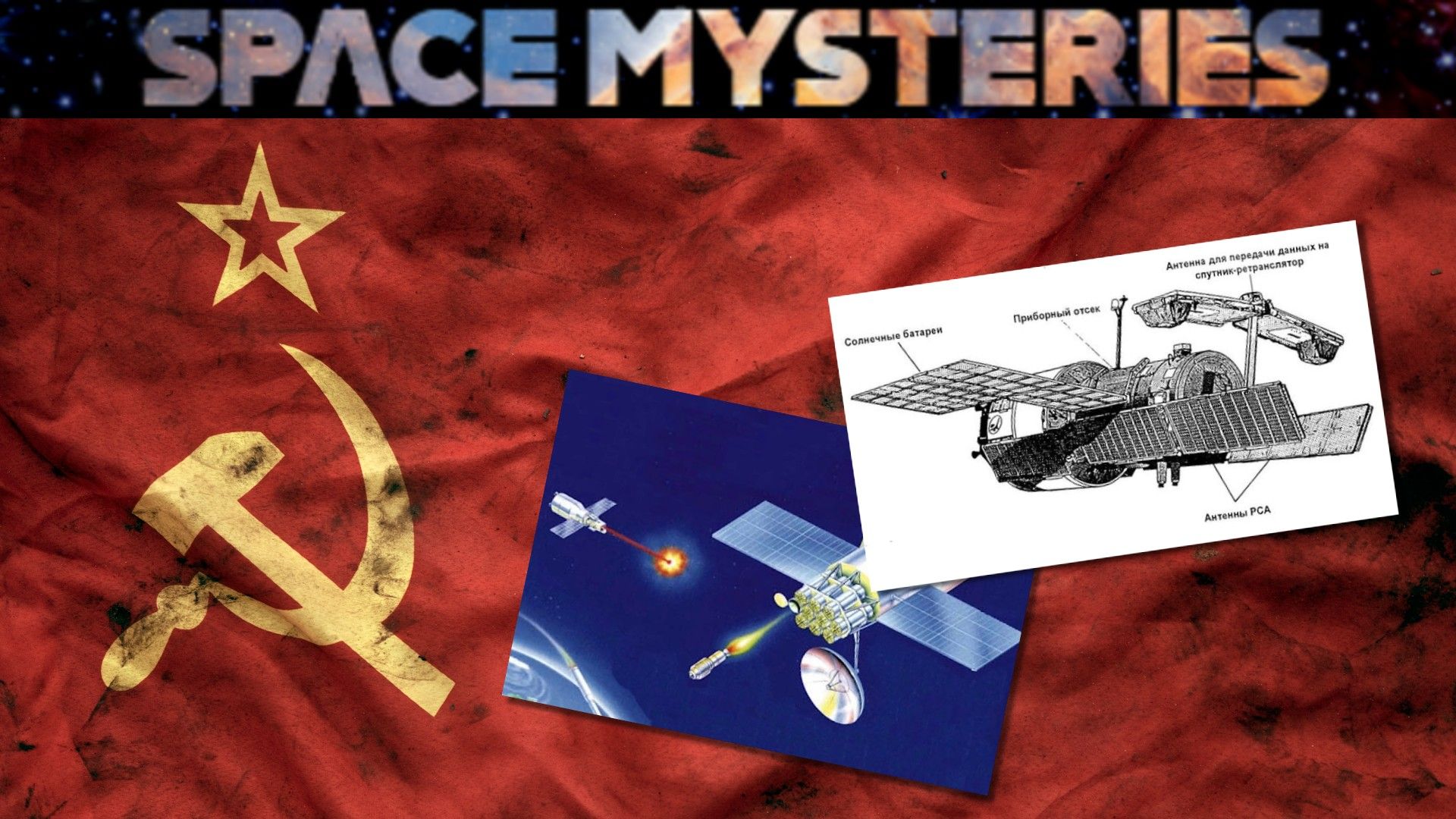
Military officials in the U.S. and other countries have increasingly highlighted the risks of impending space conflict. This concern is not only a modern issue but is rooted in a complex history, particularly during the Cold War, when the Soviet Union experimented with military technology for space. One notable endeavor involved a rapid-fire cannon mounted on a secret military space station, part of the Soviet Almaz project aimed at enhancing reconnaissance capabilities.
Soviet officials feared the U.S. was developing spacecraft capable of disabling their sensitive satellites. Consequently, they pursued various defense systems, including the infamous “space cannon.” Historically, this cannon, known to historians like Anatoly Zak, remained a mystery until recent military broadcasts provided clearer images and revealed its design.
Developed by Aleksandr Nudelman under the KB Tochmash design bureau, the cannon drew inspiration from earlier aircraft gun technologies. Specifications vary, but it’s believed to be either a modified 23-millimeter or a 14.5-millimeter cannon capable of firing at incredibly high rates. Despite successful ground tests, challenges arose in orbital firing due to microgravity effects and the recoil on the space station’s structure.
The cannon was said to have fired in space only once, on January 24, 1975, after the crew’s return, as part of a planned deorbit experiment. Initial reports suggest around 20 rounds were fired, with projectiles burning up upon reentry to Earth’s atmosphere. Today, much about the efficacy and results of this test remains unknown, leading experts to believe that the Soviet military ultimately favored reconnaissance satellites over the impracticality of space artillery. This story remains a unique instance of Cold War military innovation, representing the first instance of a conventional firearm used in orbit.


