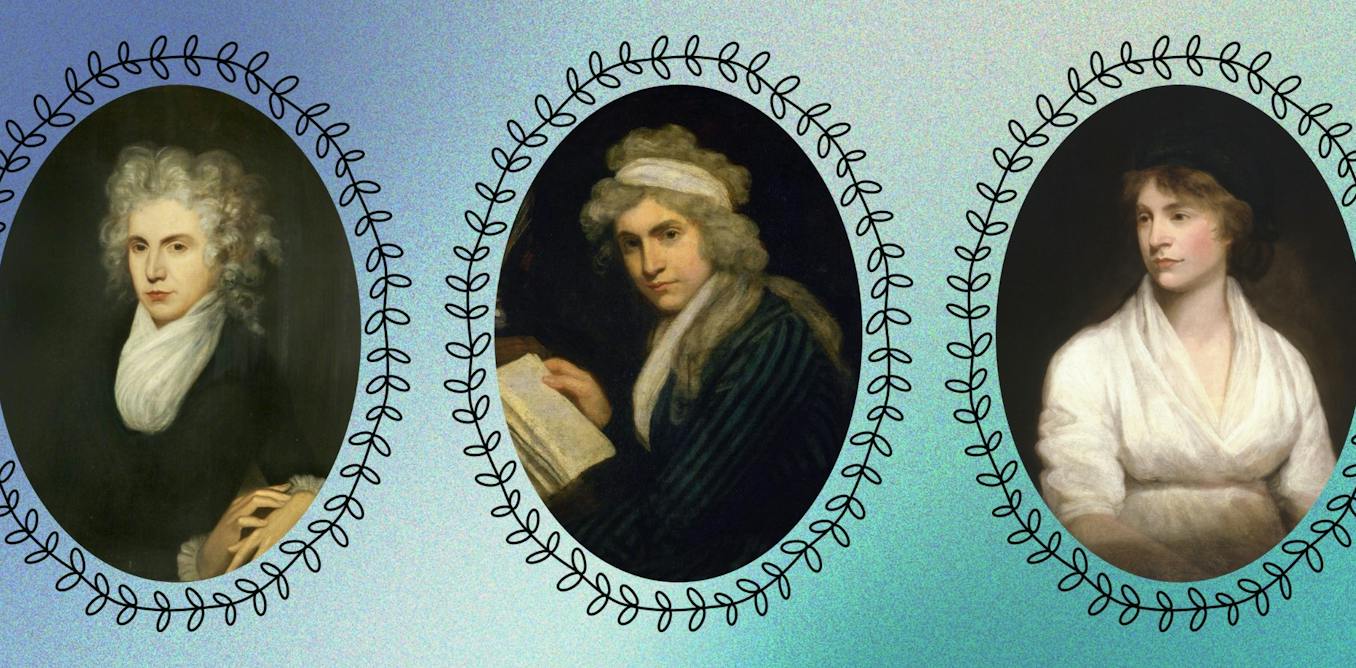
Exploring Mary Wollstonecraft: More Than a Feminist Icon
In his biography of Mary Wollstonecraft, her husband William Godwin noted that her travel writing possessed a charm that could enamor readers. Yet, in modern discourse, Wollstonecraft is predominantly recognized for her seminal work, A Vindication of the Rights of Woman (1792), a cornerstone of feminist literature. Focusing solely on this text oversimplifies Wollstonecraft’s expansive legacy as a radical and versatile author, whose explorations spanned across various genres, including fiction, travel writing, children’s literature, literary criticism, and political essays.
The Novelist
Wollstonecraft harnessed the power of narrative to convey political messages. Literature professor Claudia L. Johnson emphasizes that novels bookend Wollstonecraft’s literary journey. In the preface to Mary: A Fiction (1788), she aimed to illustrate the “mind of a woman who has thinking powers,” portraying intense relationships that emphasize female intimacy and challenge conventional domestic expectations.
This trend continued in her unfinished novel, Maria: or, The Wrongs of Woman (1798), where themes of marital oppression, parental neglect, and sexual violence surface. The intertwined fates of Maria, imprisoned and tortured, and Jemima, who has endured profound personal loss, create a narrative of radical class solidarity.
The Travel Writer
Among Wollstonecraft’s works, Letters Written During a Short Residence in Sweden, Norway and Denmark (1798) gained the most popularity during her lifetime. Written during a tumultuous period marked by personal crises, this text diverges from her usual rational tone, embracing emotional depth and self-exploration. In it, she critiques societal structures while reflecting on her personal growth, signifying a distinct female perspective that would later influence Romantic poets.
The Children’s Author
Wollstonecraft’s commitment to education, especially for women, is evident in Thoughts on the Education of Daughters (1787) and Original Stories from Real Life (1791). The latter, illustrated by William Blake, chronicles the moral development of two young girls under the guidance of a maternal figure, reinforcing the belief that education shapes self-discipline and moral awareness. Further unfinished works delve into women’s health and childcare, advocating for acquired skills over innate maternal instincts.
The Reviewer, Correspondent, and Translator
Wollstonecraft was active in contemporary literary criticism, contributing to The Analytical Review and engaging with her peers through extensive correspondence. Her letters reveal her complexity and her insights into motherhood, morality, and intellectual life. Additionally, her translations from various European languages broadened her impact, ensuring that her ideas contributed to the feminist discourse across borders.
Conclusion
Mary Wollstonecraft was more than a singular voice in feminist literature; she was a multifaceted writer engaged in various genres and themes that intersected personal experience with broader societal critiques. Her legacy, encapsulated in novels, travel writing, children’s literature, and critical essays, lays foundational stones for feminist thought and continues to resonate today.