Discovery of Ancient Crater Under Oklahoma
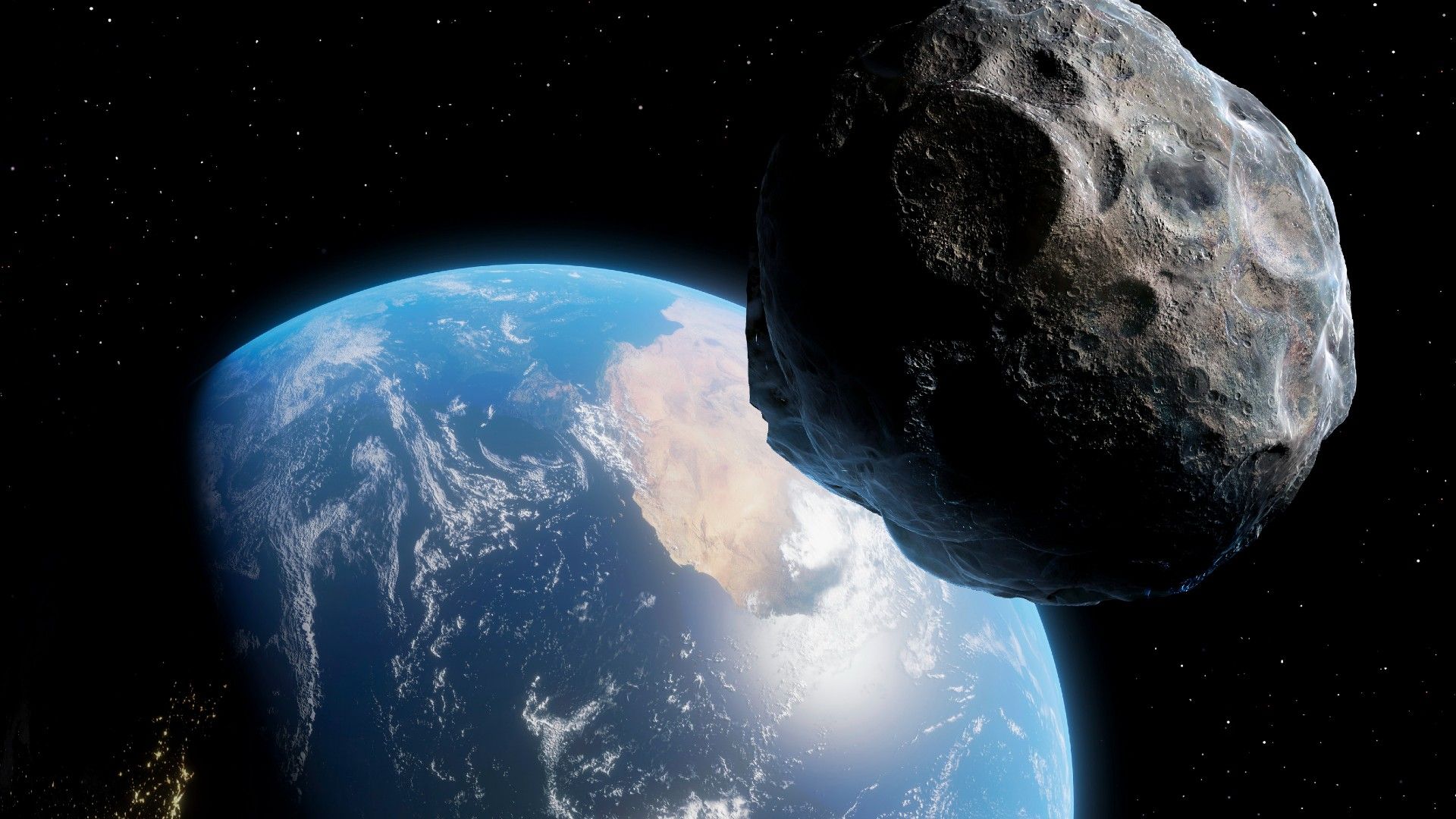
A significant find beneath Ames, Oklahoma, reveals that an ancient crater is nearly 100 million years younger than previously believed. This adjustment links it to a major mass extinction event in Earth’s history.
Crater Details
- Diameter: Approximately 10 miles (16 kilometers).
- Buried Depth: 9,000 feet (2.7 kilometers) of sedimentary rock.
- Discovery: First identified through seismic readings in 1991.
Age Reassessment
Originally, the crater’s age was estimated based on fossilized conodont teeth, dating back to the Ordovician period (around 467.5 million years ago). However, a research team led by Elizabeth Catlos from the University of Texas at Austin has revised this estimate to 370 million years, placing the crater’s formation during the Late Devonian mass extinction.
“We’re basically taking a major pawn out of the Ordovician Meteor Event and dumping it into the Frasnian–Famennian event,” Catlos stated.
Methodology Behind New Findings
The age determination relies on zircon crystals found in the impact area. These crystals allow geologists to measure the ratio of uranium to lead; over time, uranium decays into lead, indicating the crystal’s age.
- Analysis Techniques: Used cathodoluminescence and electron backscatter diffraction to study the crystals.
Impact Background
While the crater’s impact itself may not have been a mass extinction trigger, it could have contributed to the extinction dynamics alongside other factors like reduced oxygen levels and supervolcanic activity.
Geological Context: When the impact occurred, Oklahoma was under a shallow sea. The subsequent sedimentation led to the formation of the 1.6 miles of rock covering the crater today. Interestingly, the impact fractured the crust, allowing oil and gas to seep through, resulting in significant production from wells drilled in the area.
Future Implications
Co-researcher Danny Stockli emphasized the importance of zircon crystals in dating crater formation accurately, urging more research on similar sites to better understand Earth’s geological timeline.
Published in: The findings were detailed in Meteoritics and Planetary Science in July.


