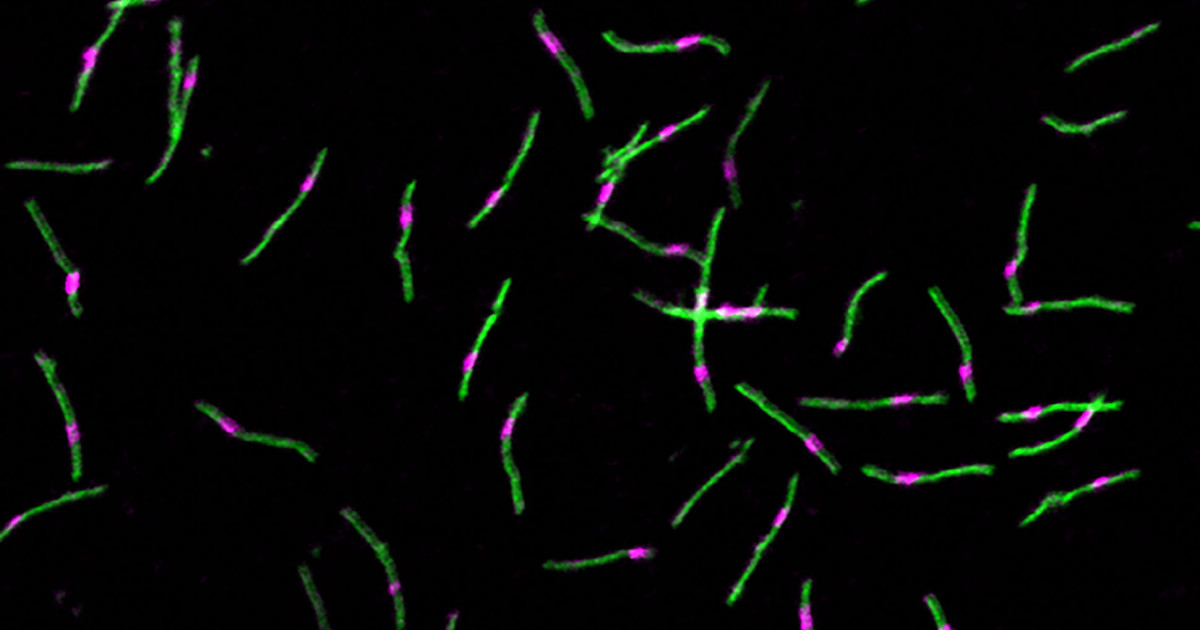
Northwestern University scientists have created remarkably long, precisely patterned molecular threads known as supramolecular polymers, which have potential applications in advanced materials and regenerative medicine. These polymers, built from self-assembling molecules, can enhance brain cell activity and promote neuron growth.
Key Findings:
- Size and Control: The polymers can exceed the size of a cell and are significantly larger than conventional polymers, yet their lengths and structures can be precisely controlled.
- Biological Effects: In cell culture studies, these polymers stimulated neuron growth and enhanced synapse formation without requiring added biological signals, indicating that the material itself can interact beneficially with cells.
- Innovative Polymerization: The research details a new mechanism called “self-capping supramolecular polymerization” that allows scientists to dictate the growth and organization of these polymers by using novel molecular designs.
Applications:
- Regenerative Medicine: The precise organization and bioactivity of these polymers could lead to new approaches for developing biomaterials that aid in neuron repair and regeneration.
- Materials Design: The study opens doors for creating advanced materials with specific chemical properties tailored for a variety of applications.
Significance:
Lead researcher Samuel I. Stupp emphasizes the breakthrough nature of these structures, suggesting they could fundamentally change how materials interact with biological systems. The ability to create long molecular structures with various properties offers exciting prospects for future technological innovations in biomedicine and material science.
The full study is published in Science and highlights the potential for these polymers to revolutionize both chemistry and biology, paving the way for new discoveries.


