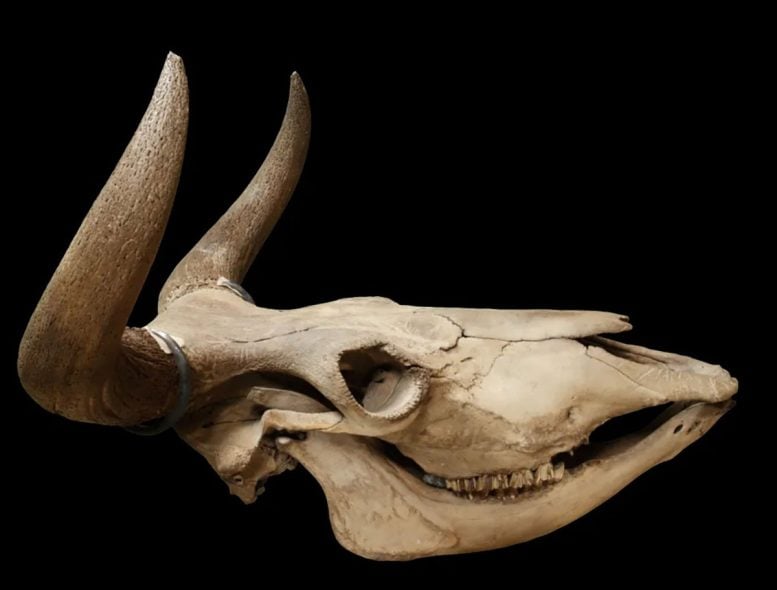
The Extinction of Aurochs in Scandinavia: Lessons for Conservation
Overview
The aurochs, a wild ancestor of modern cattle, once roamed vast areas of Europe, Asia, and northern Africa. Their extinction in Scandinavia happened long before their global disappearance, and recent research sheds light on the causes behind this early loss.
Key Findings
-
Multiple Factors in Extinction:
- While hunting significantly reduced the Swedish auroch population, other factors contributed to their decline. Changes in habitat—such as the transformation of open landscapes into dense forests—played a crucial role as well.
-
Genetic Diversity and Bottlenecks:
- A population bottleneck occurred as aurochs colonized Scandinavia around 11,700 years ago, leading to diminished genetic diversity. This loss of diversity made them more vulnerable to extinction.
-
Isolation Timeline:
- Contrary to previous beliefs that Scandinavian aurochs became isolated over 10,000 years ago, genetic evidence indicates they remained in contact with mainland populations until about 8,000 years ago, when land bridges were submerged.
-
Conservation Implications:
- The research highlights the need for comprehensive conservation strategies that address multiple stressors. Simply curbing hunting may not suffice; maintaining interconnected habitats could prevent future extinctions.
Historical Context
Scandinavia lost its aurochs much earlier than other regions, with the last known population disappearing from Poland in the 17th century.
Conclusion
This study emphasizes that the decline of a species is rarely due to a single cause. Effective conservation efforts must consider a range of factors, including habitat connectivity and genetic diversity, to protect vulnerable species effectively.
Reference
- Rosengren, E., et al. (2026). “The immigration history and extinction dynamics of the Scandinavian aurochs (Bos primigenius)”. The Holocene. DOI: 10.1177/09596836261477271.
By understanding the historical patterns of extinction in species like the aurochs, conservationists can form better strategies to safeguard biodiversity today.