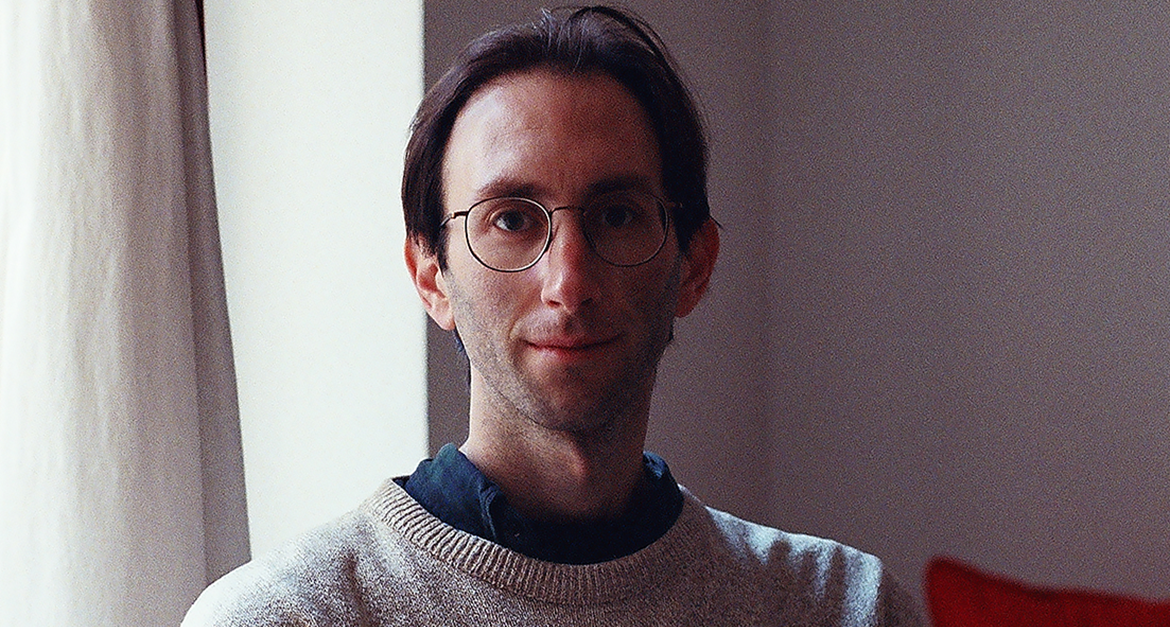
Interview with Ted Fendt About Foreign Travel
Overview of Ted Fendt’s Cinematic Style:
Ted Fendt’s films are known for their esoteric qualities, blending analog film aesthetics with themes of intellectual discourse and literary exploration. His latest film, Foreign Travel, follows Leonie, a translator from Berlin, as she navigates her professional and personal life, dealing with the complexities of language and relationships.
Title Significance
Joseph Dimacchia: The title Foreign Travel suggests movement through language rather than physical journeys. What does it signify for you?
Ted Fendt: Titles have become a challenge for me over the years. Foreign Travel relates to Leonie’s past and future journeys, particularly through language and migration. It evokes multiple layers of meaning, including character backgrounds and literary references.
Literature’s Role
JD: The film places significant emphasis on Anna Maria Ortese’s work. How does her focus on inexpression inform your cinematic choices?
TF: I believe in leaving aspects of reality offscreen, allowing viewers to fill in blanks about characters’ lives. Through the book discussions in the film, I aim to highlight characters’ emotional depths without needing explicit exposition.
Realism in Film
JD: Your films often focus on intellectual dialogue while not showcasing characters’ jobs directly. What’s your approach to depicting reality versus interpretation?
TF: The film offers a space to engage with the characters’ lives beyond their work. Focusing on non-labor scenarios allows for nuances in character development and reflects personal experiences.
Film Technique and Indexicality
JD: You prefer shooting on film. Is it a stylistic choice to maintain that connection to reality?
TF: Yes, I value the tactile quality and limitations of film, which provide structure during production. The physical properties of film add a depth that’s often lost in digital, which can be too manipulable.
Creative Process
JD: How much of the film was planned versus left to chance?
TF: The script was finalized shortly before we shot, allowing spontaneous edits based on what felt authentic. Filming over a year meant the project evolved organically, leading to a more cohesive vision.
Personal Connection and Audience Engagement
JD: The film incorporates autobiographical elements, intertwining personal experiences with broader themes. How do you balance personal narrative with character development?
TF: Character experiences reflect my interests and psychology, creating a layered narrative that resonates. The book clubs in the film serve as a bridge for engaging themes while enhancing character relationships.
Concluding Thoughts
JD: Your work resists spectacle in favor of quiet intensity. How do you think this affects audience connection?
TF: I believe in the power of simplicity. A scene of mundane life can be spectacular in its honesty. I aim to deliver a cinematic experience that resonates emotionally, without over-reliance on artificial elements.
This conversation unveils Fendt’s philosophy on cinema, where language, personal experience, and deep engagement with film history converge, forming a unique lens through which he explores art and life.