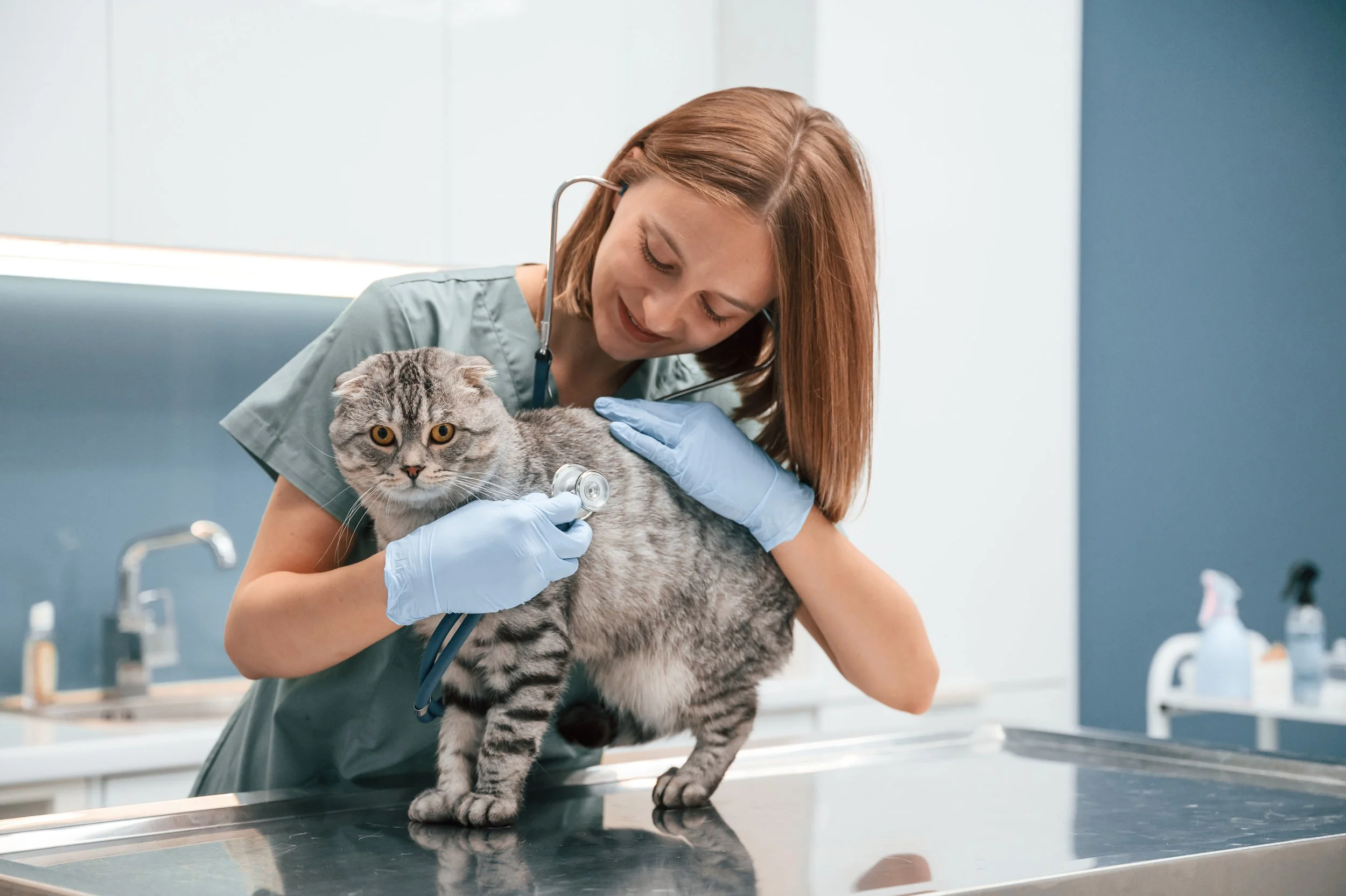
The provided excerpt presents insights from the American Veterinary Medical Association (AVMA) regarding trends in pet ownership, pet care spending, and veterinary practices in 2026. Here’s a summary of the key points:
Key Findings:
-
Decline in Pet Expenditures:
- The average American pet-owning household spent less on their pets, decreasing from $1,727 in 2025 to $1,478 in 2026, with veterinary services being a major expenditure.
-
Economic Considerations:
- Economic pressures and evolving consumer habits are changing how pet owners allocate their funds, indicating a need for veterinarians to communicate effectively about costs and care value.
-
Preventive Care Remains Key:
- Most pet owners prioritize preventive care, with about 82% of dog and cat owners citing it as a reason for their last vet visit. Regular check-ups are essential for building client relationships and identifying health issues early, especially as the pet population ages.
-
Diverse Pet Owning Demographics:
- Pet-owning households are varied, often consisting of multiple adults and pets. This diversity influences how veterinary services are tailored to meet different client needs.
-
Online Competition and Client Preferences:
- Despite the rise of online retailers, veterinary practices continue to be a primary source for pet medications. However, convenience is increasingly important, suggesting that practices should enhance access to services.
-
Shift in Pet Ownership Trends:
- With the cat population growing and the dynamics of pet ownership changing, there’s a need for veterinary practices to adapt to these shifts and meet the evolving expectations of pet owners.
-
Importance of Client Education:
- Educating clients on potential health risks, particularly for cats, can improve veterinary attendance even when pets appear healthy.
Strategic Recommendations for Veterinary Practices:
- Enhance Convenience: Implement online services, home delivery, and digital communication to align with clients’ convenience needs.
- Focus on Preventive Care: Place an emphasis on the long-term benefits of preventive care and wellness protocols.
- Tailor Services: Understand the unique demographics of your community to better cater services to the varying needs of pet owners.
- Build Relationships: Foster strong connections with clients through transparent communication and by addressing individual financial considerations.
Conclusion:
In light of the findings from the 2026 AVMA data, veterinary practices should adapt their services and communication strategies to better meet the needs of a diverse and changing client base, ultimately ensuring that both pets and their owners receive comprehensive and accessible care.
For further details, the original information can be accessed through the AVMA resources linked in the text.