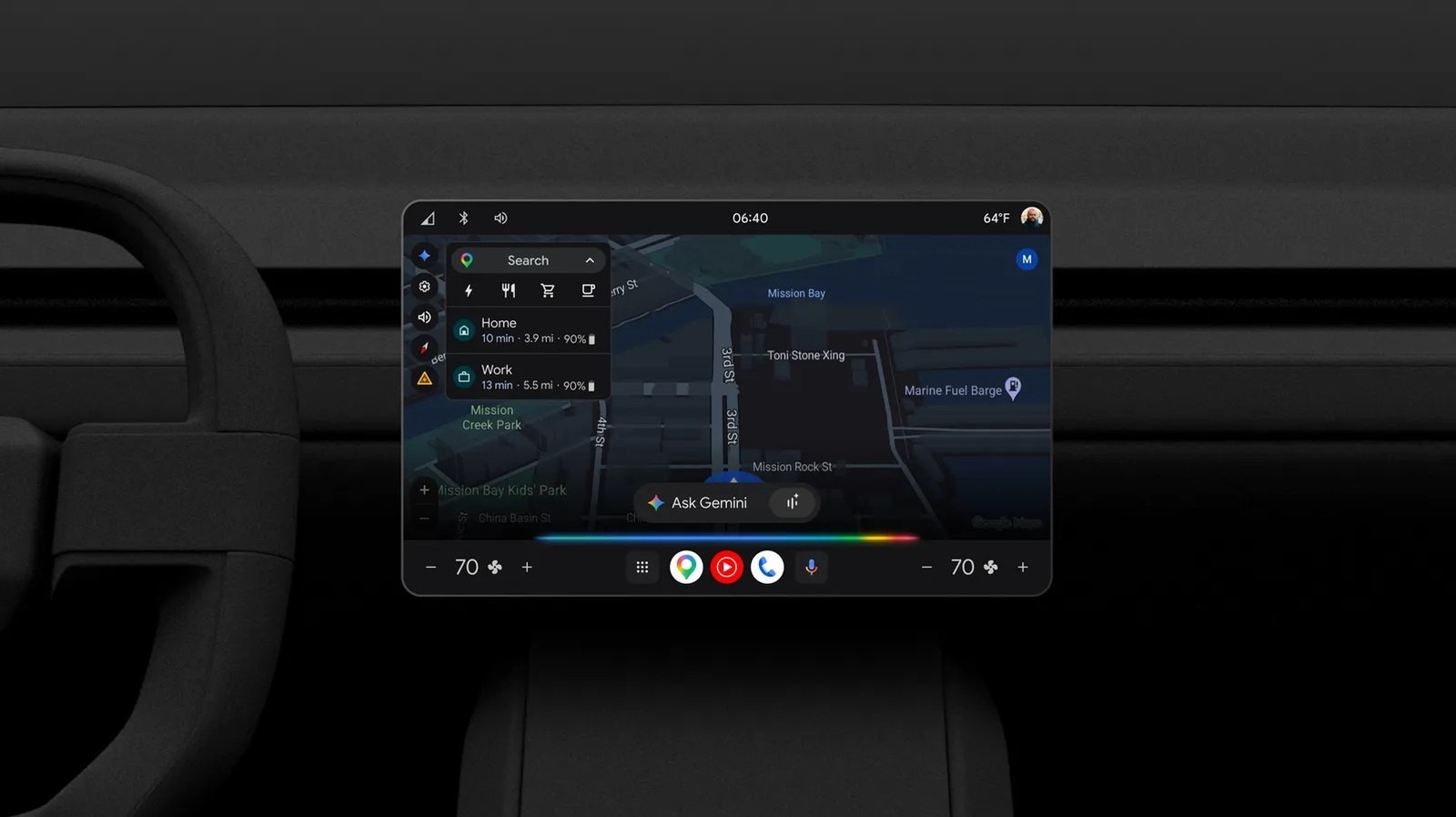
The article contrasts Google’s two infotainment systems, Android Automotive and Google Built-in, while discussing the current shift of car manufacturers toward integrated software solutions over traditional phone mirroring options like Apple CarPlay and Android Auto.
Key Points:
-
Transition in Infotainment Systems:
- Many manufacturers are moving to native systems for better integration and user experience.
- Google supports this shift with its Android Automotive and Google Built-in systems.
-
Android Automotive:
- A full-stack solution that manages vehicle functions like climate control and instrument clusters.
- Highly customizable for manufacturers, allowing them to create tailored user experiences.
- Some brands, like Rivian, opt not to highlight Google’s branding in their vehicles.
-
Google Built-in:
- A suite of applications licensed by manufacturers, granting access to services like Google Maps and the Play Store.
- Current brands using Google Built-in include Honda, Volvo, Chevy, and Ford.
-
AI Integration:
- Google is enhancing its in-car technology with AI features, notably through its Gemini assistant, which introduces voice-activated controls and advanced navigation capabilities.
- This assistant can interact with vehicle systems and provide real-time information.
-
Manufacturers’ Approaches:
- Various manufacturers have different plans for AI; some, like Ford and Rivian, are developing their own systems, while others like GM are combining Google’s technology with proprietary developments.
Conclusion:
The article emphasizes the ongoing evolution of in-car technology, where traditional infotainment models are being challenged by more integrated and AI-driven solutions, reshaping the driving experience and how automotive brands engage with their customers.

