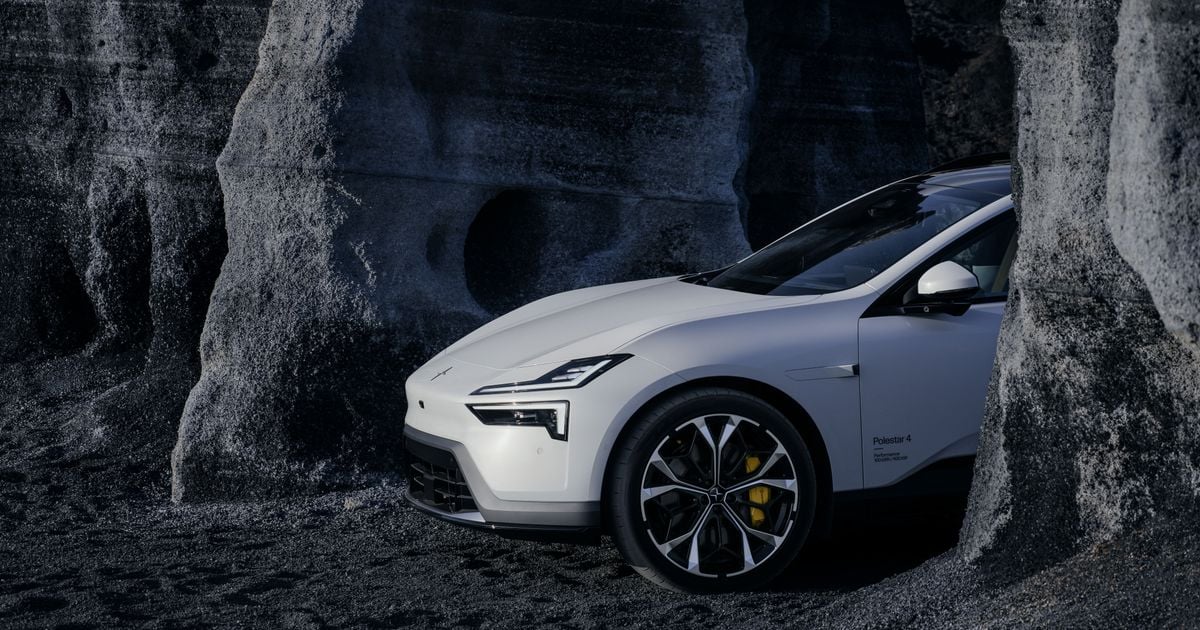
Polestar is making strides toward achieving a carbon-neutral car by 2035, with lithium iron phosphate (LFP) batteries playing a key role in this mission. Fredrika Klarén, the company’s head of sustainability, discussed this focus during the launch of the Polestar 4 SUV.
Key Points:
-
Battery Technology: LFP batteries are being considered due to their potential for climate-neutral production. Unlike current nickel manganese cobalt (NMC) batteries, LFP batteries can utilize materials like phosphor sourced from wastewater, and iron from recycled metals.
-
Alternative Materials: Alongside LFP batteries, Polestar is also looking to increase the use of real metal interior trims for better recyclability and to incorporate bio-based materials for sustainability.
-
Sustainability Transparency: Polestar aims to be transparent about its carbon footprint through Life Cycle Assessments for each vehicle and is committed to responsible sourcing using blockchain and supplier audits.
-
Future Innovations: The brand is exploring materials that are fully bio-based to help capture carbon emissions and enhance climate neutrality.
-
Upcoming Models: Polestar is planning major launches, including a second-generation Polestar 2 next year and a new compact electric crossover, Polestar 7, in 2028.
The focus on LFP technology aligns with a broader trend in the automotive industry toward sustainable practices and materials, marking Polestar as a leader in this innovation space.