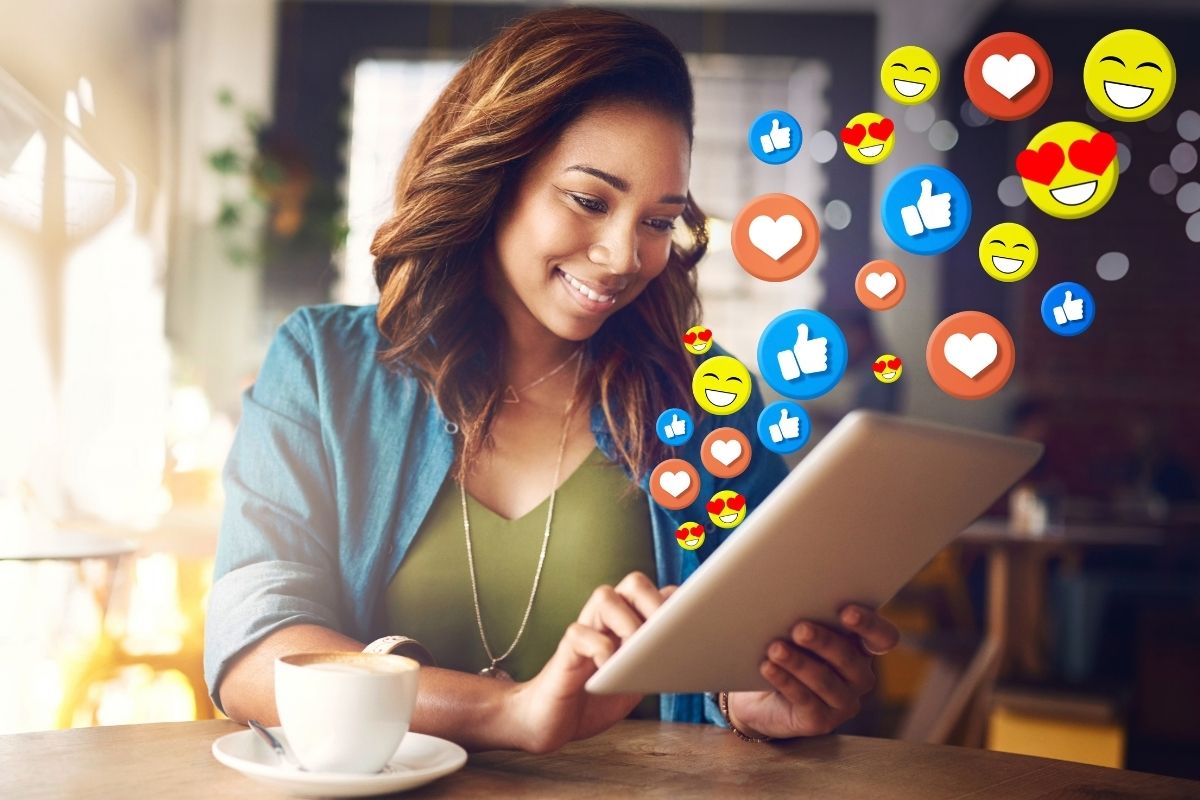
Emojis and Emotional Intelligence: What Your Texting Style Reveals About You
You probably use emojis without a second thought—a thumbs-up for confirming plans, a laughing face to soften sarcasm, or a heart in a goodnight message. While many of us don’t consider the significance behind these tiny icons, researchers from Indiana University took a closer look and uncovered some intriguing insights.
Your Texting Style Is More Revealing Than You Think
Text messaging has evolved significantly. While some of us write lengthy messages, others prefer quick, succinct replies—but nearly all of us enhance our texts with emojis. A study involving 320 adults aimed to determine whether emoji usage could reveal something about our emotional makeup. The findings were illuminating: the way we use emojis in private conversations can indeed signal traits like empathy and emotional intelligence.
Emojis, Empathy, and How You Connect
Participants who frequently incorporated emojis into their messages demonstrated a stronger ability to convey emotions and build connections. This isn’t just about adding a touch of cuteness; emojis facilitate deeper emotional expression and understanding.
Simon Dubé, the study’s author, notes that our virtual interactions often reflect deeper personality traits. While emojis can enhance personal communication, they are generally less common in professional contexts where more formal language prevails.
The study also connected emoji use to attachment styles. Those who regularly use emojis often possess a secure attachment style, indicating they have healthy emotional relationships. Conversely, individuals with anxious or avoidant styles are typically less expressive in their digital communications.
Gender Differences in Emoji Use
The research highlighted gender differences in emoji usage. Women tend to use emojis more frequently, especially in conversations with friends or family. Interestingly, their emoji use decreases when texting romantic partners, possibly indicating more cautious emotional engagement. Men’s emoji use, however, appears less differentiated by context, suggesting they have a less defined “emoji code.”
Key Takeaways for Communication
While you shouldn’t flood your group chats with smiley faces to prove your emotional depth, the study emphasizes that natural, spontaneous emoji use can be a sign of emotional comfort and connection. The emojis you use might reflect your capacity for empathy, the quality of your emotional bonds, and even aspects of your upbringing.
In short, a well-placed emoji can convey depth that goes beyond mere decoration, offering genuine insights into our emotional expression.


