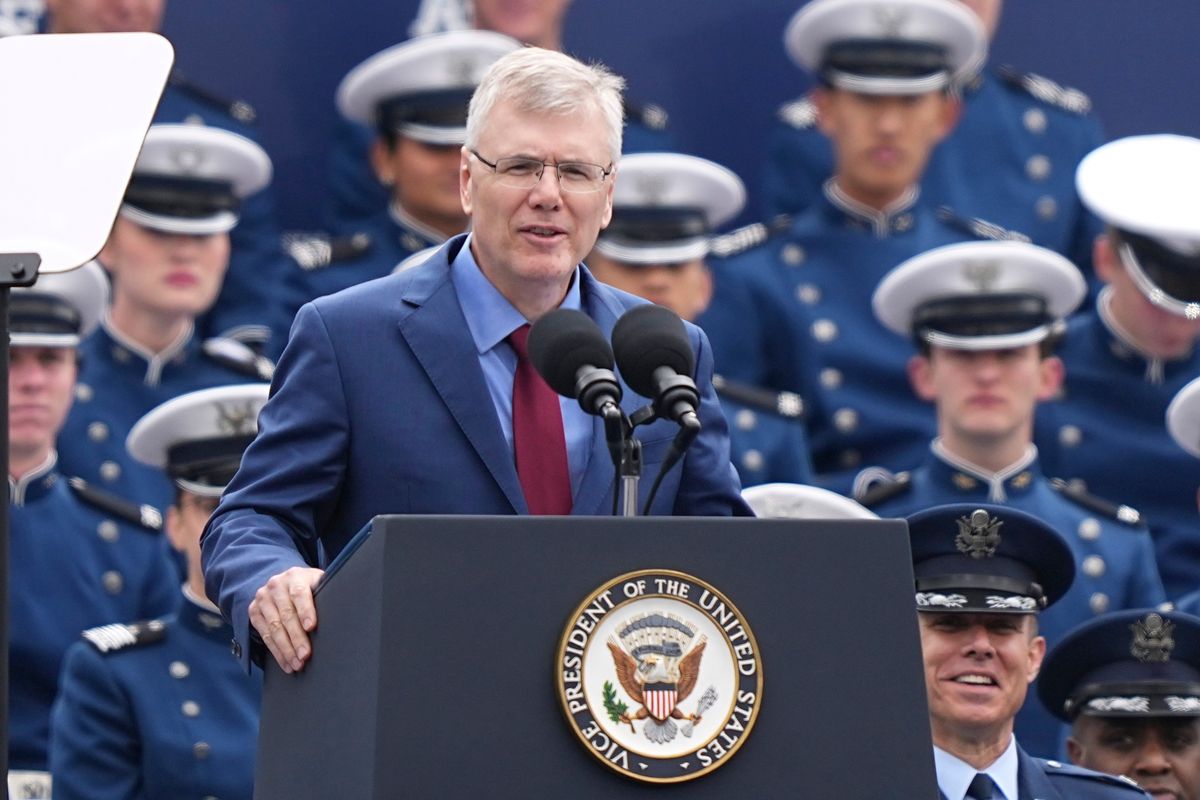
Overview of U.S. Space Weapons Deployment and International Regulations
Recent Developments:
- Air Force Secretary Troy Meink confirmed the U.S. has deployed weapons in space but did not specify their nature or capabilities at a recent defense conference.
Key Details:
- The 2026 Global Counterspace Capabilities Report outlines five categories of counterspace capabilities developed by multiple nations, including the U.S., Russia, and China. These categories comprise:
- Satellites for maneuvering near, inspecting, or disabling other spacecraft.
- Missile interceptors designed to destroy satellites.
- Electronic warfare systems for jamming.
- Lasers or microwaves to damage satellite sensors.
- Cyber operations targeting space networks.
Transparency and Regulatory Challenges
International Treaties:
- The Outer Space Treaty (1967) prohibits placing nuclear weapons in space and mandates that space can only be used for peaceful purposes. Despite its relevance, experts assert that it doesn’t adequately address modern challenges.
Legal Loopholes:
- Many capabilities have “dual-use” potential, complicating definitions of what constitutes a weapon. For instance, satellites can be used for maintenance or hostile actions, leading to difficulties in reaching international consensus on new treaties aimed at banning all weapons in space.
Space Debris Concerns
- The increase in space debris poses risks to spacecraft. Kinetic and non-kinetic actions, such as missile strikes, can create significant debris, impacting safety for astronauts aboard the ISS and space operations.
Current Initiatives:
- Discussions have shifted toward promoting responsible behavior in space to mitigate debris and enhance safety rather than pursuing a total ban on space-based weapons.
Conclusion
The landscape of space security is becoming increasingly complex, balancing between transparency, regulatory frameworks, and the evolving capabilities of nations on the global stage. As countries develop their counterspace capabilities, the challenges of managing space security and ensuring peaceful use remain pressing issues for the international community.


