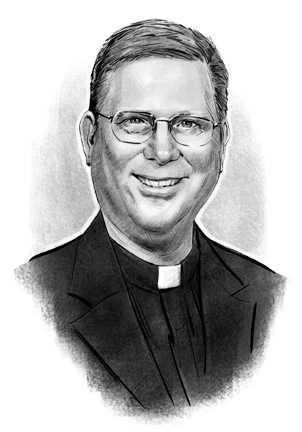
The article by Fr. Jerry Pokorsky explores the complex intersections of Catholic teaching, history, and culture, particularly concerning the institution of slavery in America. Drawing from Theodore Maynard’s book, The Catholic Church and the American Idea, Pokorsky examines narratives surrounding slavery, highlighting the varied experiences of enslaved people and the perspectives of their owners, some of whom treated their slaves with a degree of familial respect.
Key points include:
-
Historical Complexity: Different slave experiences, from brutal exploitation to familial relationships, complicate simplistic narratives of good vs. evil.
-
Cultural Critique: Modern Catholics must remain vigilant, aware of their own cultural biases, and question the moral assumptions of their time, just as past generations failed to see the injustices of slavery.
-
Moral Reflection: The Catholic faith invites individuals to assess their allegiance—be it to national identity or ideological categories—against the teachings of the Gospel, urging a focus on moral correctness rather than political alignment.
-
Call for Prophetic Voices: There’s a call for discernment when confronting injustices and recognizing that moral clarity often pertains most to the past.
-
Continuous Conversion: The Church’s teachings remain constant, yet the faithful must continually seek to align their lives with those teachings amidst changing cultural landscapes.
The piece ultimately urges a self-examination of present moral standings, comparing it to how future generations will assess contemporary issues, reinforcing the need for grace, vigilance, and ongoing conversion in the Catholic journey.