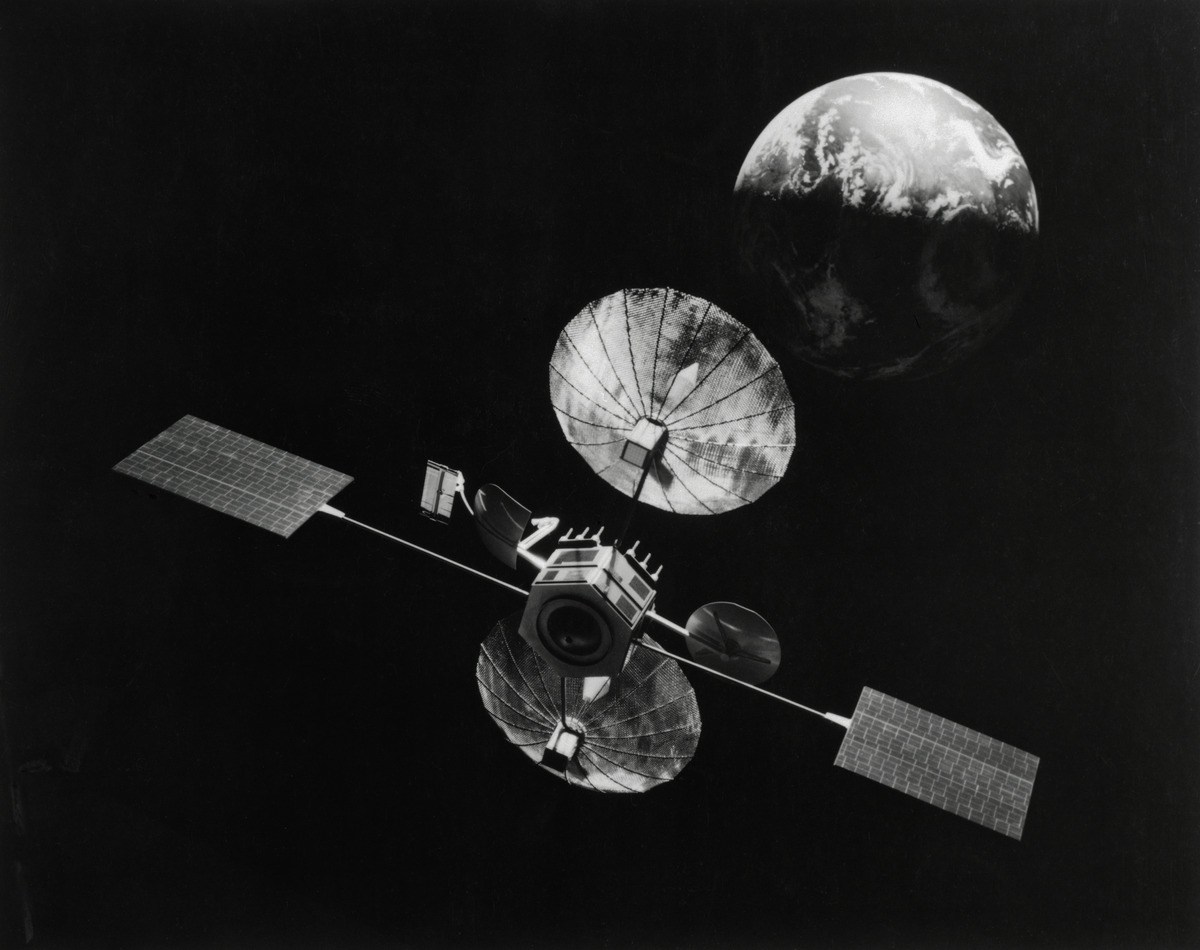
Mystery Satellite Breakup Investigated
The U.S. military has confirmed the fragmentation of the USA 32 satellite, a Cold War-era spy satellite, which occurred during its orbit on September 13. As analysts work to determine the cause, there is no immediate threat from the debris generated.
Details of the Incident
The satellite, operating in low-Earth orbit, split apart at approximately 9:13 p.m. UTC. A spokesperson from the U.S. Space Forces stated, “The cause of the fragmentation is currently unknown as analysis is still ongoing.”
While it’s common for inactive satellites to contribute to space debris, this fragmentation raises concerns about potential hazards for active satellites and the International Space Station (ISS). For example, in June 2024, ISS astronauts were required to take shelter due to risks posed by falling debris from a Russian satellite.
Background on USA 32
Launched in 1988 by the National Reconnaissance Office, the USA 32 satellite was part of the intelligence-gathering efforts during the Cold War. Recent reports noted that the satellite was also referred to as NORAD 19460.
Swiss space company s2a systems shared footage purportedly showing multiple fragments from USA 32, although its authenticity has not been verified.
Space Debris Concerns
A significant amount of space debris resides in low-Earth orbit, where important systems like the ISS and communication satellites, including Starlink, operate. It’s estimated that over 9,000 metric tons of debris existed in Earth’s orbit as of 2022, posing increasing collision risks.
Increasing Collision Risks
The European Space Agency (ESA) recently highlighted the growing danger of collisions in space, compounded by the proliferation of new satellite constellations without adequate removal of decommissioned satellites. On average, three intact satellites or rocket parts descend into Earth’s atmosphere daily, escalating the urgency for effective orbital debris management.
Further Developments
Ongoing analysis may provide insight into the breakup of USA 32. Attaining clarity on the situation is critical for ensuring the safety of current and future space operations.


