Essential Tips for Respecting Animals While Traveling
Traveling is one of life’s great pleasures and offers a unique opportunity for education. It allows you to experience diverse cultures and teaches valuable lessons about yourself and the world. However, it’s essential to show care and respect for animals—both wildlife and companion animals—during your journeys.
1. Stay 100 Yards Away from Wildlife
No matter how cute a wild animal may seem, maintaining distance is crucial. According to Kitty Block, CEO of Humane World for Animals, keep at least 100 yards (about a football field’s length) between you and large animals such as bears, mountain lions, and moose. This distance allows for safe observation while ensuring the safety of both the animal and yourself.
It’s important to appreciate wildlife at a respectful distance. (Christopher Hall via Getty Images)
2. Do Not Pet or Feed Wild Animals
Wild animals instinctively maintain a safe distance from humans. Approaching too closely can cause them to feel threatened and act defensively. Block advises against petting or feeding wildlife. If an animal allows you to come close, it may be sick or habituated to human food, which is dangerous for both parties.
3. Research Local Wildlife Before Your Trip
Understanding local wildlife behavior helps ensure safety for both you and your pets. Knowing what to expect and how to react when encountering animals such as bears or large carnivores is vital. Follow guidance from local wildlife agencies to enjoy a safe trip.
Brown bears don’t want pets or cuddles. (Shabbir Jasdanwala via Getty Images)
4. Consult Your Vet Before Traveling with Your Pet
Before hitting the road with your pet, ensure they are up-to-date on vaccinations. Microchipping and having a collar with tags are essential for identification in case of separation.
5. Be Attentive to Your Dog’s Needs
While traveling, monitor your dog’s reactions to new experiences. If they seem overwhelmed, consider adjusting your plans.
6. Prepare Your Dog for Socialization
Campsites can be busy places, so ensure your dog is leashed and well-trained to return when called. Watch for signs of excitement that may indicate wildlife nearby.
Pets can make friends while camping like you do. (miljko via Getty Images)
7. Keep Your Dog on a Leash
When hiking or camping, always leash your dog. Unleashed dogs can react unpredictably to wildlife or rugged terrain.
8. Train Your Dog for Strenuous Activities
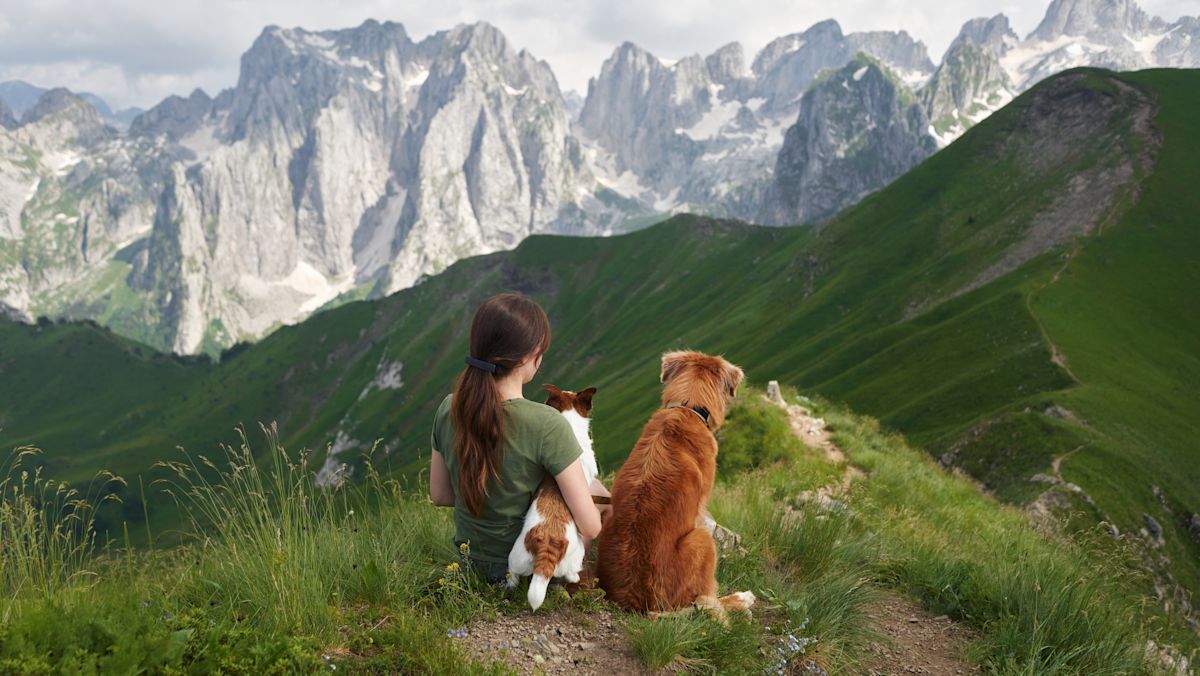
If you plan on engaging in more challenging hikes, ensure your dog is fit and accustomed to such activities. Gradually build up their stamina and reinforce good behavior practices before the trip.
Man holds his dog during a hike. (Alberto Menendez Cervero via Getty Images)
9. Beware of Traps and Snares
Traps can pose a danger to your dog. Always supervise your pet and keep them leashed in areas where traps may be present.
10. Don’t Leave Trash Behind
Clean up after yourself in nature. Always pack out what you brought in. Reducing packaging and ensuring waste is secured prevents attracting wildlife.
Hiker prepares to pack up to go. (Zoran Jesic via Getty Images)
11. Continue Educating Yourself
Stay informed about local wildlife regulations and safe practices while traveling with pets. Resources like Humane World for Animals offer helpful tips and guidelines.
Thank you for taking the time to learn how to respect and protect the animals you encounter on your travels. Have wonderful adventures this summer! For more information on travel, consider following me on Yahoo.