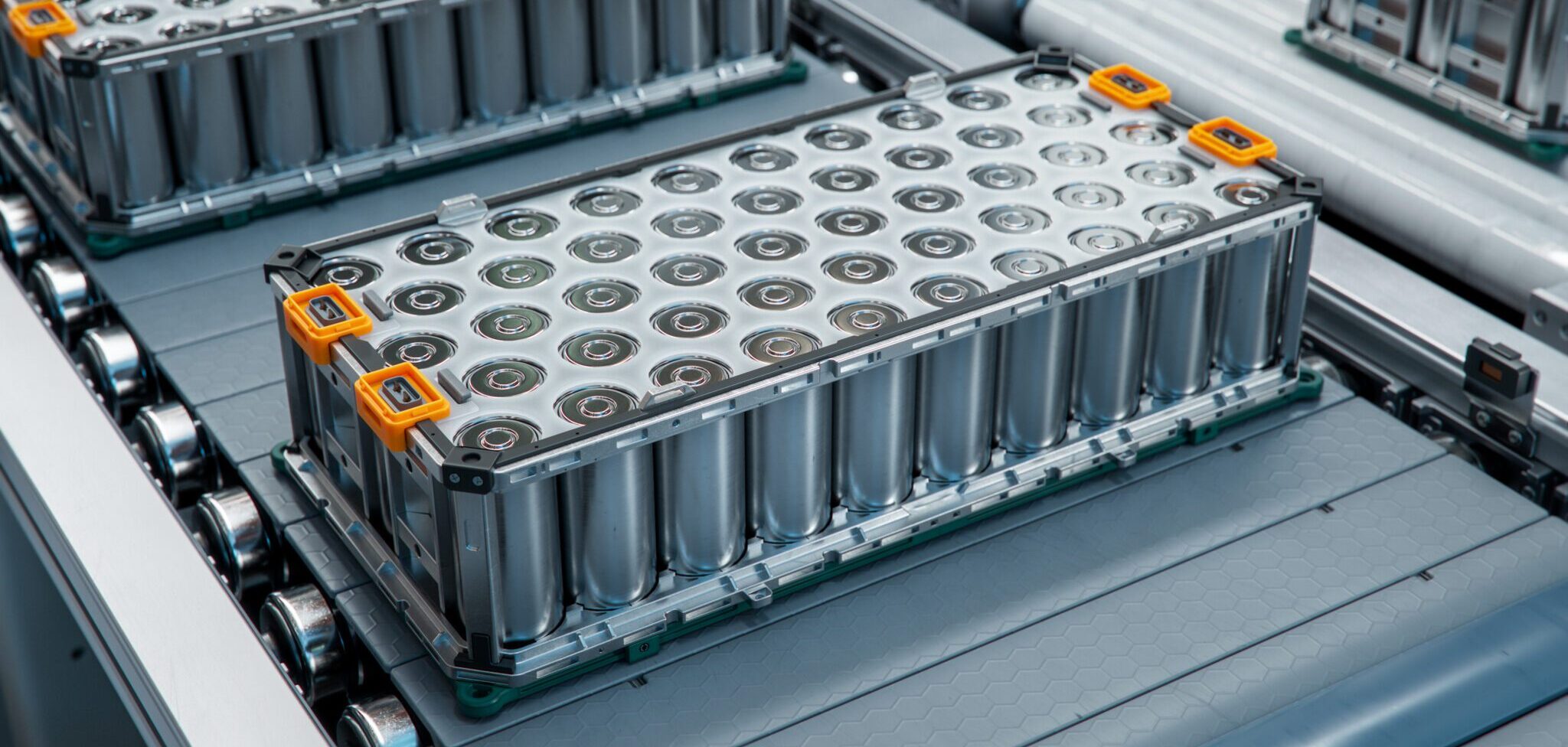
China is reintroducing a 2% consumption tax on lithium-ion batteries, effectively ending an 11-year exemption. This tax will rise to 4% by September 2027, while sodium-ion and solid-state batteries remain exempt until the end of 2028. Though the immediate financial impact is minimal—estimated at around CN¥438 (US$65) for a 60kWh battery pack—the move, combined with the rollback of NEV purchase tax relief, signals a retreat from the government’s support for the rapidly growing NEV market.
This withdrawal of support coincides with a downturn in domestic NEV sales, which fell by 10% in the first half of the year, with major players like BYD experiencing a 30% decline in home sales. The purchase tax, previously waived, has been reinstated at 5% with plans to return to a full 10% by January 2028. Concurrently, export rebates for electric vehicle batteries have been slashed, further challenging manufacturers.
With these changes, lithium carbonate futures have dropped significantly—25% in September—due to fears surrounding consumer demand and overcapacity. This sentiment is reflected in the market, which views the government’s withdrawal as a signal of reduced growth potential.
Despite differing opinions on the market’s response, the ongoing exemption for sodium-ion batteries indicates a strategic shift in support toward this emerging technology. Companies like CATL continue to invest heavily in sodium-ion production, enhancing their competitive advantage over smaller manufacturers facing cost pressures from tax changes.
Overall, these policy reversals are expected to accelerate the industry’s consolidation, as larger firms leverage their scale and diversification to weather the evolving market landscape.

