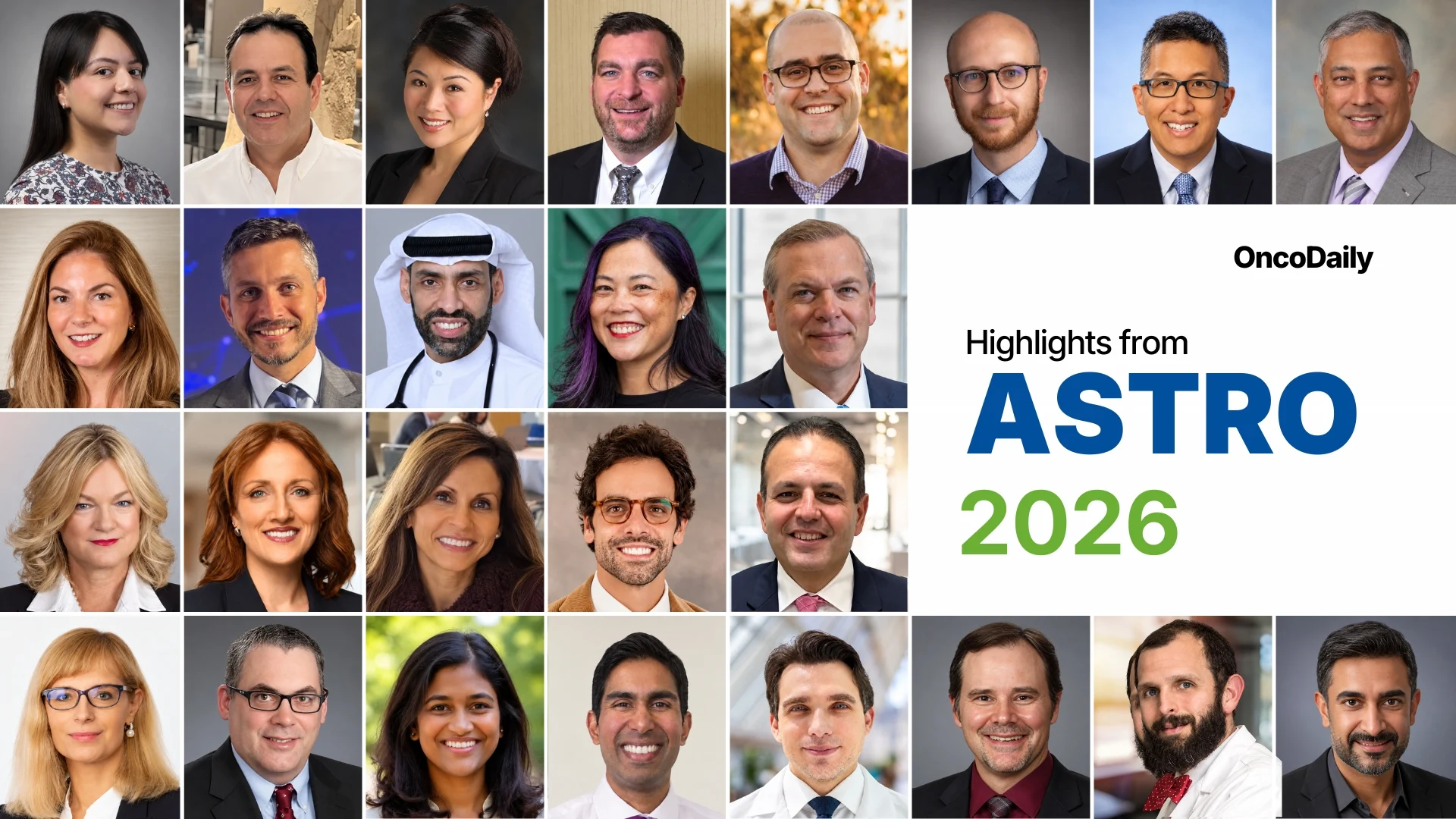
Progress in Radiation Oncology: ASTRO 2026 Highlights
Overview
ASTRO’s 68th Annual Meeting was held in Boston from September 26-30, 2026, under the theme “Data to Dialogue: Communicating Radiotherapy’s Value to Advance Care.” The event focused on connecting clinical research, technology implementation, and patient experiences.
Leadership Transition
- Neha Vapiwala succeeded Sameer Keole as ASTRO Board Chair. Both leaders acknowledged each other’s contributions, emphasizing the importance of continued progress in radiation oncology.
Scientific Recognition
- The Presidential Science Poster Session Showcase highlighted significant translational research, creating a platform for scientific discourse.
- Gold Medal Gala honored four individuals for their exceptional contributions to radiation oncology, and Siemens Healthineers received the inaugural Corporate Partner Award for its support in research and workforce development.
- Parima Daroui was inducted into the 2026 class of ASTRO Fellows, recognizing contributions at various career stages.
AI, Evidence, and Communication
Discussions included the adoption of AI in radiation oncology and the need for evidence-based evaluations of information. Notable speakers discussed applications in contouring and clinical decision-making.
Clinical Evidence Highlights
Prostate Cancer
- The PACE-A trial compared SBRT and prostatectomy, finding comparable cancer control but significant differences in functional outcomes favoring SBRT.
Brain Metastases
- The Alliance A071801 trial demonstrated improved local control and median overall survival with fractionated radiosurgery as compared to single-session treatment.
Small Cell Lung Cancer (SCLC)
- The NRG-CC009 trial found no significant difference in cognitive decline but noted longer overall survival with radiosurgery over whole-brain radiotherapy.
Pancreatic Cancer
- The SOFT Preop study suggested that SBRT led to better physical function during preoperative treatment, emphasizing the need for streamlined treatment approaches.
Educational and Interdisciplinary Discussions
Several sessions targeted complex decision-making processes in treating challenging gliomas, integrating education across specialties and emphasizing the interconnectedness of oncology disciplines.
Focus on Non-Malignant Conditions
Research presented included long-term effects of low-dose radiotherapy for knee osteoarthritis, signifying a broader application of radiation therapy beyond cancer.
Technology Innovations
- Siemens Healthineers introduced Accela, a radiotherapy solution, reflecting advancements in patient care through technology.
- Elekta emphasized the importance of adaptive radiotherapy, advocating for its integration into standard practice.
International Engagement and Future Leadership
- International participation was celebrated, particularly the advancements made by younger professionals in radiation oncology, highlighting the importance of global collaboration.
Closing Remarks
The conference underscored the importance of progression in radiation oncology, enhanced communication, and the integration of new technologies, all aimed at improving patient outcomes in cancer care.


