Skywatching Highlights of 2026
2026 has been an exciting year for astronomy enthusiasts, marked by several significant celestial events. In celebration of National Space Week, David Connick, a senior lecturer in Clemson University’s Department of Physics and Astronomy, shared key highlights.
Two Lunar Eclipses Turned the Moon Red
- March 3: A total lunar eclipse bathed the moon in a coppery hue for 58 minutes, as Earth’s atmosphere refracted sunlight.
- August 27-28: An eclipse nearly matched the first, with about 96% of the lunar disk in shadow, resulting in a dark reddish-orange hue.
Artemis II Sent Astronauts Around the Moon
- April 1-10: NASA’s first crewed Artemis mission successfully conducted a lunar fly-by, marking humans’ return to the moon after 50 years.
Total Solar Eclipse Swept Across Europe
- August 12: A total solar eclipse unfolded across parts of Greenland, Iceland, and Spain, providing a rare view for many regions.
Six Planets Lined Up in the Morning Sky
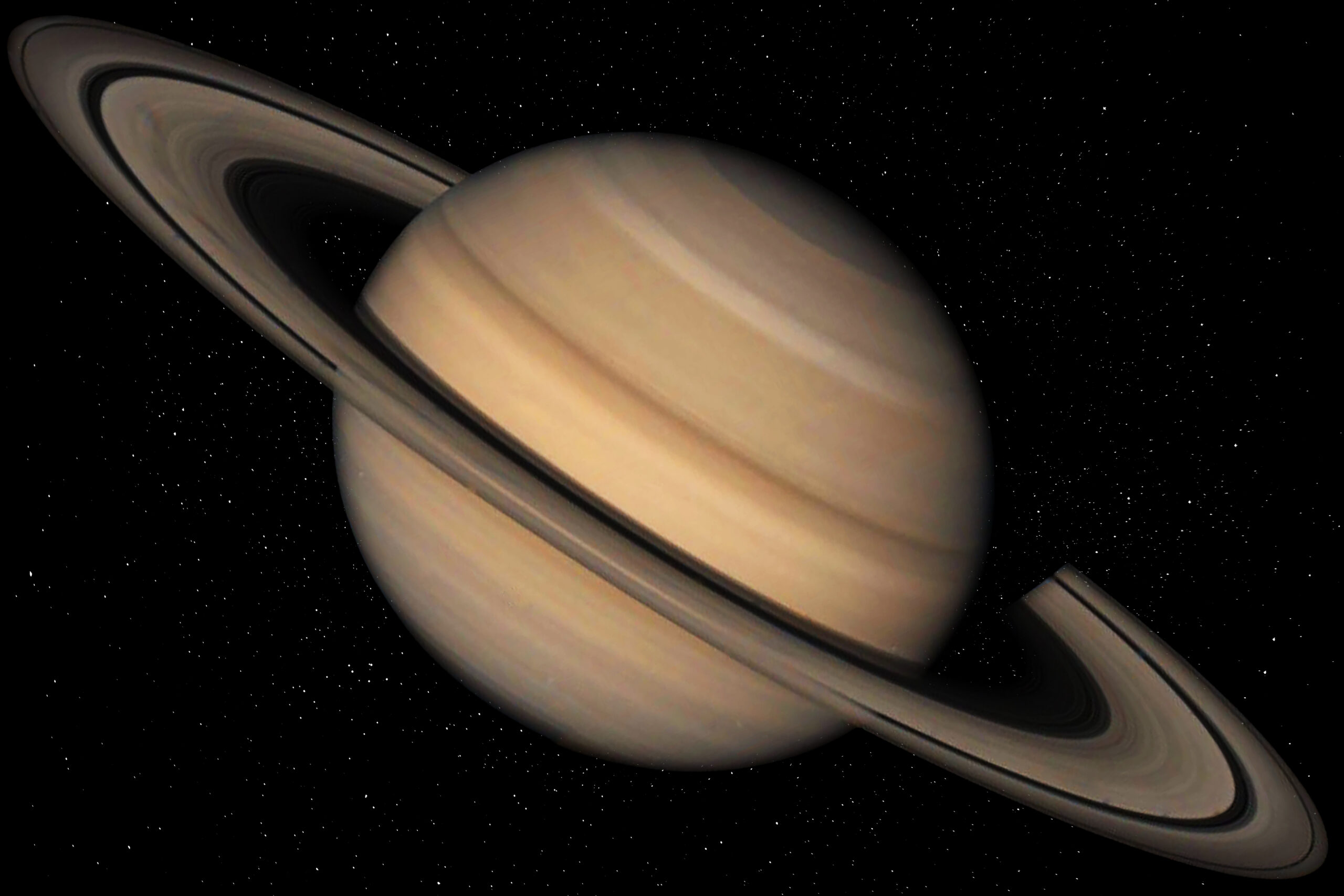
- August 12: Jupiter, Mercury, Mars, Uranus, Saturn, and Neptune formed a “planetary parade” visible in the early morning hours.
Nancy Grace Roman Space Telescope Launched
- August 30: NASA launched its newest flagship observatory, promising to discover thousands of exoplanets and survey vast regions of the universe.
Upcoming Events
Saturn at Opposition:
- October 4: Saturn will be at its brightest, situated in the constellation Cetus. This event will provide excellent viewing opportunities until mid-October.
Note: For aspiring astronomers, don’t worry if you miss Saturn this year; it reaches opposition annually, just a few days later each time.


