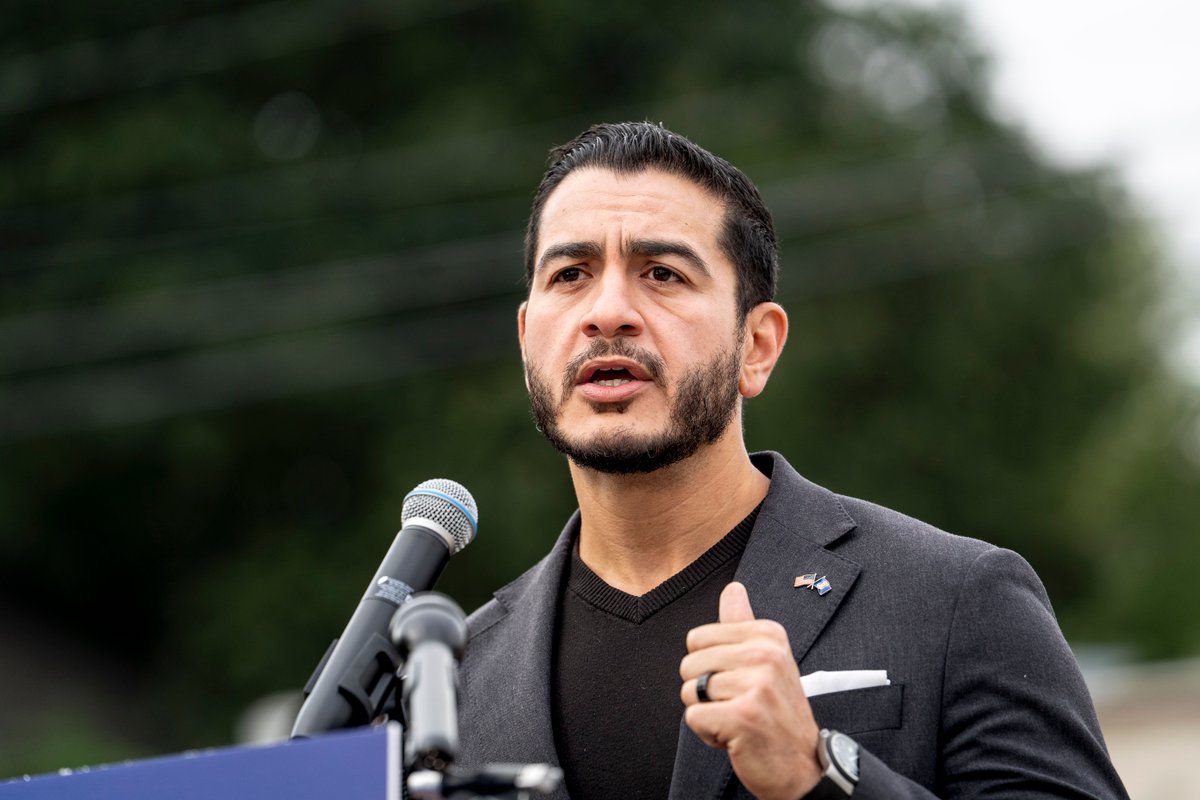
Interview with Abdul El-Sayed on Science and Public Health Policy
Background Influence on Policy:
Abdul El-Sayed emphasizes his training as a systems scientist, stating that effective policy questions often stem from scientific inquiry. He believes that understanding problems—like healthcare inequities—requires rigorous data analysis, which informs policy-making.
Descriptive vs. Prescriptive Science:
El-Sayed recognizes that while science primarily describes phenomena, it also seeks to intervene and improve lives. He argues that policymakers should adopt an iterative process to adapt and refine interventions based on outcomes, mirroring the scientific method.
Immediate vs. Long-term Solutions:
Addressing both systemic health issues and acute needs is crucial. El-Sayed draws parallels to medicine, stressing the importance of alleviating immediate pain while still working toward comprehensive systemic change.
Broader Systems Affecting Health:
El-Sayed highlights the interconnectedness of health with other systems, such as energy and technology. He urges a reevaluation of these systems to ensure they promote health rather than harm.
Views on the MAHA Movement:
He sees the “Make America Healthy Again” (MAHA) movement as a response to public distrust in corporations controlling healthcare. El-Sayed believes that while skepticism is necessary, outright rejection of scientific evidence poses a risk.
Stance on Glyphosate:
El-Sayed prefers a cautious approach regarding glyphosate until more conclusive scientific evidence is available. He advocates for a “proven safe” standard, contrasting with the current “innocent until proven guilty” approach for chemicals.
Restoring Agency Funding:
He calls for a reinvestment and modernization of agencies like the FDA and EPA, emphasizing the need for agencies that meet 21st-century challenges.
Implementing Medicare for All:
El-Sayed supports Medicare for All, suggesting it would ultimately create more healthcare jobs as people transition from a profit-driven insurance industry to a system that focuses on delivering care.
Job Transition During Medicare for All:
He asserts that while jobs may be lost in health insurance, there will be new job opportunities in the broader healthcare sector due to increased access and coverage under Medicare for All.
El-Sayed’s vision intertwines scientific rigor, social equity, and a commitment to creating a healthier America through thoughtful policy and systemic change.


