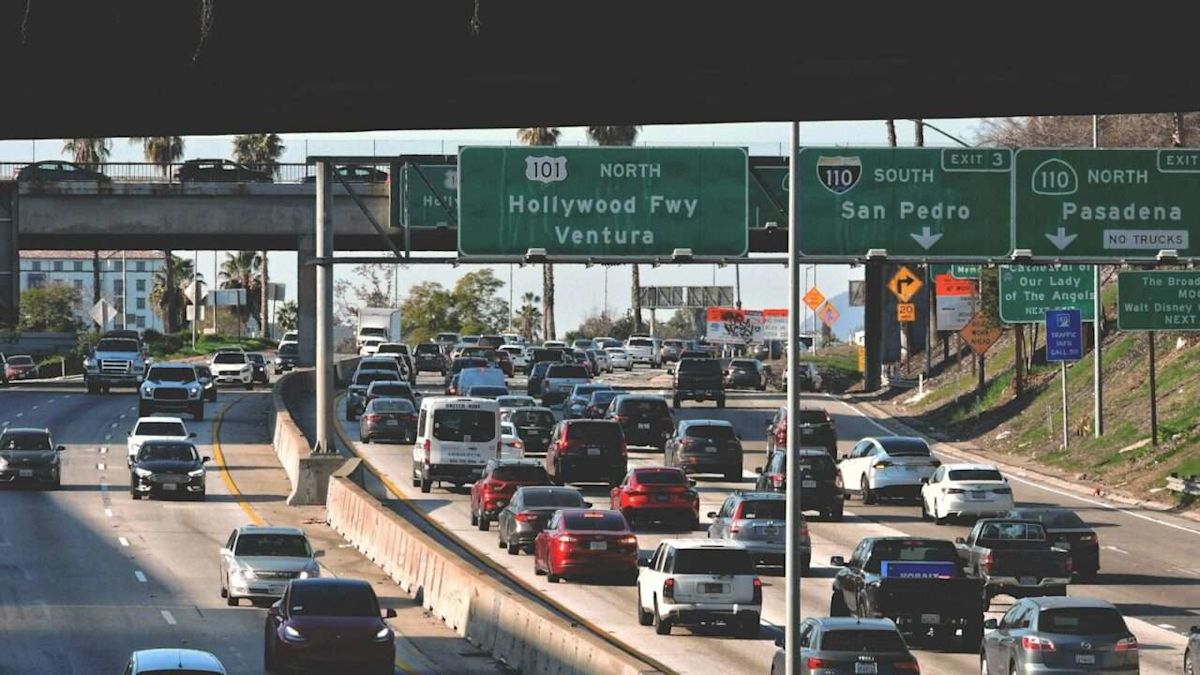
The California gas car ban enacted by Governor Gavin Newsom on September 23, 2020, through Executive Order N-79-20, aimed for all new passenger vehicles sold in the state to be zero-emission by 2035. While significant, the order did not actually ban the sale of gas cars or affect used vehicles, allowing Californians to retain ownership of their gas-powered cars.
Key Developments:
- Executive Order Goals: Set targets for new passenger cars by 2035 and medium- and heavy-duty trucks by 2045.
- CARB’s Role: The California Air Resources Board (CARB) was instructed to draft regulations and allow continued ownership and resale of gas vehicles.
- Environmental Rationale: The governor’s office cited transportation as a major contributor to carbon pollution, aiming to reduce greenhouse gases by over 35% and nitrogen oxides by 80%.
Legislative and Regulatory Journey:
- Regulatory Progress: Over the following years, CARB crafted the “Advanced Clean Cars II” rule, which established specific zero-emission vehicle sales quotas for automakers.
- Legal Challenges: The federal government, under the Trump administration, attempted to revoke California’s regulatory authority, leading to multiple lawsuits.
Current Implications:
- Consumer Impact: Gas car owners in California faced no immediate changes to ownership or resale options despite the ambitious goals.
- Automaker Uncertainty: Companies have had to navigate changing regulations, leading to confusion about future product plans regarding electric and hybrid vehicles.
- Market Response: The market has shown fluctuations in demand for electric vehicles, indicating that financial incentives play a significant role in consumer behavior.
Conclusion:
The law led to a nationwide dialogue on who should regulate vehicle emissions—state authority versus federal power. Despite the ongoing legal and regulatory battles, Californians have seen substantial growth in zero-emission vehicle adoption, driven more by market forces than regulatory mandates.
Discussion Point: Should states like California have the power to enforce automotive regulations that shape national markets?

