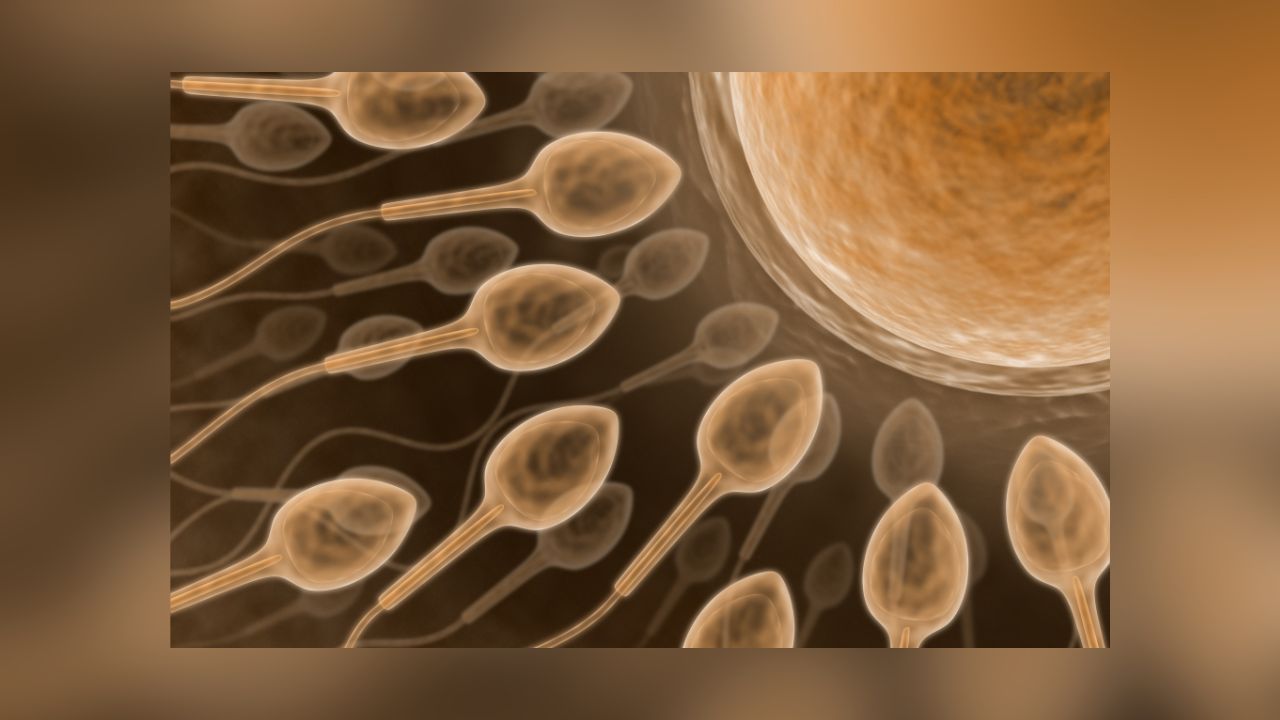
The article discusses the challenges of human reproduction in space as plans for long-term missions to the Moon and Mars progress. Reproductive biologist Nicole McPherson’s research indicates that microgravity can disrupt early stages of reproduction, impacting sperm navigation, fertilization rates, and embryo development.
Key Findings:
-
Microgravity Effects on Sperm:
- Studies show sperm movement is affected in simulated microgravity conditions, reducing the success rate in navigating female reproductive tracts.
- A 50% reduction in the ability of sperm from humans and mice to reach eggs was observed, along with a 30% decrease in fertilization rates with mouse eggs.
- Progesterone, a hormone, seems to improve sperm navigation in microgravity.
-
Embryonic Development Issues:
- Exposure to microgravity during the first 24 hours post-fertilization led to a lower successful development rate of mouse embryos, with indications of delayed growth and fewer cells.
-
Animal Studies:
- Previous studies in space have involved various animals, providing some data but noting that results may not translate directly to humans.
-
Radiation Risks:
- Beyond microgravity, astronauts face higher levels of cosmic radiation, which can affect DNA and embryonic development.
-
Human Pregnancy Unknowns:
- The effects of microgravity on human pregnancy and fetal development are largely uncharted, posing ethical and scientific dilemmas that complicate research.
- Challenges include potential adaptations of babies born in low gravity and issues upon returning to Earth.
Implications:
Research on how weightlessness and radiation impact reproduction is not just pivotal for future space exploration but may also provide insights into human fertility and contribute to advancements in medical and agricultural fields. Understanding these dynamics is essential as humanity looks to establish life beyond Earth.


