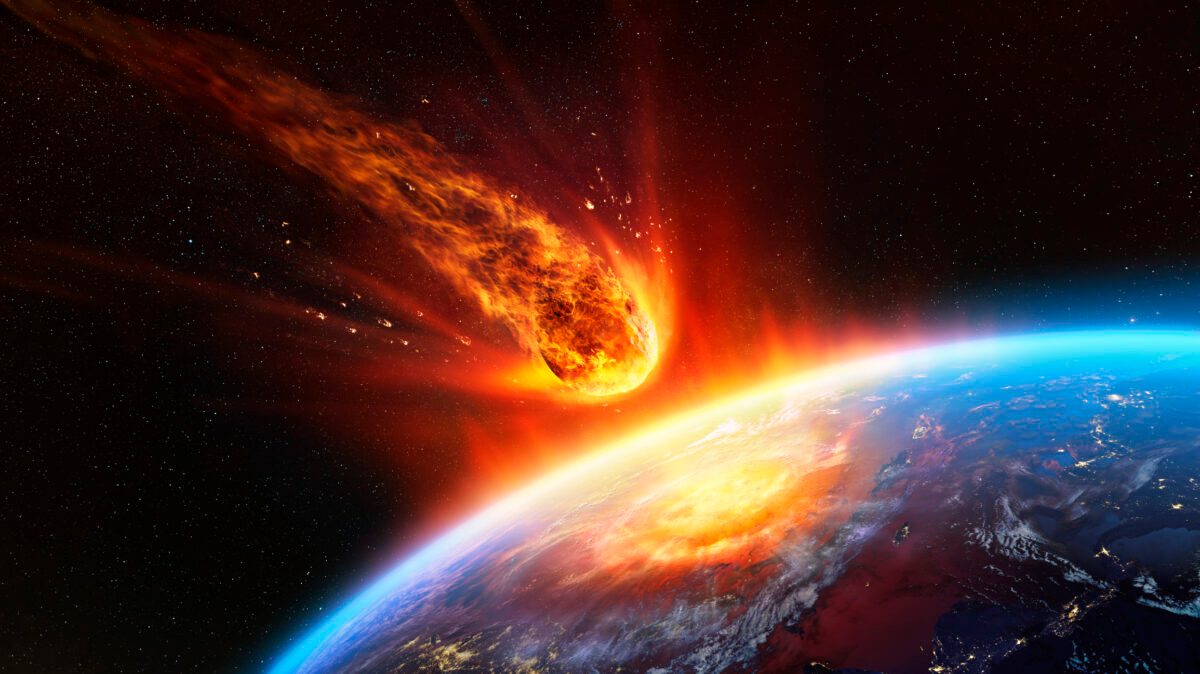
Astronomers have reached a significant milestone by cataloging the 40,000th near-Earth asteroid. This achievement underscores both the progress in asteroid detection and the potential hazards these space rocks may pose to Earth.
What Are Near-Earth Asteroids?
Near-Earth asteroids are rocky remnants from the Solar System’s formation, typically ranging in size from a few meters to several kilometers. Their orbits bring them within approximately 45 million kilometers (28 million miles) of Earth’s orbit, a relatively close distance in cosmic terms. The first of these objects, known as Eros, was discovered in 1898.
The Importance of Monitoring
The detection and tracking of these asteroids are crucial for planetary defense. Currently, around 2,000 near-Earth asteroids have a non-zero chance of impacting Earth in the next century. However, most of these are small and not considered a significant threat.
Recent Discoveries
The rate of asteroid discoveries has surged dramatically:
- 1,000 known in 2000
- 15,000 in 2016
- 30,000 by 2022
The recent increase includes approximately 10,000 asteroids identified in the past three years alone as advanced telescopes, such as the Vera C. Rubin Observatory in Chile and ESA’s Flyeye telescopes, come into operation.
Future Focus
While the largest near-Earth asteroids have mostly been cataloged, mid-sized asteroids (100-300 meters) present a new challenge, with only about 30% of them currently identified. Monitoring and understanding these objects can enhance our preparedness against potential impacts.
As astronomers continue to refine tracking and prediction techniques, they hope to maintain a vigilant watch over these celestial bodies to protect our planet.


