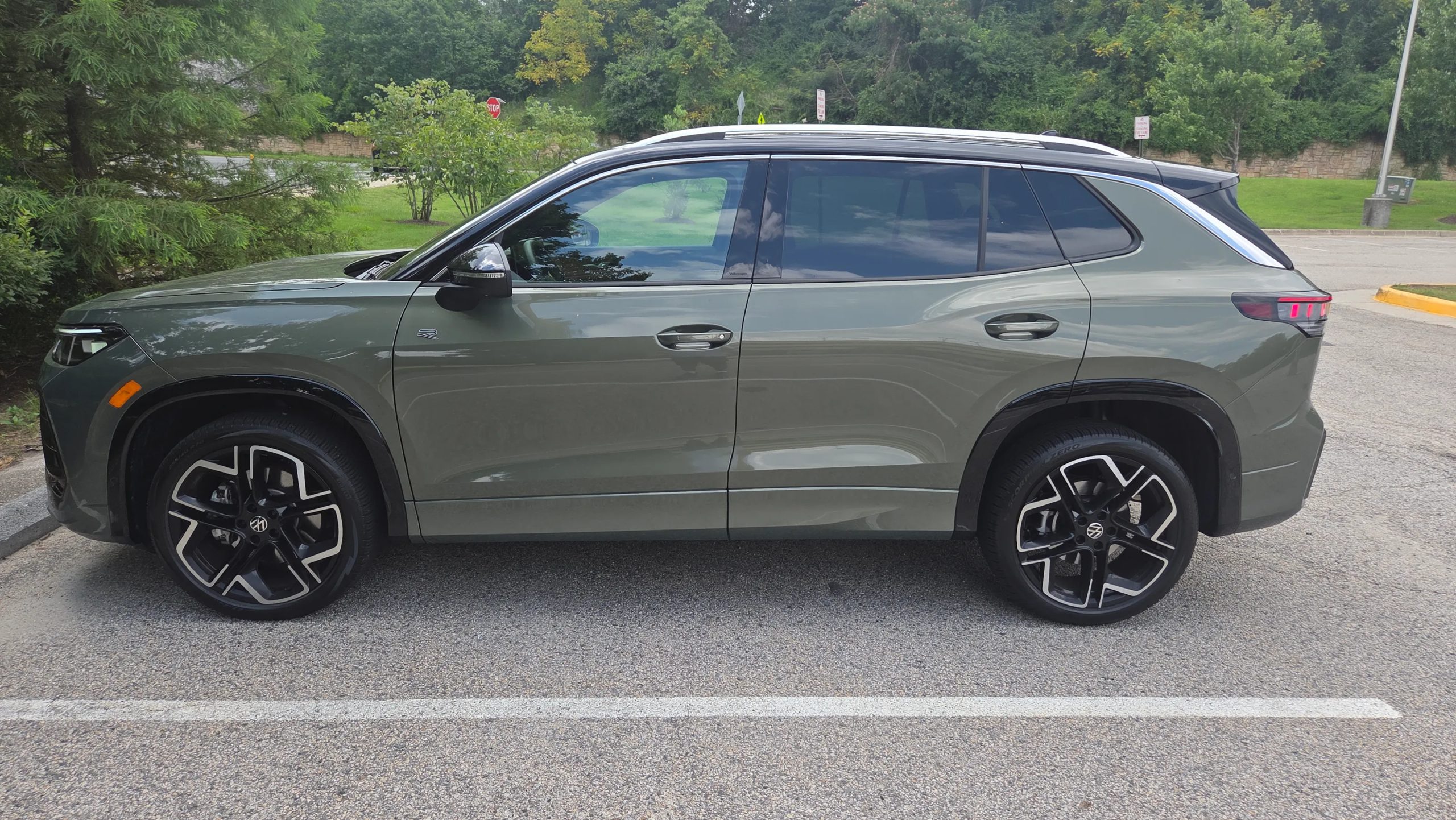
Volkswagen is set to launch hybrid versions of its popular Tiguan and Atlas SUVs in the next two to three years, following midcycle refreshes of both vehicles. This decision responds to a growing consumer demand for fuel-efficient cars, particularly amid rising gas prices, which recently averaged $4.36 per gallon.
Key points from the announcement:
-
Consumer Trends: Consumers are shifting towards hybrids due to high gas costs, with hybrid sales increasing 23% from Q2 2025 to Q2 2026. Despite this shift, fully electric vehicles are not seeing the expected uptake.
-
Strategic Changes: Volkswagen’s strategy is to focus on market segments that better meet customer needs. They plan to strengthen successful models and expand their portfolio in the hybrid segment.
-
Current Offerings: Volkswagen currently has no hybrid models in the U.S., with its only electric vehicle being the ID. Buzz minivan. The company discontinued the ID.4 in America as part of its new direction.
-
Market Context: Competing automakers like Honda and Toyota have seen benefits from their established hybrid models as consumers gravitate towards fuel-efficient options. Registration data reveals millions of hybrids on the road compared to fully electric vehicles.
This pivot to hybrids reflects a broader trend in the automotive industry as manufacturers respond to changing consumer preferences and regulatory environments.

