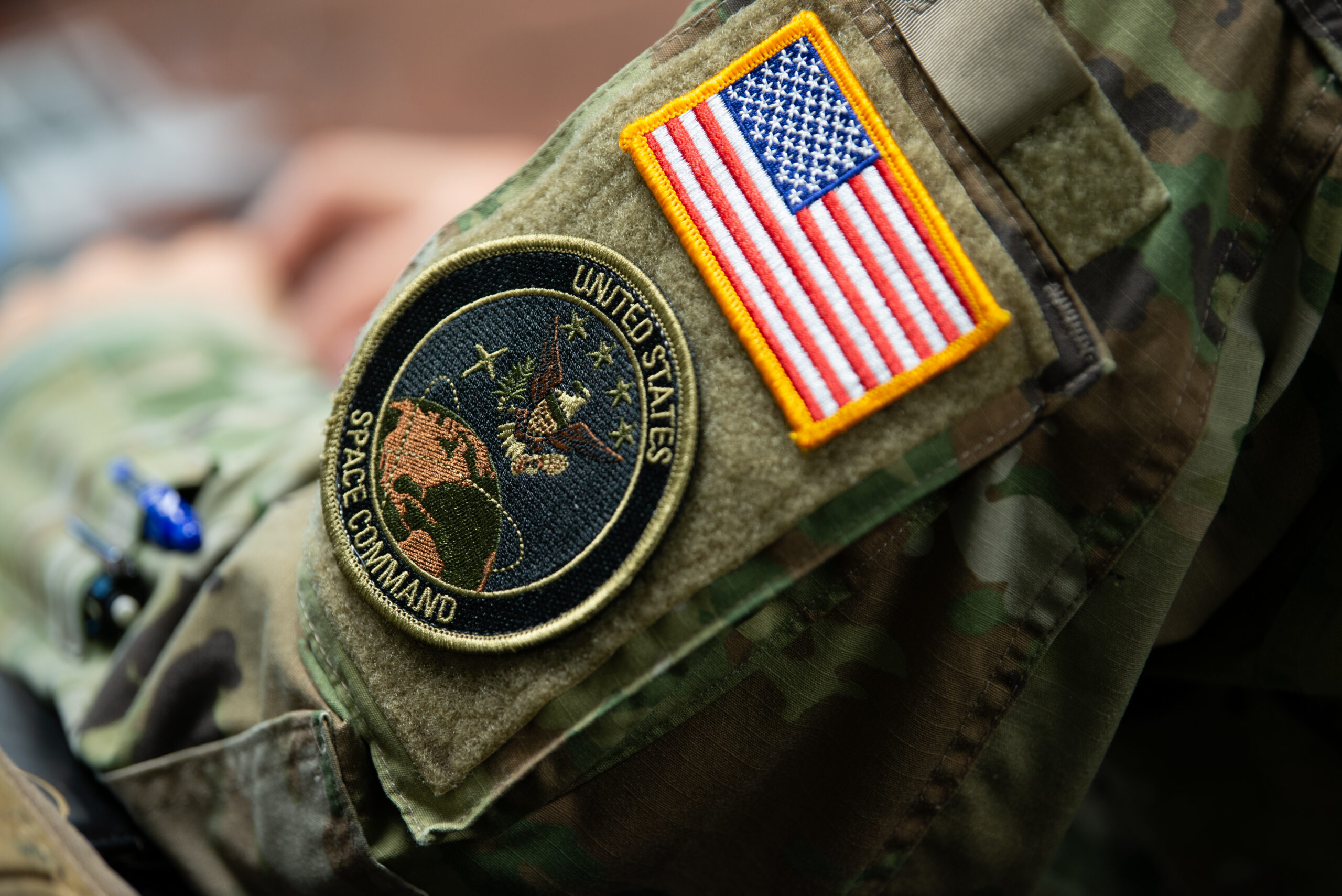
The article discusses the need for future commanders of U.S. Space Command to come exclusively from the U.S. Space Force, emphasizing that Guardians are uniquely qualified to integrate space operations into broader military strategies.
Key Points
-
Leadership Transition: General Stephen Whiting took command in January 2024, and the President and Senate must determine his successor, ideally selecting from within the Space Force.
-
Specialized Training: Guardians are trained specifically in space warfare, orbital operations, and cross-domain integration, making them the most qualified for the role.
-
Statutory Responsibilities: The Space Force legally oversees U.S. operations in space and is responsible for organizing and training for these missions, a duty not shared equally with other services.
-
Operational Context: Space has evolved from a support domain to a critical warfighting domain, necessitating a leader with comprehensive understanding in that area.
-
Joint Operations: While there may be claims that appointing a Guardian could hinder joint operations, the article argues that the appropriate expertise is vital for effective leadership and decision-making in combat scenarios.
-
Institutional Consistency: As the Space Force matures and develops experienced leaders, maintaining the precedent of a Guardian in command strengthens accountability and the appropriate application of space superiority.
-
Future Structure and Collaboration: The relocation of U.S. Space Command to Huntsville and the creation of a new Army Space Operations Branch may complicate future leadership selections, but the core responsibility for space dominance rests with the Space Force.
In conclusion, the article argues for consistent leadership from Guardians to ensure effective space operations and maintain the structural integrity of U.S. military efforts in space.


