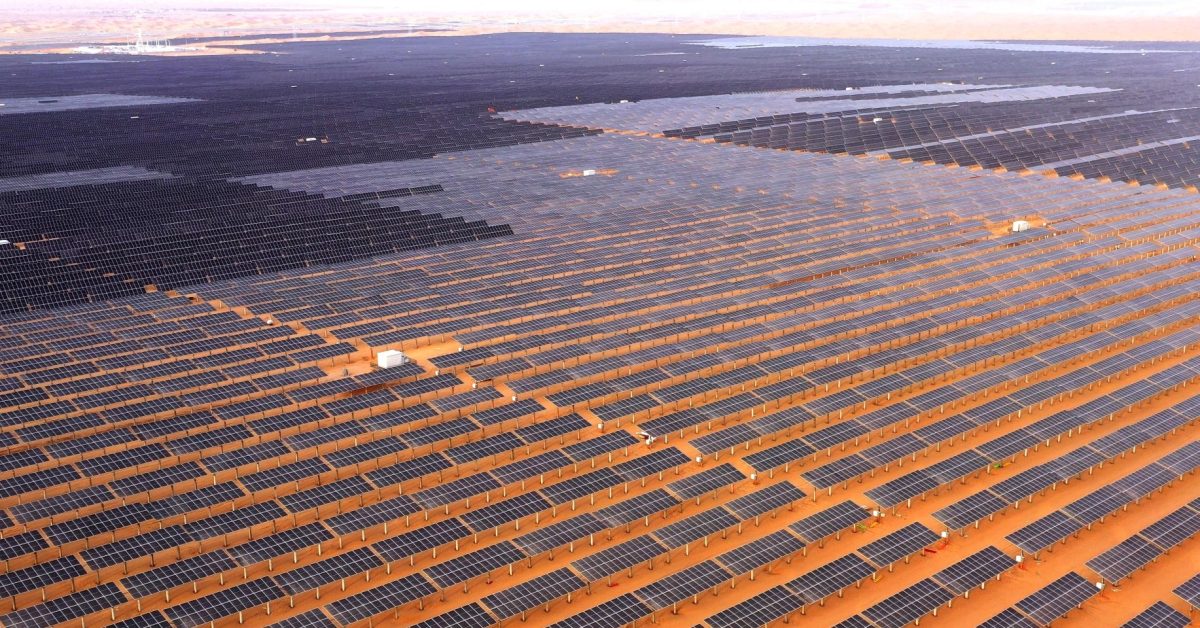
China’s energy landscape is undergoing a remarkable transformation as clean energy initiatives begin to dominate. In stark contrast to its coal-heavy past, many provinces are experiencing a halt in coal generation, with a recent Ember report revealing that coal power has ceased to grow in 17 of 26 regions identified. This shift highlights the nation’s commitment to meeting burgeoning electricity demand through renewable sources.
Notably, in 2025, despite a 5% increase in electricity demand, thermal generation—mainly from coal—decreased by 0.7%. This marks a significant departure from previous years, illustrating how clean electricity sources have become more capable of covering rising demand while simultaneously displacing coal.
The transition is multifaceted, encompassing not only power generation but the broader industrial landscape. In recent years, fossil fuel use has peaked in several industrial sectors, including food and beverage and transport equipment manufacturing. This decrease is not a result of reduced output; rather, it’s indicative of a broader electrification strategy, with electricity increasingly fulfilling energy demands across various sectors.
China’s electric vehicle (EV) market plays a pivotal role in reducing dependence on imported oil, further bolstering energy security. The EV fleet alone accounted for a significant decrease in gasoline demand, highlighting the effectiveness of transitioning to cleaner energy sources.
As the world watches, China’s shift from fossil fuels to clean energy could have far-reaching implications for global fossil fuel markets. With its ambitious Five-Year Energy Plan, which aims to peak oil and coal consumption by 2030, the trend suggests a seismic shift in energy consumption patterns that may reshape the global energy landscape in the years to come.