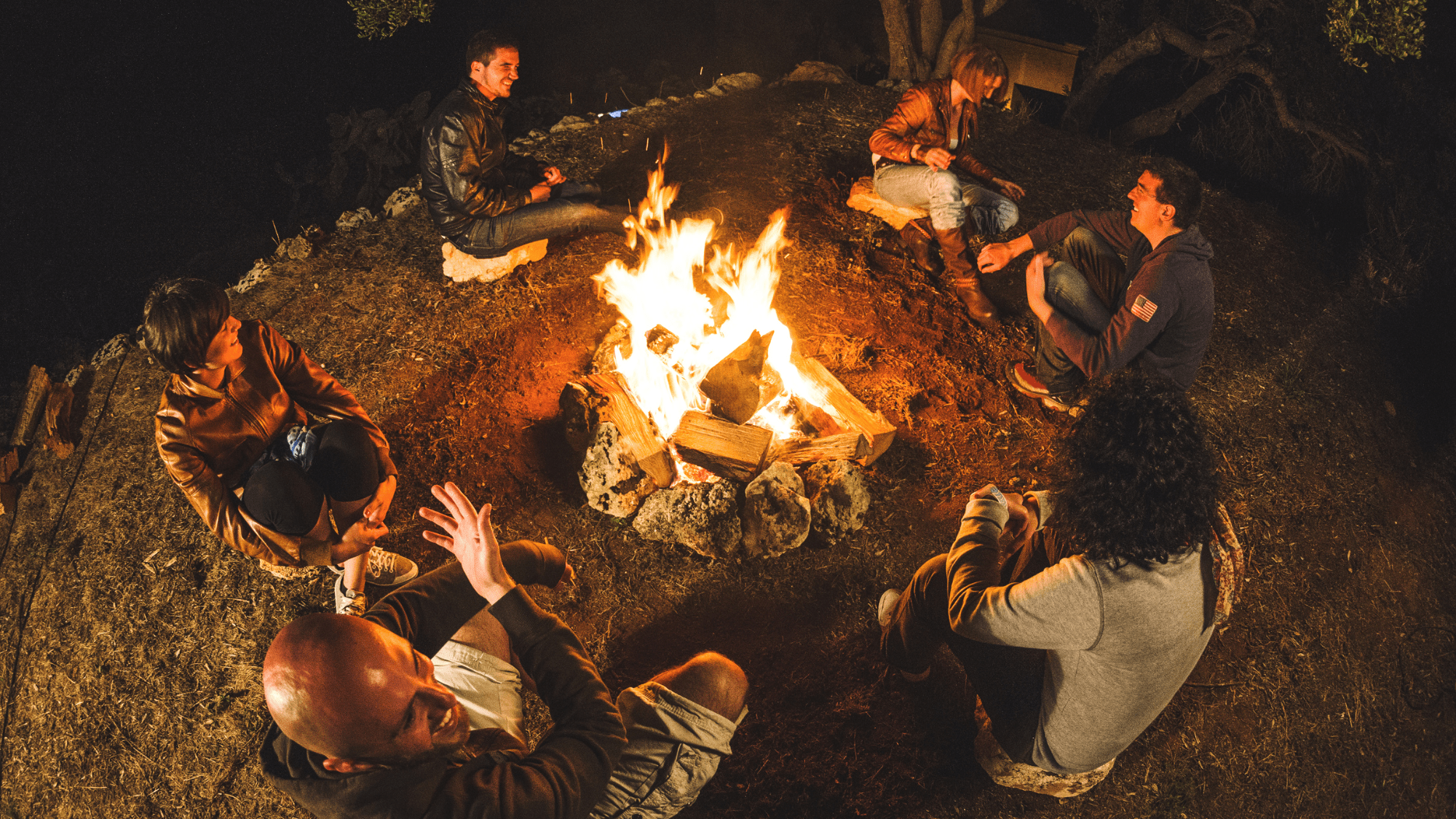
The theory that campfires played a significant role in the evolution of human language presents a captivating perspective on our social development. Researchers propose that instead of focusing solely on survival communication—like coordinating hunts—our language evolved through social interactions that fostered bonding and storytelling around the fire. The unique environment created by flickering flames and smoke likely obscured body language, making verbal communication more essential.
Moreover, the rhythmic flicker of a campfire aligns with certain brain wave patterns, potentially synchronizing the mental states of storytellers and listeners. This shared experience may have enhanced our ability to convey complex emotions and narratives, marking a pivotal shift in communication. Ultimately, the emphasis on storytelling rather than mere survival tactics suggests that deep social connections, laughter, and empathy were critical in shaping human language.