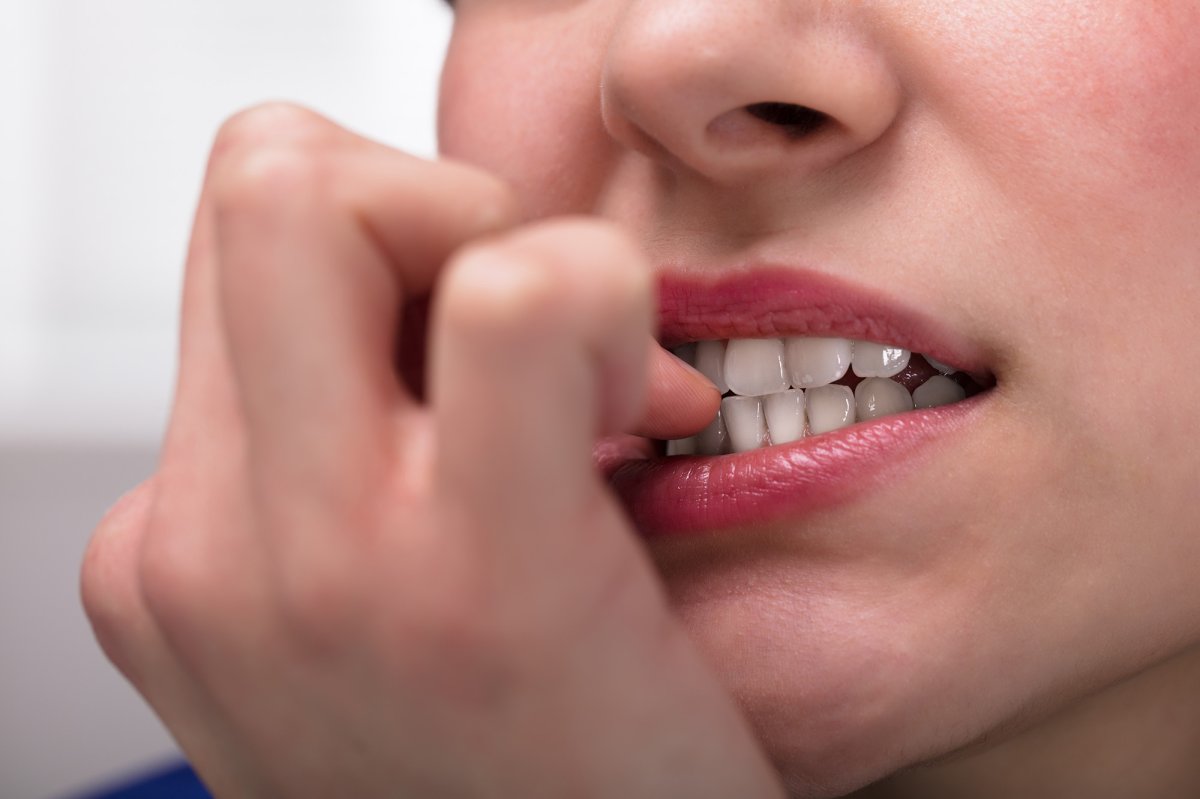
Nail biting is a common habit among 20 to 30 percent of Americans, often serving as a coping mechanism for stress or boredom, according to The Cleveland Clinic. While it may provide temporary relief, it can significantly impact health.
Health Risks of Nail Biting
-
Bacterial Exposure:
- Your hands are often dirty, and biting your nails directly transfers bacteria and dirt into your mouth.
- A 1988 study found that the area under the nails contains far more bacteria compared to other parts of the hand.
-
Increased Bacteria in Saliva:
- Studies have shown that a large percentage of nail biters carry Enterobacteriaceae in their saliva, a type of bacteria that can lead to infections.
-
Finger and Nail Damage:
- Nail biting can lead to visible damage, including short, uneven nails and scar tissue.
- Potential effects on teeth and gums include wear and tear, leading to long-term dental issues.
Ways to Curb the Habit
- Behavioral Therapy: For psychological reasons behind nail biting, professional therapy can be an effective option.
- Self-Care: Finding alternate stress relief methods can help.
- Nail Care: Regularly trimming nails and using nail polish can reduce the temptation to bite.
- Bitter Nail Polish: Special formulations can act as deterrents.
Biting your nails may feel soothing, but the associated health risks make it a habit worth trying to overcome.