Yup’ik Immersion School Program in Alaska: A Model for Cultural Connection
By Nayanika Guha
Other Indigenous groups are looking to the K-8 language immersion program in Anchorage, Alaska, as an inspiring model.
Growing up in Bethel, Alaska, Amber Arnaqulluk Shields spoke Yup’ik from a very young age, spending time with her English-averse grandparents in Toksook Bay. When she became a parent, she prioritized Yup’ik for her children, raising her son Kangrilnguq, now a fifth grader, to speak the language.
“I was concerned when I noticed Kangrilnguq shying away from other kids at the park. But when I encouraged him to play with a child who understood Yup’ik, it clicked,” Shields shared.
Upon discovering the Yup’ik immersion program at College Gate Elementary School in Anchorage, Shields enrolled Kangrilnguq, hoping he would connect better with teachers and peers.
Launched in 2018, the program, funded by a federal grant, aims to revitalize Indigenous languages. Each year, the school has expanded its offerings, and it will soon include eighth and high school grades.
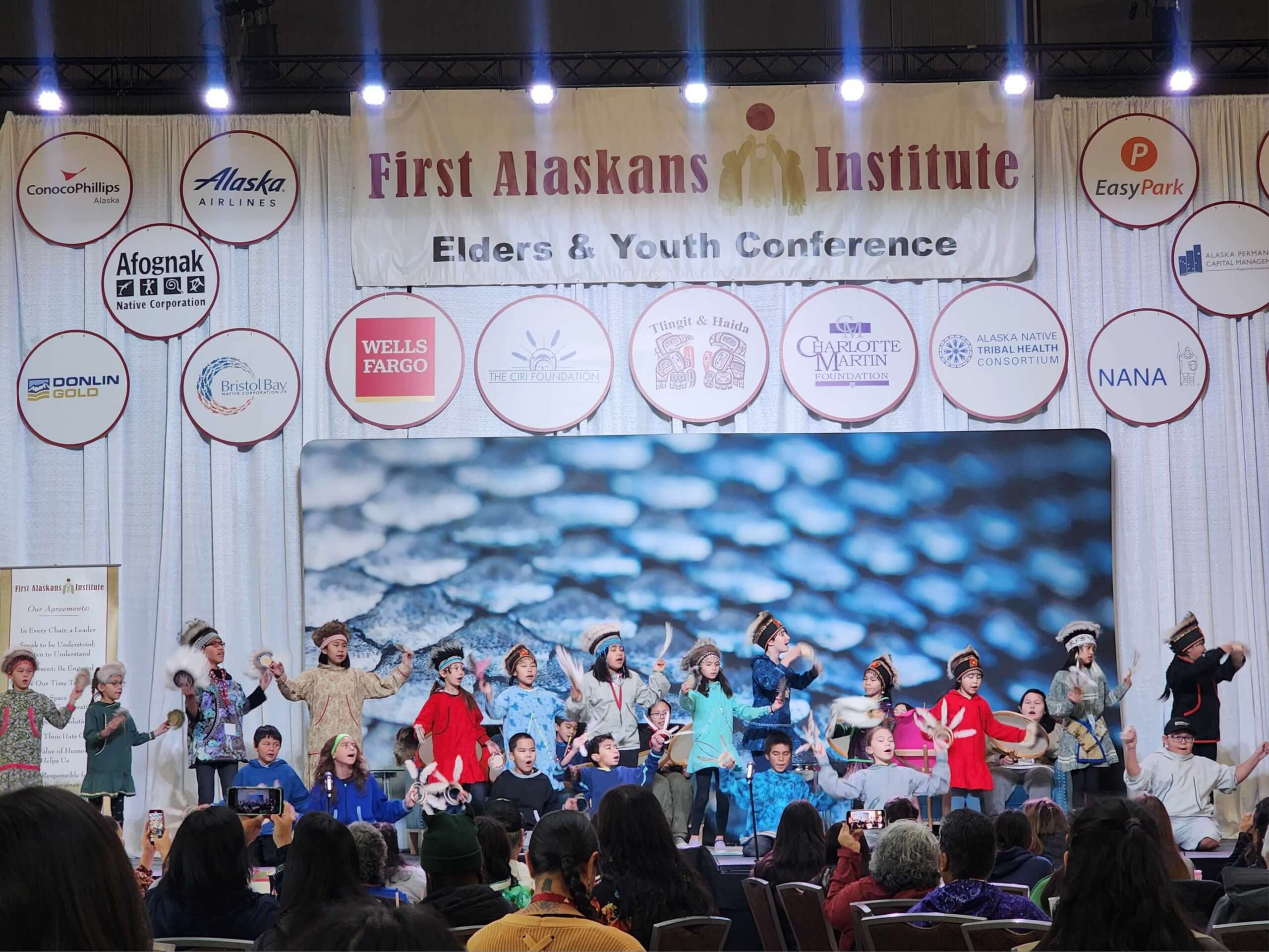
Principal Darrell Berntsen emphasized that the program is about more than language; it fosters cultural understanding. “We act like a big village here at the school,” he explained.
Shields noted that the program allows her son to engage in Yup’ik cultural practices. He learns not only language but also traditions, connecting with Yup’ik elders who teach the program. Recent family experiences, such as fishing to share with his teachers, highlight the cultural synthesis the program promotes.
Berntsen, an Alutiiq from Kodiak Island, hopes the program will help revive Yup’ik in Anchorage. Alaska Native languages are at risk of extinction, calling such programs crucial for cultural survival.
Studies indicate that learning Indigenous languages contributes to psychological healing and strengthens community ties. Participants gain resilience through language acquisition, exposing them to their heritage.
As part of the immersion experience, students learn what is known as “the way of life,” a Yup’ik pledge emphasizing respect for all living things. According to Panigkaq Agatha John-Shields, a Yup’ik elder, this understanding is vital for fostering mindfulness and connections to the land.
For Shields, the changes in her son are evident. Initially nervous, he now has friends with similar cultural values and shares experiences like fishing and hunting. The Yup’ik immersion students are also noted for their respectful behavior, a reflection of embedded cultural teachings.
Despite challenges—like funding uncertainty and transportation issues—the program demonstrates remarkable success. It attracts interest from Indigenous nations looking to replicate its model, showcasing its potential for broader cultural revival.
Each year, the program maintains its commitment to growing and connecting Yup’ik culture within an urban context. For Shields, the joy and confidence her children gain from this experience affirm its importance.