ESA’s Cluster Mission Concludes: A Fiery Farewell
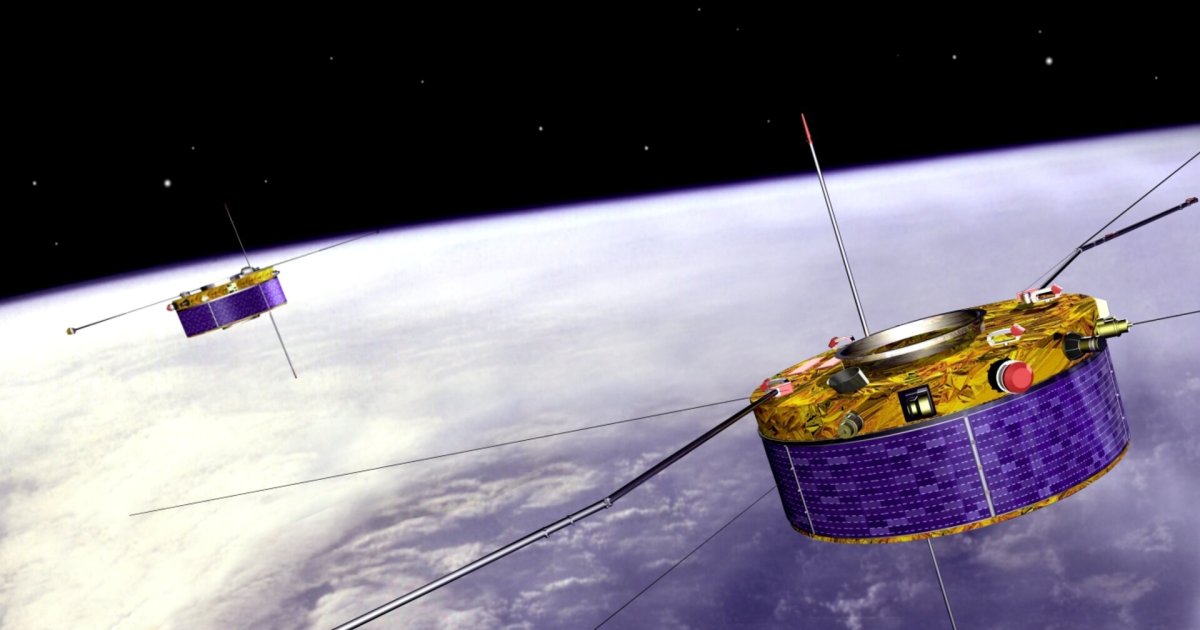
The European Space Agency (ESA) has recently completed its 26-year-long Cluster mission, with the last two satellites, Samba and Tango, making a targeted reentry into Earth’s atmosphere. This was not just the end of a mission but also an opportunity to gather critical data about satellite reentry and how spacecraft can burn up cleanly to mitigate space debris concerns.
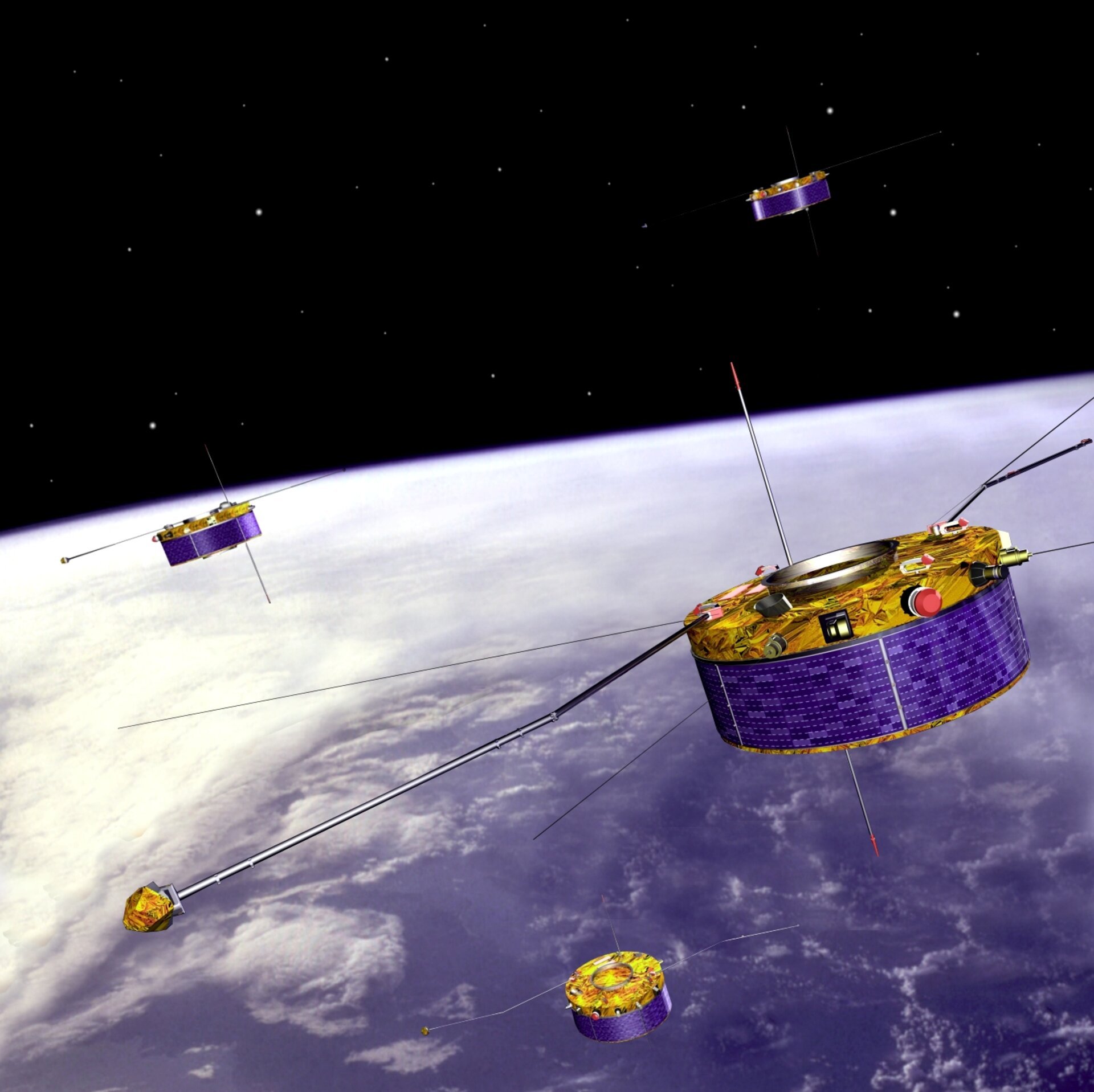
Samba made its final plunge on August 31, 2024, and Tango followed less than 24 hours later on September 1, 2024. These planned reentries were carried out over the remote South Pacific Ocean, allowing scientists to observe the events closely. A specialized team flew in a small plane equipped with instruments to record each satellite’s disintegration, capturing nearly a minute of data.
Why Samba and Tango Matter
Samba and Tango were part of four identical satellites launched in 2000, each contributing to our understanding of Earth’s magnetosphere. The mission formally ended in 2024, but the satellites continued to circulate at high elliptical orbits, providing a unique opportunity to conduct controlled reentries.
Satellites typically reenter the atmosphere due to drag, especially those in low Earth orbit. In contrast, the Cluster satellites operated high enough to avoid atmospheric drag until they were nudged into lower orbits for reentry. ESA used precise calculations to choose their reentry points to minimize risks.
Gathering Data for the Future
The data collected during these reentries is invaluable for designing future satellites that burn up entirely upon reentry, minimizing debris and atmospheric pollution. As satellite launches increase, understanding how spacecraft disintegrate in the atmosphere becomes crucial for safety and environmental protection.
The Final Observations
The Re-entry Observation Setup and International Execution (ROSIE) team meticulously tracked Samba and Tango’s last moments, revealing crucial details about the materials that melted and the thermal dynamics at play. Despite some unexpected variances in atmospheric conditions, the mission provided critical insights that can improve models and future satellite designs.
Looking Ahead: The Draco Mission
The Cluster mission serves as a precursor to ESA’s upcoming Draco mission, set to launch in 2027. Unlike its predecessors, Draco will be designed specifically to reenter and gather data from within as it disintegrates. The insights gained from both the Cluster and Draco missions aim to enhance understanding of satellite reentry and ultimately lead to cleaner and safer space activities.
For more updates and details about space missions, follow Brooks Mendenhall at Astronomy.