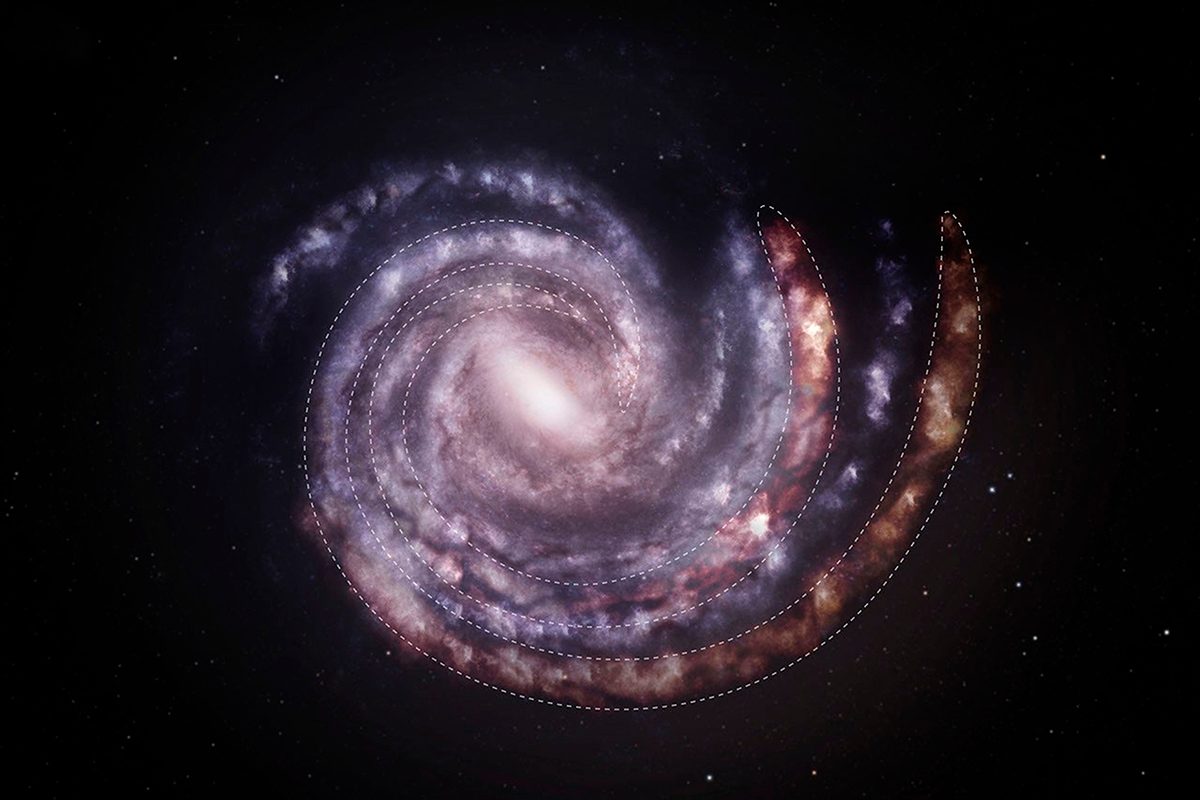
Astronomers have recently discovered that the Milky Way’s spiral arms may extend further into space than previously thought. This finding necessitates a revision of fundamental models of our galaxy. Utilizing a novel measurement technique, scientists employed X-ray echoes from powerful gamma-ray bursts observed by NASA’s Chandra X-ray Observatory and ESA’s XMM-Newton.
Published in Astronomy & Astrophysics, the study details how researchers measured the distances to dust clouds within the Milky Way’s spiral arms by analyzing expanding X-ray rings generated by gamma-ray bursts in distant galaxies. As X-rays traveled to Earth, they scattered off surrounding dust clouds, creating ‘light echoes’ that illuminated these clouds and enabled accurate distance calculations.
The measurements confirmed the established distance to the Milky Way’s Perseus Arm, but revealed that the Outer Arm and the Outer Scutum-Centaurus Arm are up to 10% farther away than previously estimated. The lead author, Beatrice Vaia, emphasized the geometric precision of this new method, contrasting it with other techniques that rely on assumptions about the galaxy’s rotation, which become less reliable at greater distances.
However, the technique’s application is limited due to the rarity of suitable gamma-ray bursts, with researchers only having identified a handful suitable for this method over 25 years.
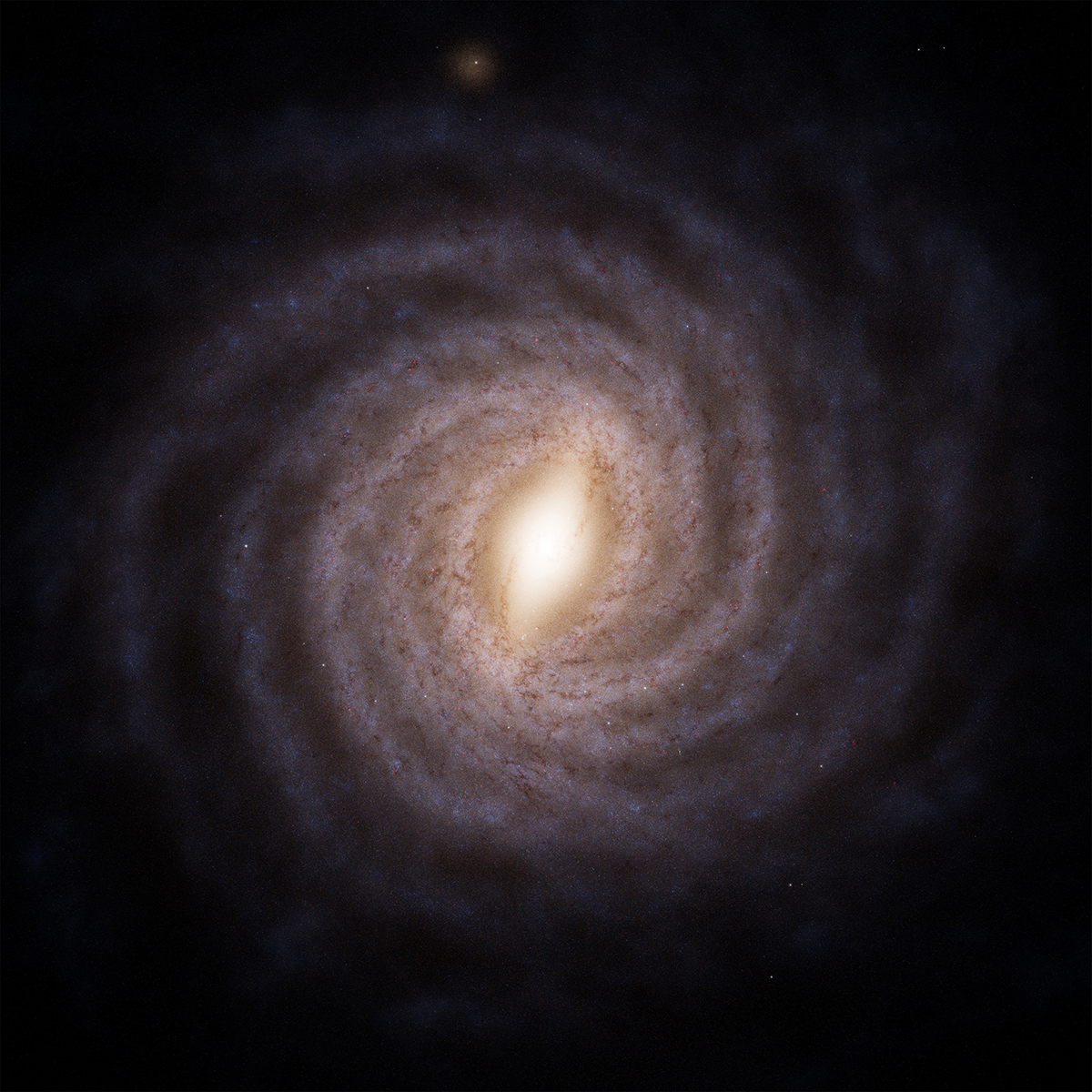
In summary, this innovative approach provides a more precise understanding of the Milky Way’s structure, though the scarcity of gamma-ray bursts poses challenges for broader application in the future.