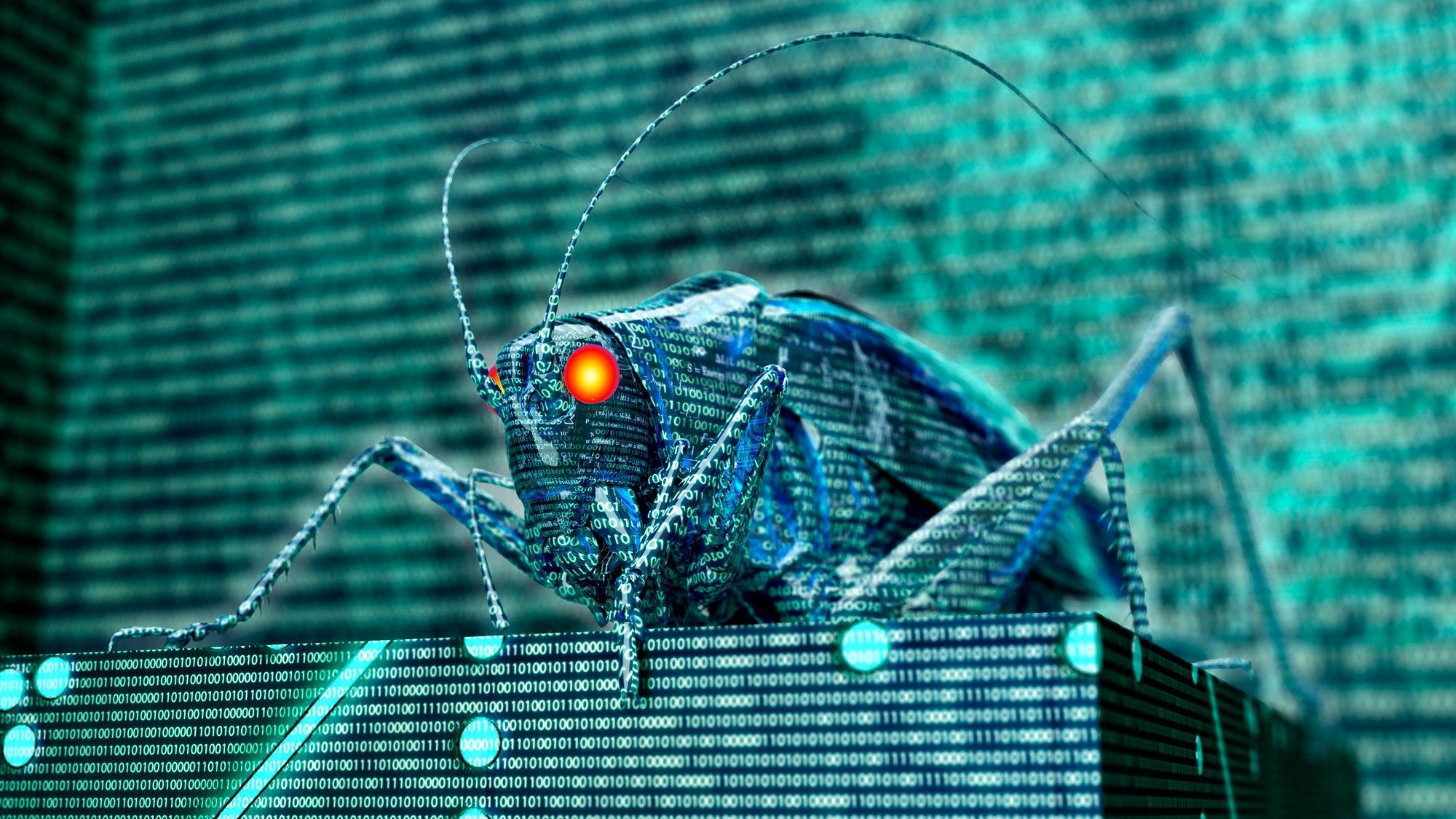
The latest innovation in search and rescue technology involves cockroaches that have been engineered to assist in locating and providing medical care to individuals in challenging environments, such as disaster zones. Dubbed “Paraborgs,” these paramedic cyborg cockroaches are equipped with cameras and miniature medical injectors, enabling them to deliver emergency care to those trapped in inaccessible areas.
A study published in Advanced Science details how researchers implanted electrodes into these giant burrowing cockroaches, allowing for remote control of the insects. The goal is to facilitate targeted medical assistance in scenarios that traditional emergency responders cannot reach.
Despite concerns regarding the appeal of cockroaches in rescue missions, researchers believe that when lives are at stake, the focus shifts to the potential benefits these insects can provide. The initial experiments showcased a 95% success rate in delivering injections, suggesting promising future applications.
The engineering process is complex, primarily revolving around accurately positioning the cockroaches for injections. Scientists are exploring the potential of various insects for specialized rescue missions, leveraging their unique capabilities.
However, ethical considerations are pivotal, as standardized guidelines for using invertebrates in research are still developing, although the cockroaches involved were maintained in a suitable environment with proper nutrition.
This isn’t the first instance of using modified cockroaches for beneficial purposes; previous experiments involved creating suits for other cockroach species to aid in underwater search operations. The evolving field of cyborg insects could redefine the landscape of urban search and rescue in the future.