Distributed Acoustic Sensing: A Game-Changer in Ice Monitoring
One of the most intriguing advancements in science is distributed acoustic sensing (DAS), which utilizes fiber optic cables to monitor various environmental phenomena. By analyzing how vibrations affect light transmission through these cables, researchers can detect events like volcanic eruptions and earthquakes, plus even trace footsteps above ground.
Recent Findings in Swiss Glaciers
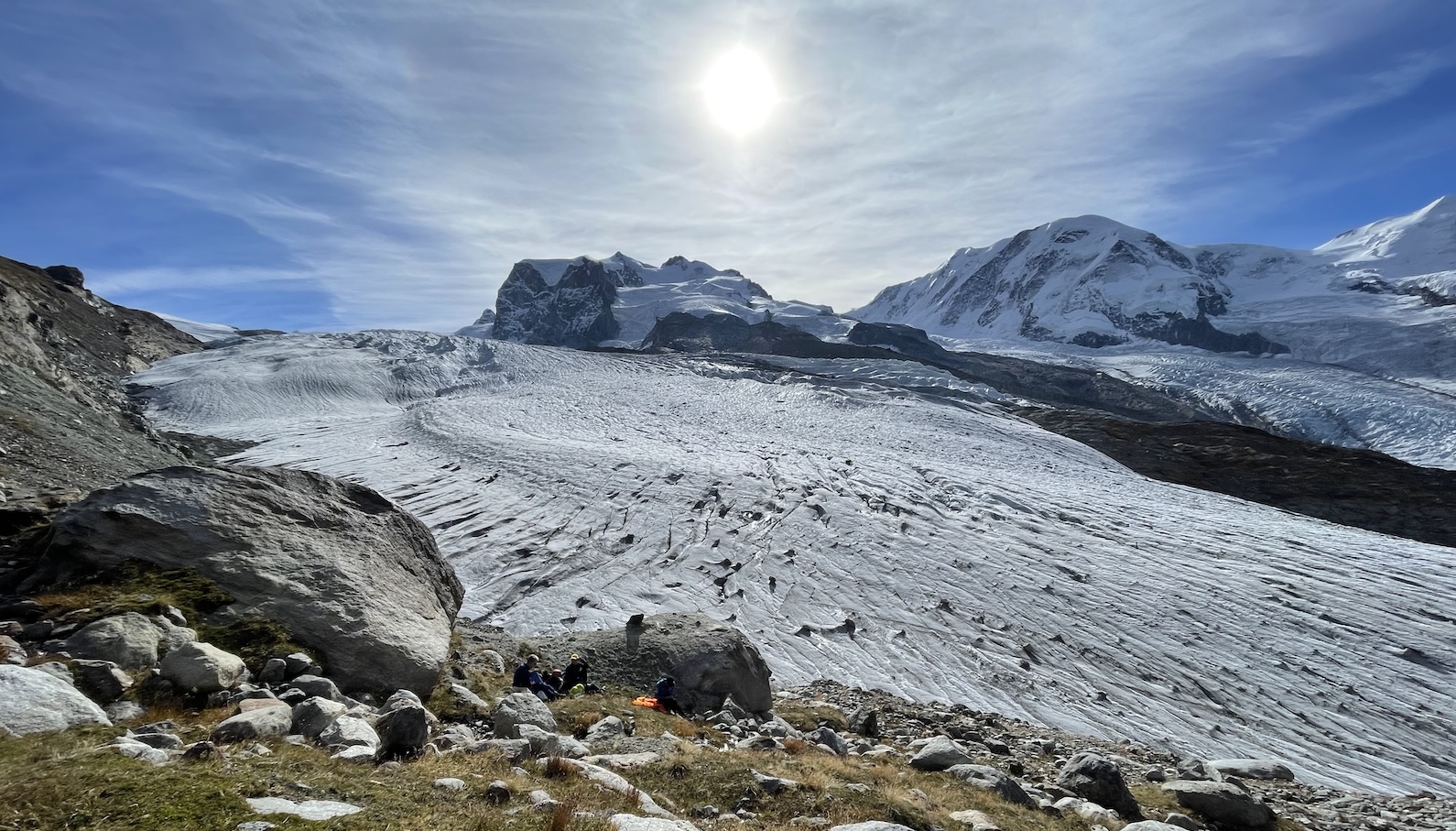
In Switzerland, researchers have effectively used DAS to study hydrofracturing—a critical process occurring in glaciers. This phenomenon involves meltwater penetrating deep into ice, generating pressure that could lead to significant structural instability in ice sheets worldwide, notably in Greenland and Antarctica. Thomas Hudson, a seismologist at ETH-Zurich, emphasizes the importance of observing this process to understand and predict sea level rise more accurately.
How DAS Works
To explore these dynamics, Hudson and his colleagues laid a grid of fiber optic cables across a glacier. A device called an interrogator sends laser pulses through the cable. Even minimal disturbances in the cable reflect back data to the interrogator, which logs this information. By calculating the return time of the light, the team can locate an “icequake”—akin to an earthquake but specific to ice fractures—at various distances along the cable.
This method allows researchers to transform a single cable into thousands of strain sensors, significantly enhancing data collection compared to traditional seismometers.
Advantages of DAS
- Cost-Effectiveness: Fiber optic cables are affordable, lowering the financial risk if damage occurs.
- Safety: DAS enables remote monitoring, reducing the dangers associated with working directly on glaciers.
- Real-Time Data: Unlike conventional seismometers, which require manual data handling, DAS provides continuous streaming data, simplifying logistics.
Implications for Glacier Monitoring
Through their research, the Swiss team identified over a thousand icequakes within a week. Their findings revealed that glaciers are compromised not only by rising temperatures but also by meltwater intruding deep into ice cracks. Understanding these dynamics is crucial for assessing the stability of glaciers, especially those that pose risks to infrastructure below.
Hudson suggests that a long-term DAS system could serve as an early warning mechanism for glacial collapses, ultimately contributing to better safety for communities near vulnerable glaciers.
The Bigger Picture
DAS could also provide insights into the ongoing collapse of ice sheets in Greenland and Antarctica. As underwater turbulence exacerbates ice melting, DAS allows for detailed monitoring of crack formations that dictate ice stability.
In conclusion, by harnessing DAS technology, scientists are unfolding unprecedented views into ice dynamics, crucial for anticipating the impacts of climate change on global sea levels.