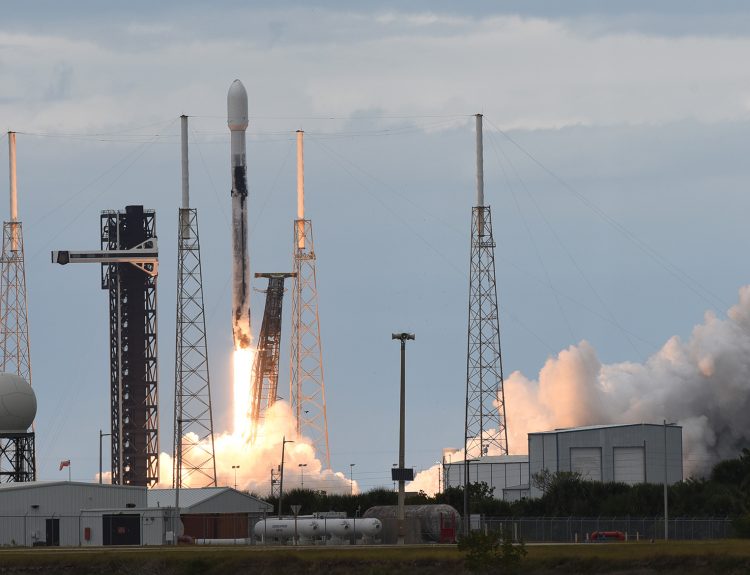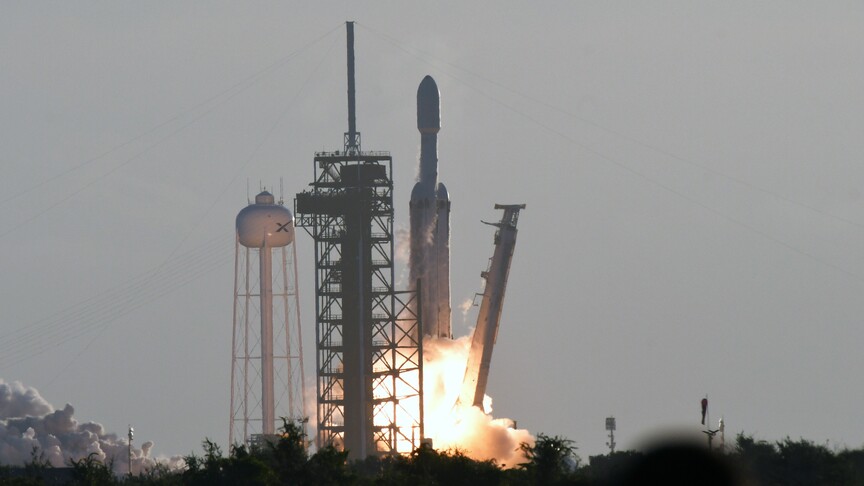
The Nancy Grace Roman Space Telescope, recently launched by NASA, is set to revolutionize our understanding of the universe, focusing on the mysteries of dark matter and dark energy. Here’s an overview of its key attributes and mission goals:
Key Features:
- Speed and Efficiency: Roman can survey the sky about 1,000 times faster than the Hubble Space Telescope, allowing it to cover vast areas with a single shot.
- Primary Mission Duration: Designed for an initial mission of 5 years, with a goal of potentially extending to 10 years.
- Wide-Field Viewing: Its camera captures an area about 100 times larger than Hubble’s in one image, maintaining sharpness.
- Advanced Instruments: Equipped with a 300-megapixel infrared detector, it also has a Coronagraph for observing exoplanets by blocking starlight.
Mission Goals:
- Dark Energy: Investigate the force driving the universe’s accelerated expansion by mapping galaxies and studying the nature of dark energy.
- Dark Matter: Understand dark matter’s influence on the distribution of galaxies by analyzing how its gravitational effects have shaped structures since the Big Bang.
- Exoplanets: Detect new exoplanets using gravitational microlensing, aiming to identify thousands of new worlds during its missions.
Data and Impact:
- The telescope will download about 1.4 terabytes of data daily, with public access planned for early 2027.
- Its observations will aid in addressing fundamental questions about the universe, contributing to ongoing research in astrophysics.
With its innovative approach of looking wider and faster rather than focusing closely, the Roman Space Telescope complements existing missions like Hubble and Webb, each focusing on different aspects of the universe. The mission’s timely launch and adherence to budget highlight NASA’s commitment to effective space exploration.