NASA’s Nancy Grace Roman Space Telescope Takes Flight
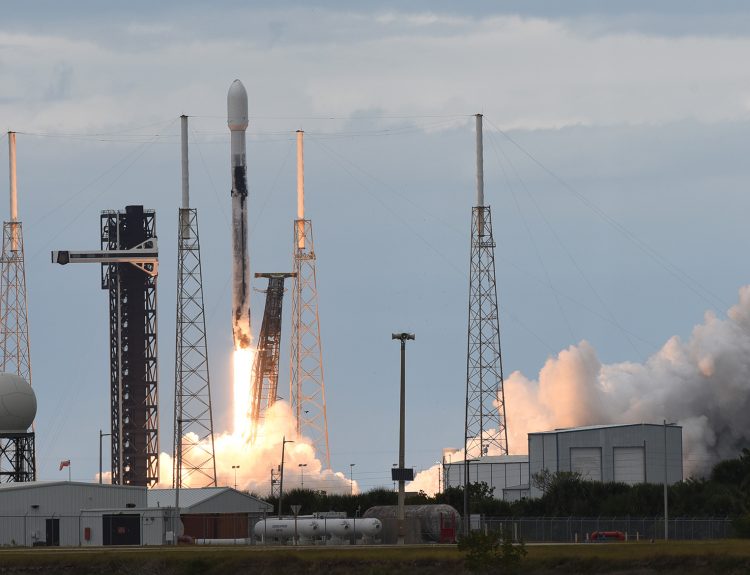
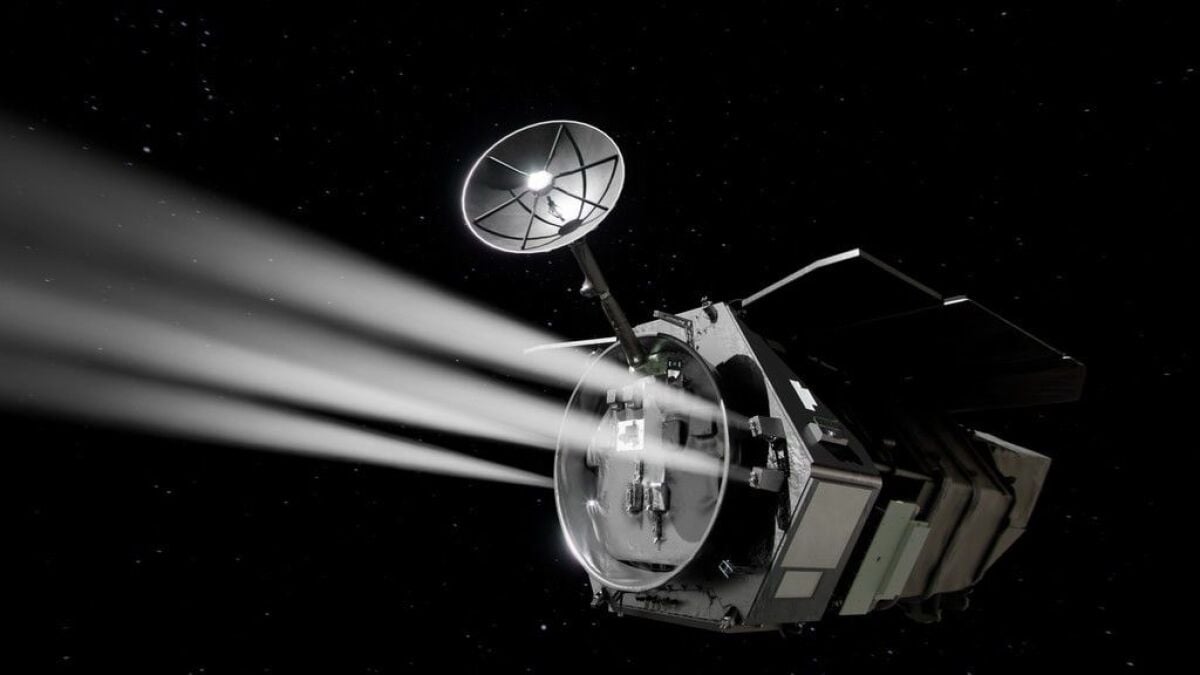
NASA’s latest mission, the Nancy Grace Roman Space Telescope, is on its way to a unique outpost in space, where it will gather groundbreaking data about some of the universe’s most significant mysteries.
Mission Overview
After a successful launch on August 30, 2023, the Roman telescope is progressing towards a point approximately 1 million miles from Earth, similar to the James Webb Space Telescope. The next three months will be dedicated to deploying its hardware, testing all systems, and tuning its capabilities before it begins its major observations in early 2027.
Launch Details
In the initial hours post-launch:
- The spacecraft positioned its solar panels toward the sun for energy.
- Ground teams activated critical systems, including communication.
- Roman made trajectory adjustments to ensure it correctly aligned with its destination.
This location, known as the second sun-Earth Lagrange point (L2), allows the telescope to maintain a steady orbit as it follows the sun.
Transition to Deep Space
The journey to L2 will take around 100 days, during which the mission controllers will execute several critical tasks:
- Unfolding side panels and a sunshield to protect the telescope from heat and light.
- Deploying a large antenna for scientific data transmission back to Earth.
- Systematic testing of all onboard systems to ensure reliability in space.
Commissioning Phase
As Roman nears its destination, the science team will start to power up the telescope’s instruments, including:
- The Wide Field Instrument, which captures stunning pictures in infrared.
- The Coronagraph Instrument, designed to block starlight for detecting faint planets.
Early test images may be released on NASA’s mission blog to provide a sneak peek into the telescope’s capabilities.
The Main Mission
Once commissioning is complete, NASA plans to unveil striking images in January 2027, showcasing its ability to:
- Map the distribution of matter across the universe with wide views of galaxies.
- Observe dense star fields to discover hidden planets.
In its five-year primary mission, the Roman telescope will:
- Map over a billion galaxies to study dark matter and dark energy.
- Monitor selected sky areas for changing events like supernovae.
- Search the Milky Way’s center for planets, including independent “rogue” worlds.
The Roman Space Telescope is designed for a potential extension of its mission, allowing for possible refueling in future missions to extend its operational life.
For more updates and details, readers can check out NASA’s mission blog and follow Mashable for ongoing coverage of this groundbreaking project.