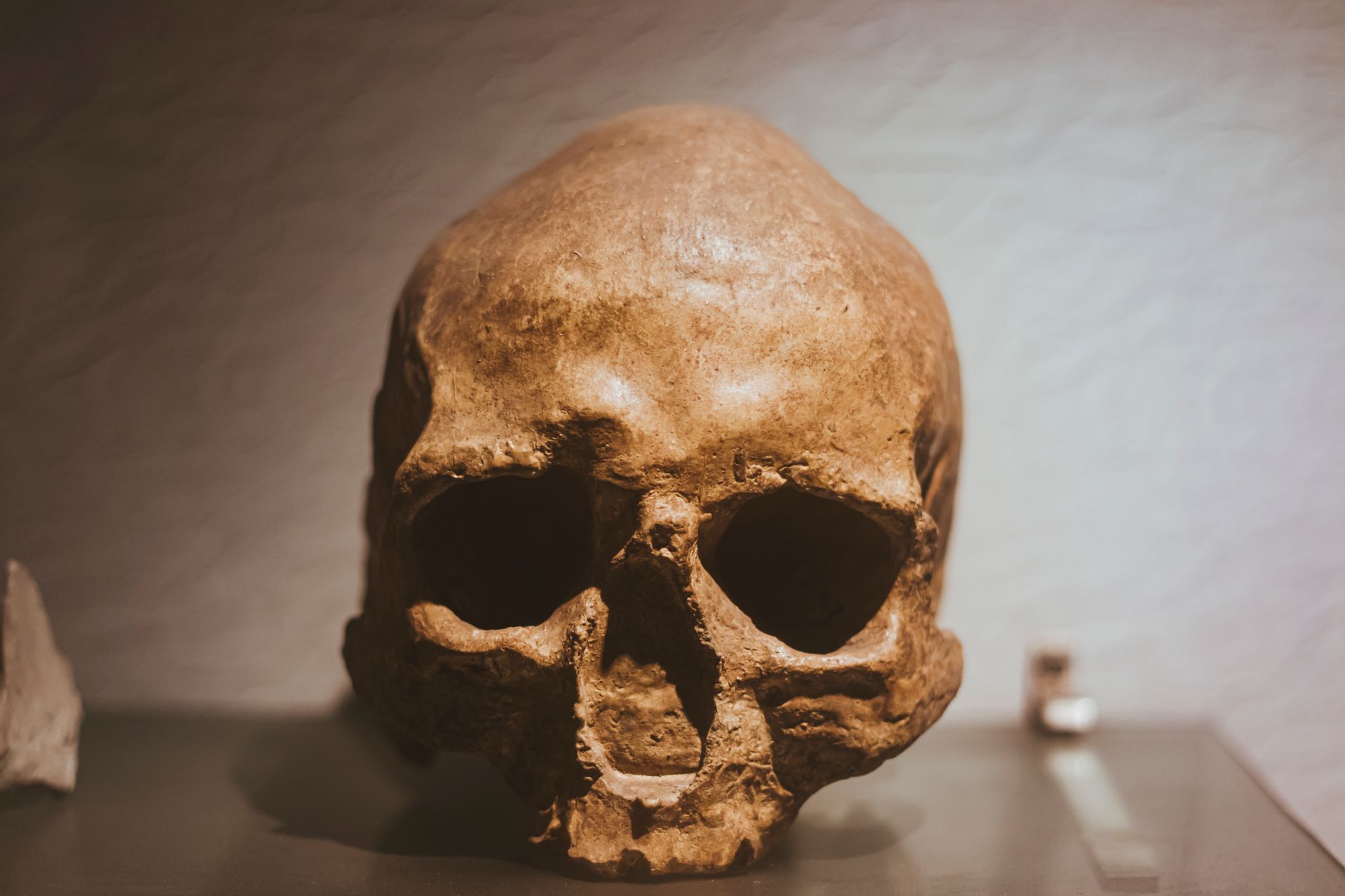
The study led by Yulin Zhang and Arjun Biddanda, published in 2026 in Science, reveals a significant genetic encounter in Africa between modern humans and a previously unidentified ancient lineage. This research emphasizes that while no sequenced genome exists for this ancient group, analyses indicate they contributed approximately 0.49% to 1.1% of the genomes in the populations examined.
Key Findings:
-
Ghost Ancestry: This ancestry, referred to as “ghost lineage,” reflects genetic contributions without an existing reference genome to compare. The study utilized a method called TRACE, which analyzes ancestral recombination graphs to identify these contributions.
-
Population Samples: The study analyzed genomes from the 1000 Genomes Project, focusing on five groups: British, Han Chinese, Indian Telugu, Yoruba, and Luhya, finding the unknown ancestry in all sampled populations.
-
Timing of Admixture: The new ancestry is believed to have contributed to modern humans before the major migration out of Africa, around or before 50,000 years ago.
-
Claims of Divergence: The estimated divergence between the unknown group and modern humans’ ancestors occurred approximately 830,000 years ago, indicative of a complex evolutionary web in Africa rather than straightforward lineage separations.
-
Lack of Physical Evidence: The authors cannot identify the species connected to this ghost ancestry, suggesting possibilities like Homo heidelbergensis, yet emphasizing that this remains a hypothesis due to a lack of direct genetic matches.
-
Distribution and Scope: While the ghost ancestry appears in both African and non-African populations, its detection is more pronounced in sub-Saharan Africans, likely due to higher genetic diversity within these groups.
-
Implications for Future Research: The study signals the need for better recovery of ancient DNA from Africa, which faces preservation challenges due to environmental factors. More data from diverse populations could help elucidate the broader scope of ancient ancestry.
In conclusion, the research sheds light on the complexity of human ancestry and suggests significant but currently unidentified interactions among ancient human groups in Africa. The findings call for continued exploration into the genetic legacy of ancient lineages in shaping modern human diversity.