SpaceX Starship Launch & NASA Crew-13 Mission
🚀 SPLASHDOWN:
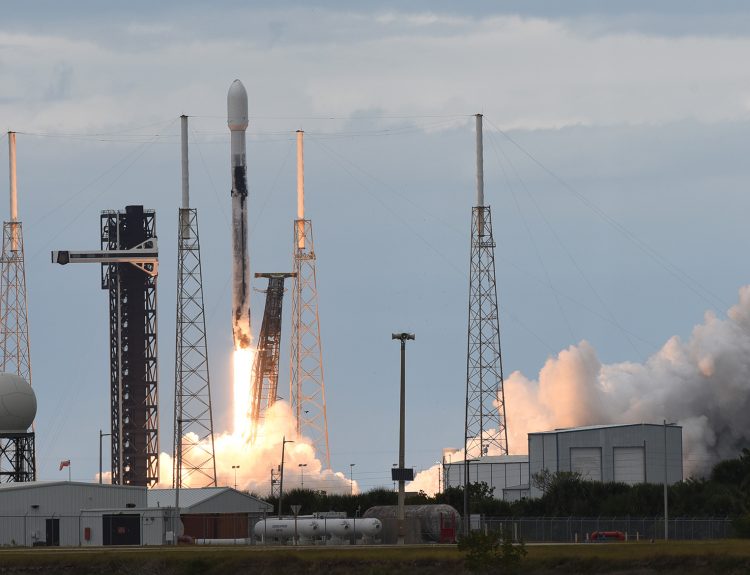
The SpaceX Starship successfully completed its 14th flight by launching and landing in the Pacific Ocean, while also delivering the first-ever 26 V3 Starlink satellites.
The Takeaways:
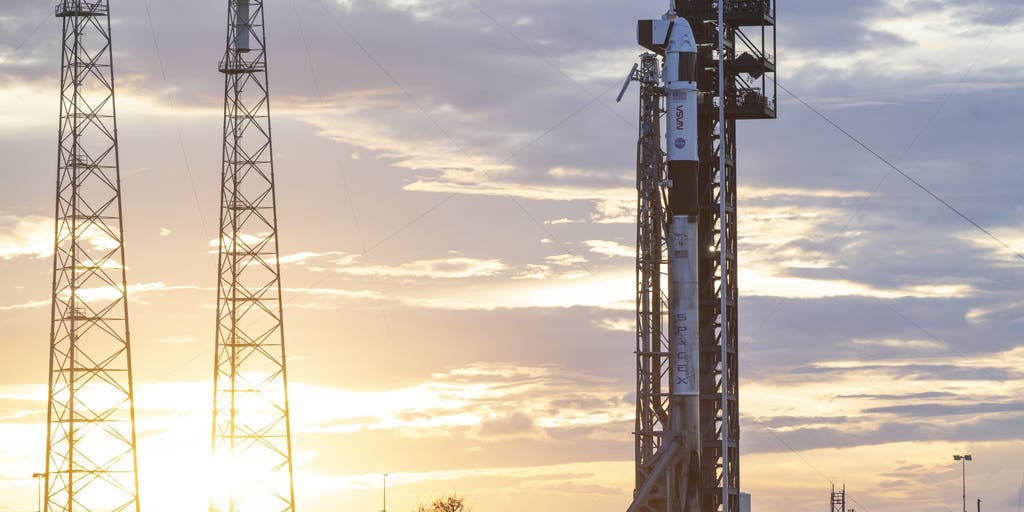
- NASA’s Crew-13 Mission: Set to launch to the International Space Station (ISS).
- Launch Details:
- Time: 11:10 a.m. ET
- Location: Space Launch Complex 40, Cape Canaveral Space Force Station, Florida.
- Docking: Planned for around 7 p.m. ET.
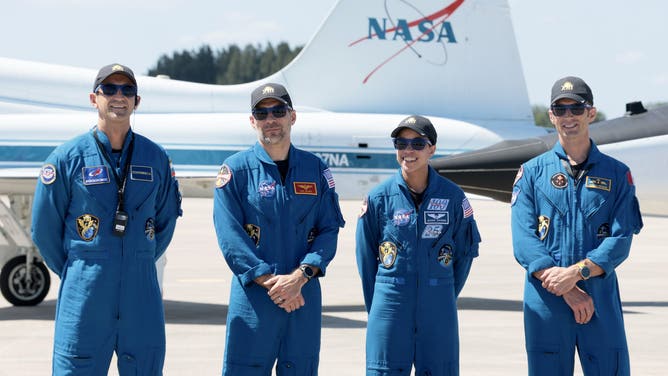
- Astronaut Crew:
- NASA astronauts: Jessica Watkins and Luke Delany
- Canadian Space Agency astronaut: Joshua Kutryk
- Roscosmos cosmonaut: Sergey Teteryatnikov
- Mission Goals: Conduct scientific experiments aimed at advancing research for future lunar and Martian missions, along with improving life on Earth.
Key Information:
- The crew’s research aims to treat heart disease and Parkinson’s, improve crop production for space missions, and enhance blood-flow study in space.
- This mission marks the 13th crewed flight under NASA’s Commercial Crew Program.
- After lift-off, the spacecraft will travel at approximately 17,500 mph before autonomously docking with the ISS.
Images of the Launch:
-
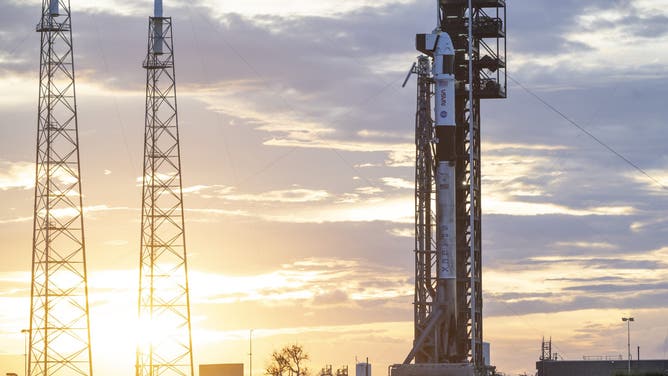
Crew Dragon Capsule
-
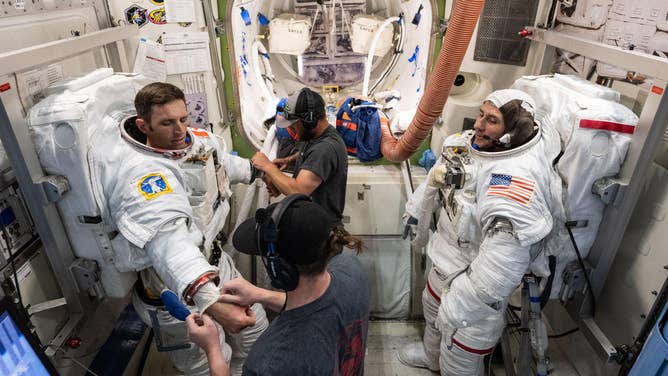
Astronaut Training
-
Crew Members Arrival
The Crew-13 mission is also set to engage in various resupply missions to the ISS later this year.