The article highlights a concerning trend in the UK: a record number of pets, particularly dogs, are ingesting recreational drugs and requiring veterinary care. Last year, the UK’s emergency poison center for animals saw a surge in calls related to animals poisoned by substances like cannabis, cocaine, and nicotine.
Key Points:
-
Increased Drug Poisoning Cases: The Veterinary Poisons Information Service (VPIS) and Animal PoisonLine (APL) report a 42% rise in calls regarding recreational drug poisoning. Average daily calls now include cases of pets consuming drugs.
-
Popular Sources of Poisoning: Dogs are often getting into drug residues from public spaces—like parks or even human waste—and consuming discarded items such as nicotine gum or food laced with drugs.
-
Case Studies:
- Lola, a dog owned by Pamela Wesson, was poisoned after eating drug residues in a cemetery. Wesson highlights the dangers of allowing her dog to roam freely in areas known for such activities.
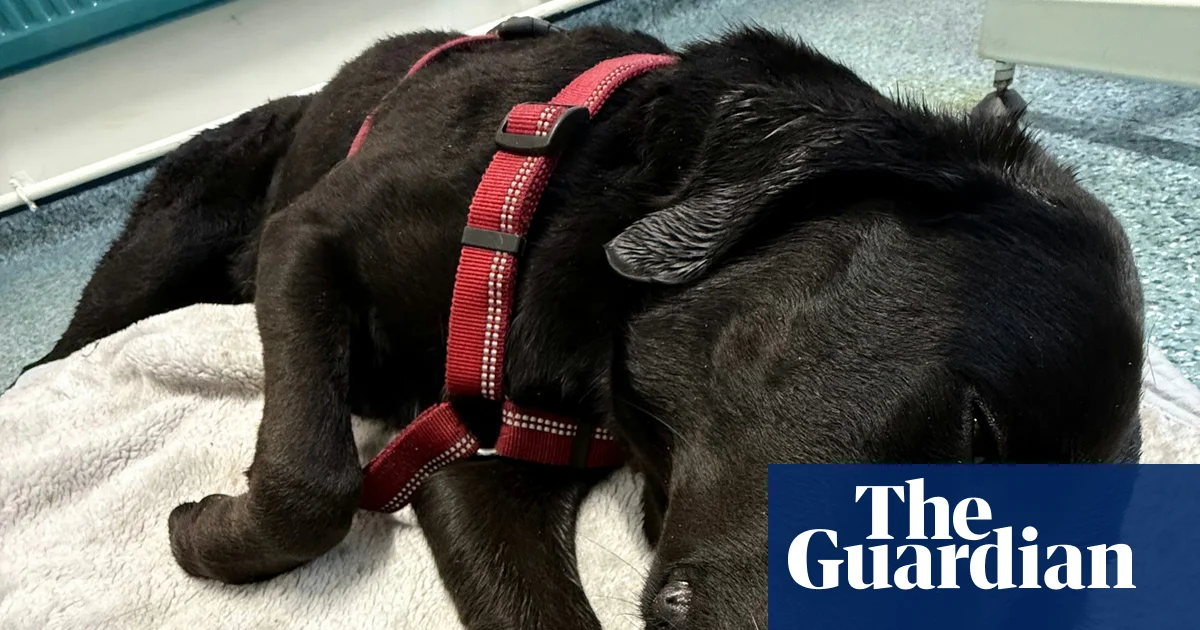
- Tokyo, a Labrador, was rescued from Ben Nevis after displaying severe symptoms attributed to cannabis ingestion. Thankfully, she recovered after treatment.
-
Veterinary Advice: Dr. Nicola Robinson from VPIS emphasizes the importance of immediate veterinary intervention if an animal is suspected of drug ingestion.
-
Call to Action: Pet owners are urged to be vigilant, particularly with breeds that are food-motivated, as they are at a higher risk of ingestion.
The overall message advocates for awareness and proactive measures to prevent pets from accessing harmful substances in their environments.