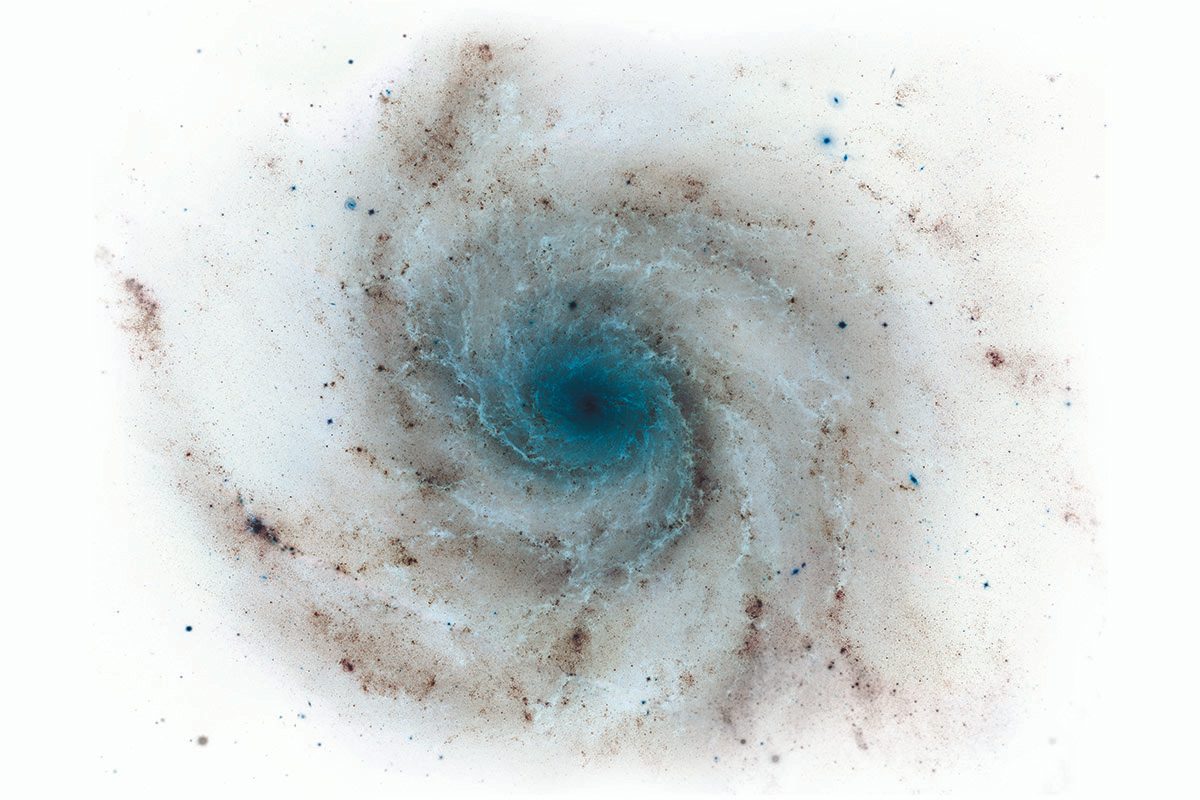
New Insights on Antimatter Production in the Milky Way
Recent research suggests that the Milky Way galaxy may produce two to three times more antimatter than previously estimated. This conclusion comes from a study of 20 years of gamma-ray observations, which indicate that antimatter could be escaping our galaxy before it annihilates in intergalactic gas clouds.
Key Findings
-
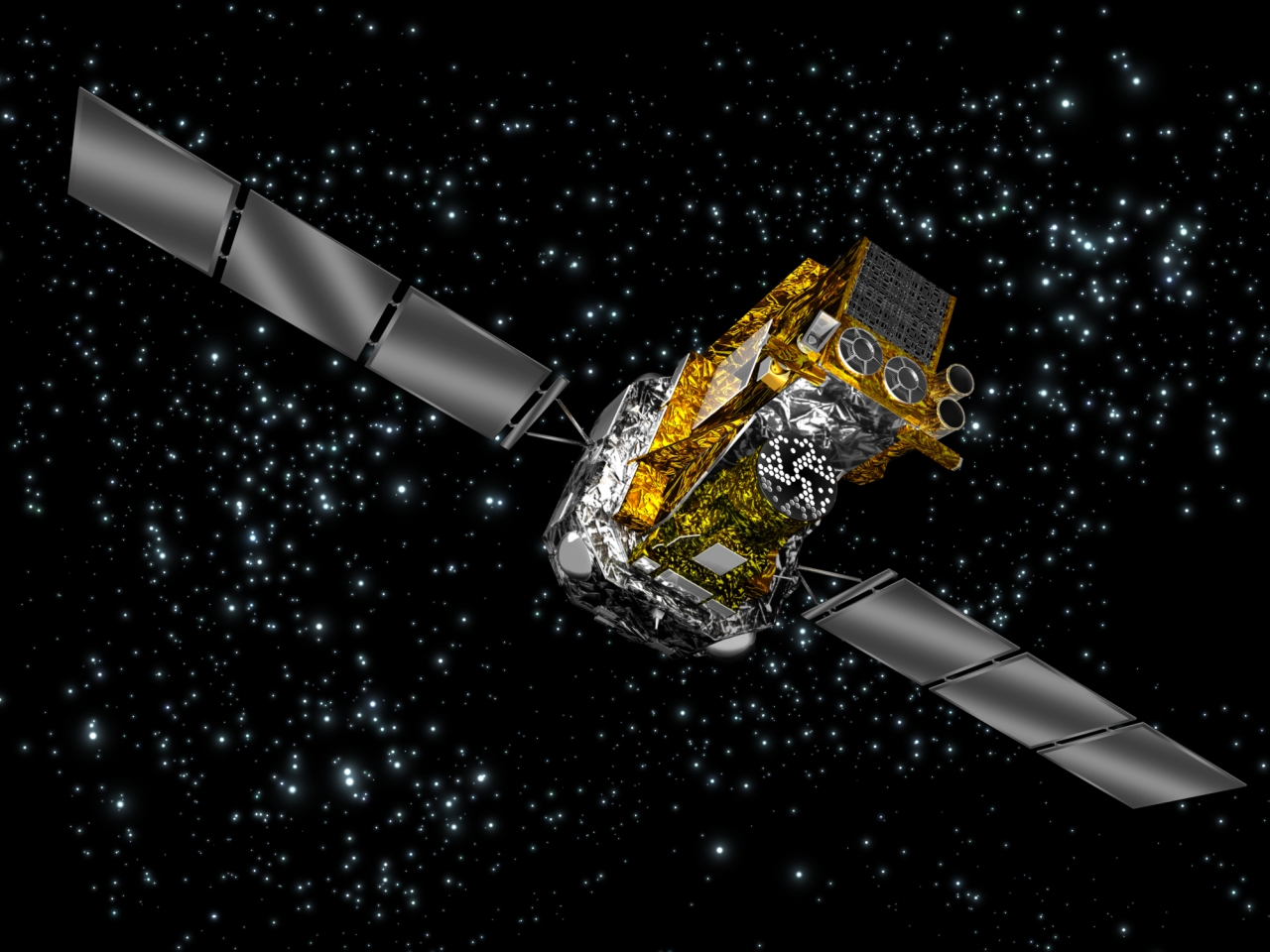
Gamma-ray Observations: Utilizing data from ESA’s INTEGRAL space telescope, researchers detected faint hotspots emitting 511 keV gamma rays, which are released when positrons (the antimatter equivalents of electrons) annihilate with regular matter.
-
Source of Positrons: While most gamma emissions have been traced back to the Milky Way’s central region, the exact origins have remained unclear. Current known sources, such as radioactive materials from stars, haven’t adequately explained the positrons observed.
-
Traveling Positrons: The study hypothesizes that some positrons are produced within the Milky Way but travel outward before annihilating, indicating that existing measurements may have underestimated our galaxy’s true antimatter production.
Next Steps
-
The signals detected are faint and still require confirmation. A potential breakthrough could come from NASA’s Compton Spectrometer and Imager (COSI), set to launch in 2027. If the hotspots are confirmed, it could significantly alter our understanding of antimatter production in the Milky Way.
-
Additionally, some observed hotspots might even originate from galaxies outside our own.
Conclusion
As we gather more data and refine our understanding of antimatter in the Milky Way, the implications for astrophysics and cosmology could be profound, potentially reshaping our knowledge of particle physics and the universe.
For more information, you can read the full research in Astronomy & Astrophysics here.


