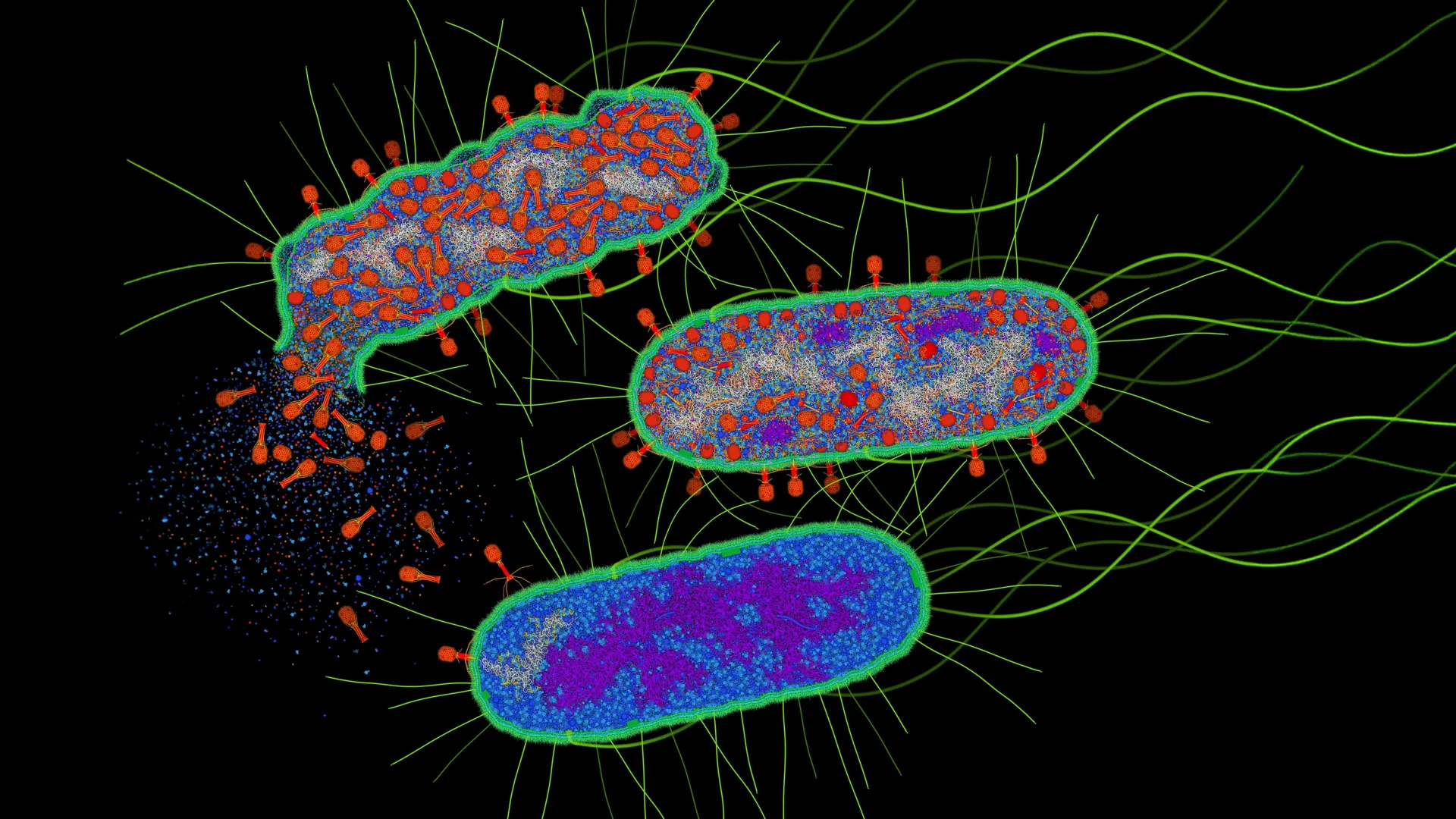
The article discusses the increasing interest in bacteriophages (phages) as a potential treatment for bacterial infections, particularly those that have developed antibiotic resistance. Phages specifically target bacteria without harming human cells, which makes them a promising therapeutic option.
However, bacteria have evolved complex immune systems to defend against phages. Recent research identified a mechanism by which bacteria recognize viral attacks by detecting viral enzymes that damage a crucial sensor molecule within the bacterial cell. This alerts the bacterial immune system, triggering a defensive response known as CBASS, which can cause the infected bacterium to self-destruct to prevent the virus from spreading.
The study reveals that certain phage proteins, particularly proteases, directly interact with bacterial proteins to activate this immune response. This mechanism differs from other antiviral immune systems that typically recognize viral genetic material. The findings suggest a shared evolutionary history between bacterial and human immune systems, providing insights into the fundamental processes of immunity across species.
Overall, the research underscores the significance of understanding bacterial defenses to improve phage therapy, while also highlighting the evolutionary connections between bacteria and humans in maintaining these immune pathways. The study’s results were published in the journal Science and were supported by various research organizations and funding bodies.


