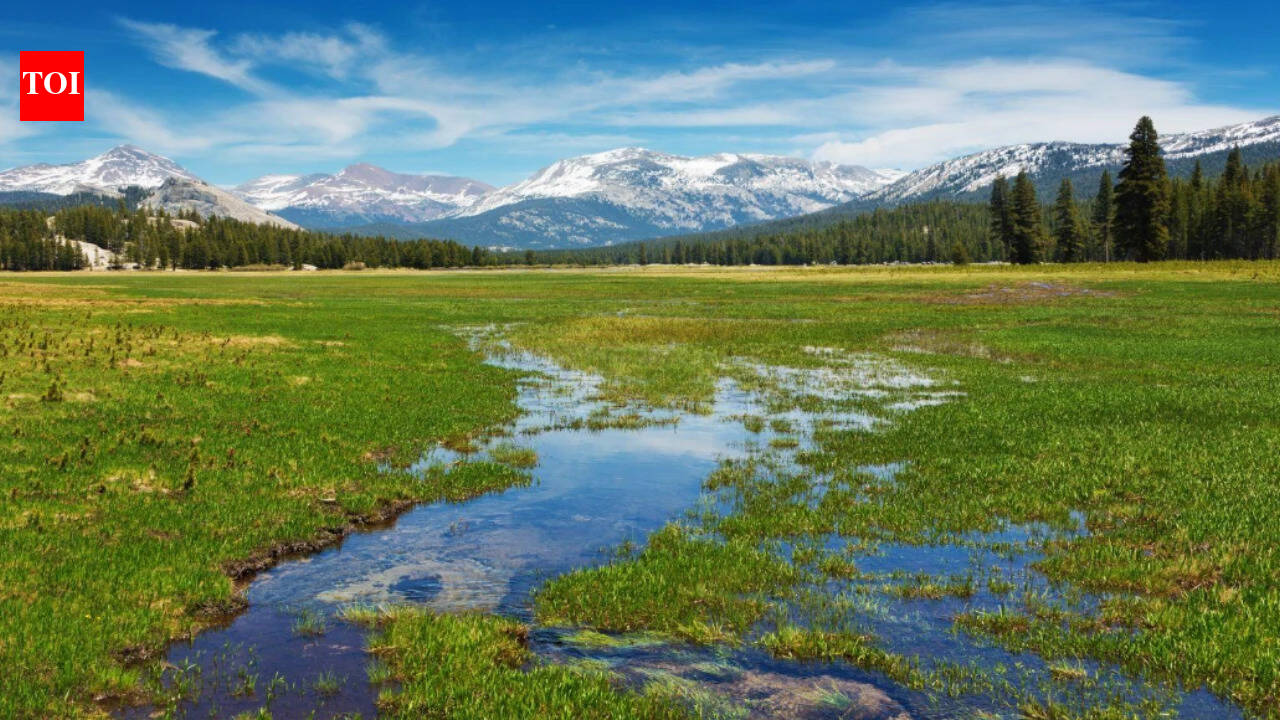
Scientists have made headway in restoring Tuolumne Meadows in Yosemite National Park by planting 40,000 native sedge seedlings. Despite signs of improvement in soil organic matter after three years, the meadow is still losing more carbon than it gains. This initiative aims to reverse damage from historic sheep grazing, which severely depleted native vegetation, affecting the meadow’s ability to retain moisture and store carbon.
Research led by Colorado State University highlights that while organic matter is gradually increasing, the overall condition remains degraded. The original deep-rooted plants that supported soil health have not naturally returned, leading to ongoing carbon losses and drier soil conditions. The restoration process is expected to take between 25 and 50 years to fully restore the meadow’s ecological balance. David Cooper, the study’s lead author, emphasizes that visible vegetation does not always indicate a healthy ecosystem, and systematic restoration efforts are key to recovery.


