LIHEAP Heating Benefits May Fall Short This Winter
As winter approaches, nearly 5 million U.S. households that rely on the Low Income Home Energy Assistance Program (LIHEAP) may face challenges in covering their heating bills due to rising energy costs.
Rising Heating Costs
-
Households are expected to spend an average of $1,030 to heat their homes this winter, an $82 increase from last year (National Energy Assistance Directors Association).
-
The average LIHEAP benefit received by households in fiscal year 2025 was $467. If benefits remain similar, families could be left with over $500 in additional heating costs.
-
NEADA is advocating for Congress to increase LIHEAP funding from $4 billion to $7 billion to assist families in managing these expenses.
Impact on Households
The increase in heating and electricity bills could significantly impact families’ budgets, leaving less money for essentials like food, housing, and transportation.
Mark Wolfe, NEADA’s executive director, warns that many families are entering winter with no financial buffer.
Current Market Conditions
The projected increase in heating costs is tied to crude oil prices remaining above $100 a barrel, exacerbated by conflicts in the Middle East disrupting global oil supplies. Households depending on heating oil may face costs rising by 50%.
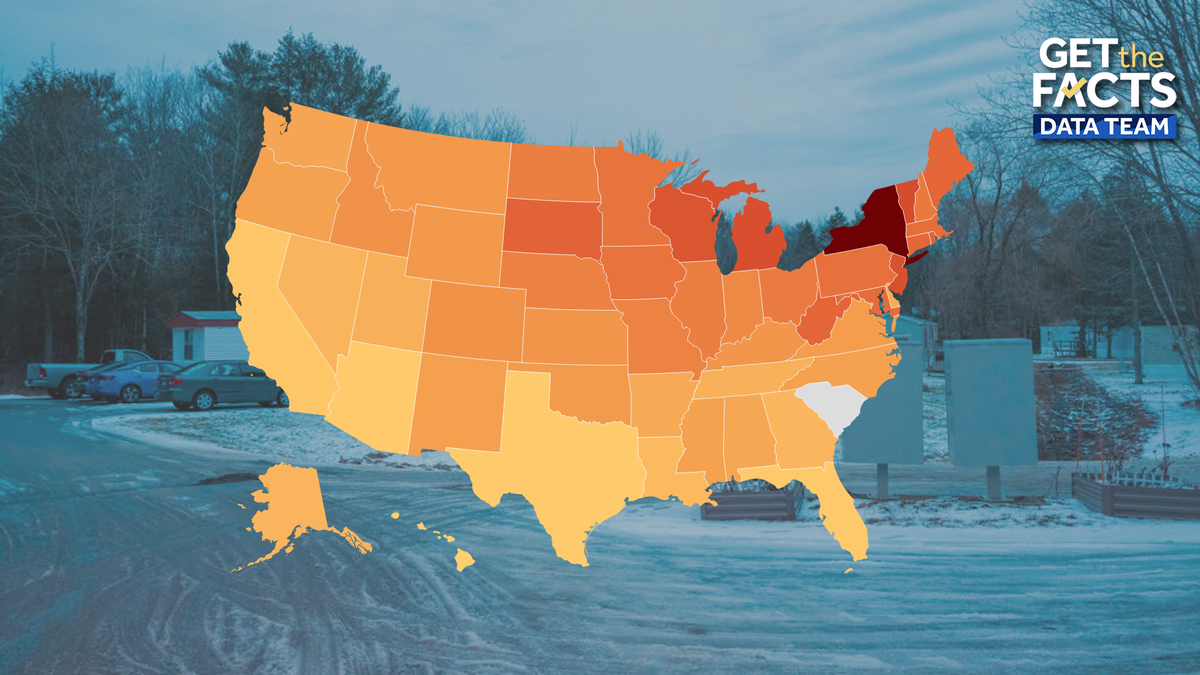
LIHEAP Enrollment by State
In fiscal year 2025, 14% of households in New York utilized LIHEAP benefits—more than any other state. Vermont and Michigan each have nearly 8% of households enrolled. The average benefit varies by state, with Alaska receiving the highest at $1,554 and New Hampshire at $1,045.
Households in the Northeast are projected to spend around $2,627 on heating oil from mid-November through mid-March, which could leave them with over $1,000 to cover out of pocket after LIHEAP assistance.
Conclusion
As the winter season approaches, families enrolled in LIHEAP need to prepare for potentially daunting heating costs, especially with rising energy prices and an uncertain economic landscape.


