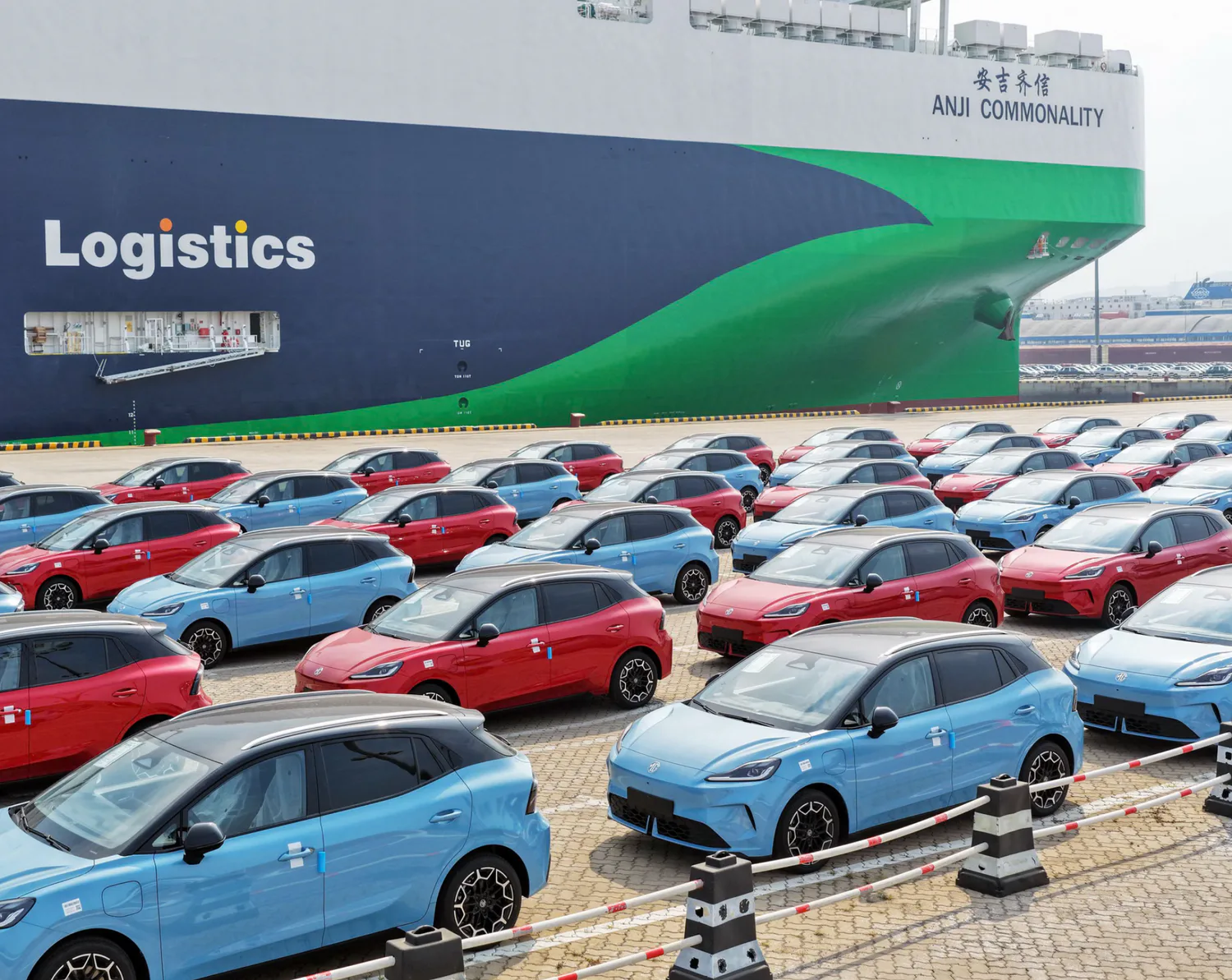
The UK automotive industry is currently navigating a challenging situation regarding its trade relationships with China and the EU. London has opted not to impose tariffs on Chinese cars, a decision that could potentially strain its trade with the EU, which has enacted tariffs of up to 45% on similar imports. The US, on the other hand, has nearly completely restricted imports of inexpensive Chinese vehicles.
The EU has warned UK officials, specifically mentioning Andy Burnham, that failure to impose these tariffs might lead Brussels to impose its own protective measures on British exports, adversely impacting British car manufacturers who rely heavily on the EU market. Despite these warnings, UK ministers, including Business Secretary Jonathan Reynolds, are hesitant, worrying about reciprocal tariff implications that could lower sales in China.
Recently, sales data shows that Chinese automakers, such as BYD, Omoda, and Jaecoo, have significantly increased their presence in the UK market, accounting for 12% of new car sales within the first eight months of 2026. This growth aligns with a broader increase in new car registrations in the UK, driven largely by electric vehicle demand.
This situation showcases the complexities of international trade relations in the automotive sector, particularly around the contrasting approaches the UK, EU, and US are taking concerning Chinese imports and their own domestic markets.

