The content discusses the challenges and realities of high-speed rail in the U.S., emphasizing its historical significance and current state.
-
Historical Context: American railroads were once a global benchmark but have struggled for over 50 years.
-
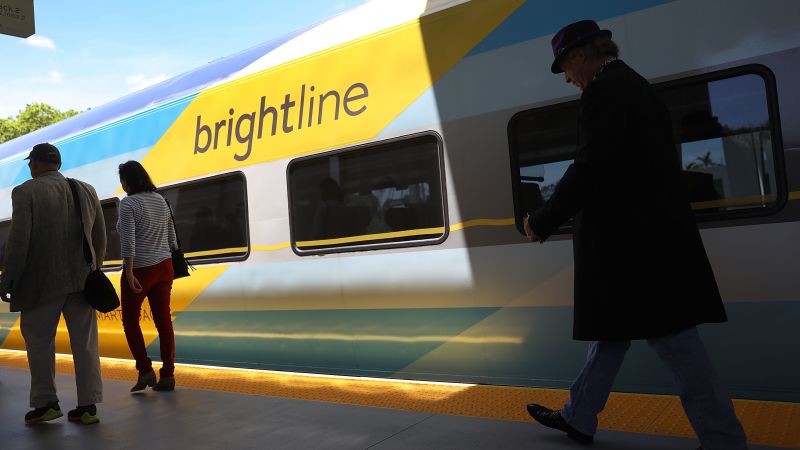
Brightline Initiatives: Founded in 2012, Brightline aims to enhance rail travel in Florida with plans for a high-speed route from Las Vegas to California. Despite filing for bankruptcy, it continues operations and expansion plans.
-
Global Comparison: Many countries have established high-speed rail systems, contrasting sharply with the U.S., which lacks trains meeting global high-speed definitions.
-
Cultural and Financial Barriers: The automobile culture and insufficient government funding have hindered the development of high-speed rail. Industries like auto and aviation have influenced infrastructure investment away from rail.
-
Geographic Challenges: The large distance between U.S. cities makes rail less competitive compared to air travel for longer trips.
-
Limited Current Services: The U.S. has few high-speed rail options. Brightline’s service reaches up to 125 mph, while Amtrak’s Acela can hit 160 mph, but both face operational limitations.
-
Future Prospects: Despite setbacks, advocates remain optimistic for high-speed rail’s potential, emphasizing the need for significant government support to realize its benefits, including improved safety and environmental impacts.
The content reveals a complex interplay of historical, cultural, and economic factors influencing the future of high-speed rail in America.


