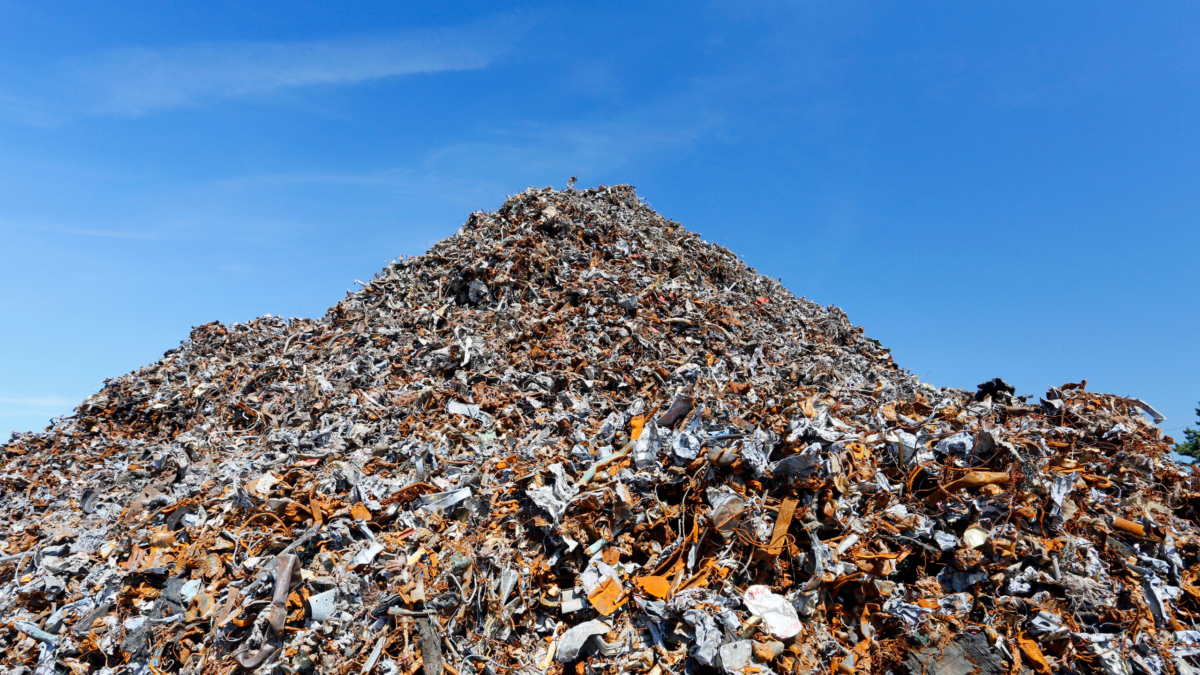
Win-Win-Win: Recycling Steel Slag for Sustainable Pavements
A promising new analysis highlights the benefits of using previously discarded industrial waste—steel slag—to create more sustainable road pavements. This innovative approach could significantly reduce greenhouse gas emissions, improve air quality, and potentially save lives.
What is Steel Slag?
Steel slag is a byproduct formed during the steel-making process, consisting primarily of silicon dioxide and metal oxides. It can be transformed into a steel slag epoxy asphalt mixture (SEAM), which is particularly suitable for road construction due to its strength and unique angular structure.
Environmental Benefits
- Reduced Emissions: Transitioning from traditional asphalt to SEAM could lead to a substantial decrease in both greenhouse gases and air pollutants.
- Longer Lifespan: SEAM-based roads are designed to last longer than conventional pavements, which translates to less frequent repairs and associated emissions.
- Fuel Savings: As roads deteriorate, vehicles consume more fuel. More durable materials mean reduced fuel use and lower vehicle wear-and-tear.
Economic Advantages
Replacing asphalt with SEAM could save an estimated 3.48–15.01 trillion Chinese Yuan (approximately $519 billion to $2.24 trillion) over time, according to the study.
Health Implications
The researchers project that reducing fine particulate pollution could prevent between 31,802 and 128,980 premature deaths associated with conditions worsened by PM2.5 exposure, such as heart disease and lung cancer.
Global Impact
The potential benefits extend beyond China; other rapidly urbanizing economies with significant steel production could also take advantage of SEAM technology to meet their transport demands sustainably.
Challenges Ahead
While the promises of SEAM are compelling, logistical challenges remain, including transportation of the steel slag and the seven-day curing process required before the pavement can be opened to traffic.
Conclusion
Although the upfront costs of SEAM may be higher, the long-term benefits—economic savings, environmental gains, and improved public health—could make it a superior choice for urban infrastructure in the future.
The research is detailed in the study published in Communications Earth & Environment.


