Trail of Tears Commemorative Ride: Honoring Native American History
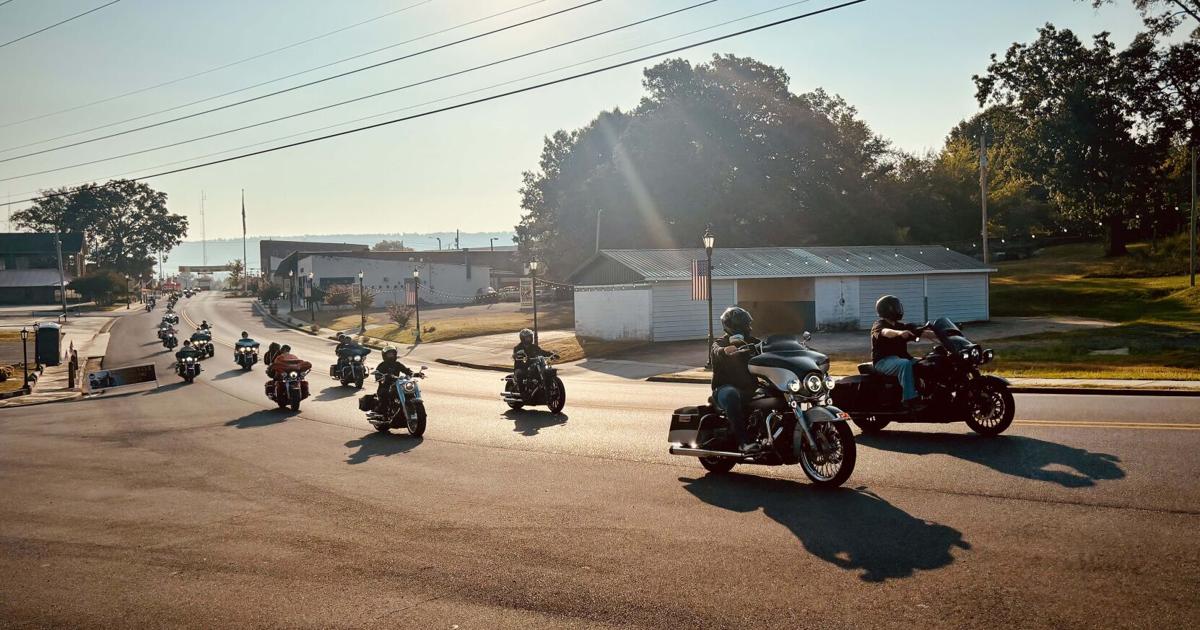
On Saturday, September 19, downtown Bridgeport buzzed with energy as hundreds of bikers gathered for the annual Trail of Tears Commemorative Ride. Riders journeyed over a hundred miles to Waterloo, Alabama, but their purpose extended beyond the thrill of motorcycling; they united to remember the suffering of Native Americans who walked the Trail of Tears.
A Legacy of Loss
Estimates suggest that 10,000 to 15,000 Native Americans from the “Five Civilized Tribes” perished during this forced relocation, which has been aptly named the Trail of Tears due to the immense hardships faced by the affected tribes. This dark chapter in history prompts the riders to create awareness and honor the lives lost.
The Birth of a Tradition
Rudy Rainwater, one of the event’s founders, shared that the motorcycle ride originated when Jerry Davis researched his family lineage and discovered that his grandmother had been Cherokee. Inspired, Rainwater recalled, “Jerry says, ‘How can I bring awareness of what happened?’ and I told him that anytime I want to bring attention we have a bike ride.” The inaugural ride saw just eight riders leave Chattanooga, but by the end of their journey, 104 bikers had joined them. Their aim was to honor the 4,000 Cherokees who lost their lives.
Personal Connections
Rainwater, a Native American himself, shared the significance of the event: “Geronimo is my great great great grandfather. We wanted to bring public awareness of what had happened in history.” His emotional connection was palpable as he reflected on the journey, emphasizing the importance of remembrance.
Riders with Stories to Tell
Many participants traveled from afar to honor the event. Chris Vaughn, a Navy retiree from South Alabama, expressed, “I wanted to show my pride for what they did and what they went through.” Frank Hunt from Trenton, Georgia, also reflected on personal ties, noting that his great-great-grandmother was Choctaw and had walked the Trail of Tears.
Veteran rider John Marcum articulated his ongoing commitment to the event: “I think this is a great thing to do to remember their agony. Having to walk that far? I couldn’t have done it. I would have been one of the ones who died.”
Community Engagement
Event coordinators like Steve Gill and Len Colvin emphasized the importance of remembering history. While Gill enjoyed observing rather than riding, Colvin remarked, “We don’t need to forget what happened in the past,” highlighting the value of recent initiatives that included Native American demonstrations at local schools.
Conclusion
The Trail of Tears Commemorative Ride serves as an invaluable homage to a painful chapter in American history, ensuring that the struggles and losses of Native Americans are not forgotten. Each rider, whether on the road or as a supporter, plays a vital role in keeping this history alive.