Introduction
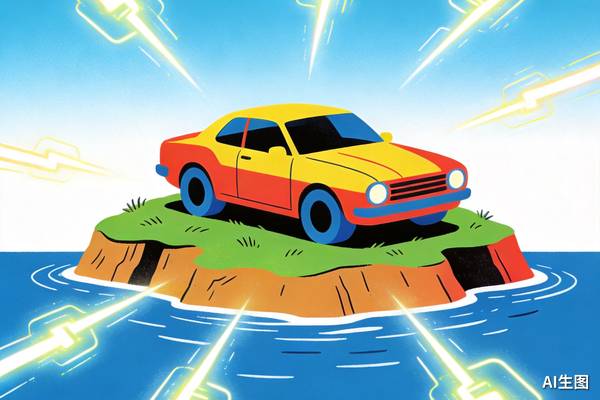
While the world rapidly advances in electric vehicle (EV) development, the United States stands as a notable outlier. Stellantis CEO Antonio Filosa highlighted this division at an analyst meeting, where he noted that the U.S. automotive market is distinctly separate from other regions worldwide.
Stellantis, a global automotive group overseeing brands across Italy, France, and the U.S., faces unique challenges in the U.S. market, dealing with distinct trade and regulatory environments. This divergence affects product development, as consumer preferences and regulations in the U.S. starkly contrast with those elsewhere, such as Europe or China.
Filosa emphasized that U.S. automakers largely depend on local engineering and R&D capabilities, contrasting with European operations, which often involve partnerships with other automakers, including those in China. However, these partnerships have drawn criticism from U.S. officials in the past, particularly in light of prior administration’s scrutiny over joint ventures with Chinese companies.
The US Hits the Brakes
The global surge in EV sales has not extended to the U.S. According to the International Energy Agency, global EV sales skyrocketed by 20% in 2025, surpassing 20 million units, with electric vehicles making up a quarter of all new cars sold. In stark contrast, U.S. sales dropped by 2% last year, primarily due to rising fuel prices that prompted consumers to shift towards electric alternatives.
However, a glaring issue persists: the limited availability of affordable EV options, particularly in the economy segment. Additionally, steep tariffs—100% on Chinese vehicles and 25% on all imports—skew the competitive landscape, making the U.S. market more challenging.
In September, a key policy that provided a $7,500 subsidy for new energy vehicle purchases expired, further stifling sales. The combination of increasing tariffs on imports and reduced federal incentives has contributed to a dramatic decline in U.S. EV sales, with reports indicating drops as severe as 36% year-on-year in the fourth quarter of 2025.
Meanwhile, markets like the EU and Canada have opened doors to Chinese EVs, contrasting starkly with the U.S. stance. This regulatory divergence has fostered significant growth in EV adoption abroad, while the U.S. remains locked in a cycle of high prices and limited choices, leaving consumers increasingly frustrated.
The Rest of the World is Racing Ahead
Despite the U.S. downturn, global electric vehicle sales showed remarkable resilience and growth trends in 2026, as evidenced by the market dynamics in Europe and Asia. The EU experienced a stellar month in August 2026, with a 36% year-on-year growth in EV sales, underscoring its commitment to advancing sustainable transportation. Meanwhile, China’s market, despite a moderate dip in year-on-year sales, maintained a robust share of the electric vehicle segment.
The increasing fragmentation of the global EV landscape is telling. While Europe and other markets thrive under supportive policies, the U.S. faces the repercussions of expiring incentives, leading to a subdued market. The implications of this are profound, especially as low-cost Chinese EVs become increasingly popular overseas, solidifying their competitive edge.
In conclusion, while the rest of the world presses forward in the realm of electric vehicles, the U.S. must confront stark realities: rising competition, shifting consumer expectations, and the pressing need for reform to foster a more robust automotive landscape. As global demand continues to flourish, U.S. automakers are urged to adapt and innovate, ensuring they remain relevant in a rapidly evolving industry.

