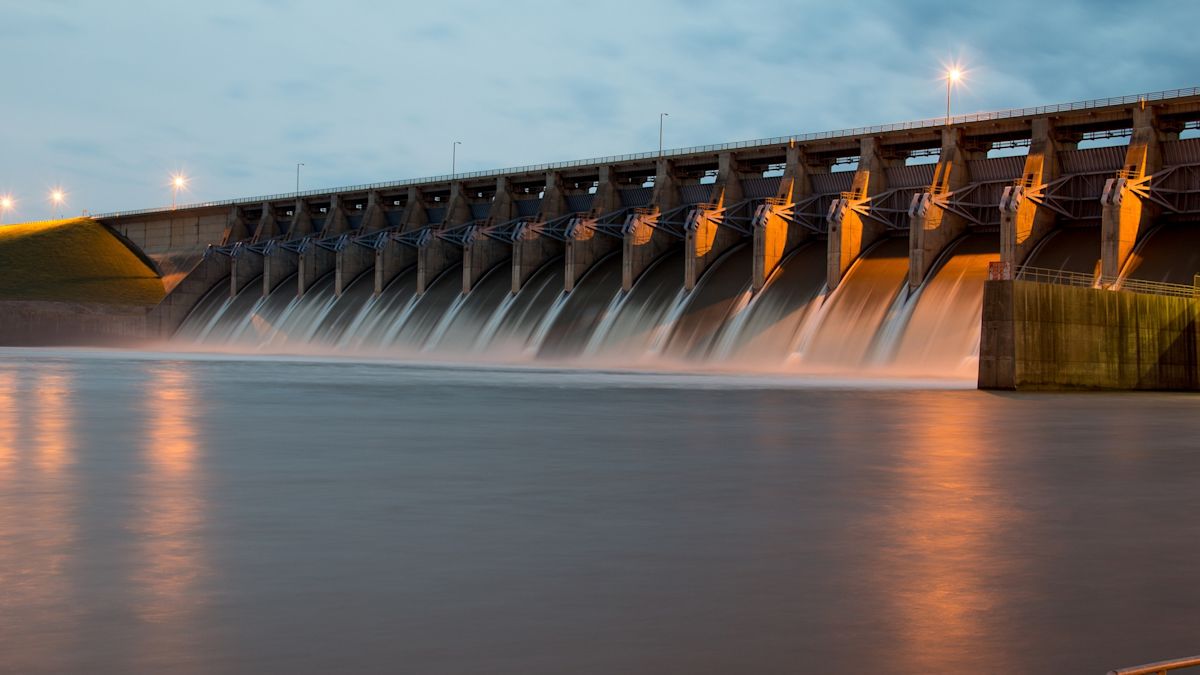
Residents near Cedar Lake, Oklahoma, are facing a water crisis as reports indicate falling water levels in the lake. The Oklahoma Water Resources Board asserts that two upstream dams are not the cause, attributing the decline to shrinking aquifer levels and domestic wells instead.
Local residents claim their wells have run dry, with some believing the dams—particularly one built in 2019—are contributing to the lake’s diminishing inflow. An independent hydrologist, Carol Becker, challenges the state agency’s conclusions, arguing that nearly 40% of the watershed runoff that would replenish Cedar Lake is being captured by these dams.
The situation escalates further amid concerns about the influence of politics, given ties between the dams’ owner, V. Glenn Coffee, and local authorities. As the residents fight for accountability and action regarding the dams, they emphasize that the dispute represents broader issues of fairness and access to resources, as smaller communities often feel overlooked.
The ongoing debate underscores the complexity of water management and the significant impact of dam structures on local ecosystems and water supplies, with residents calling for clearer assessments of the dams’ effects.


