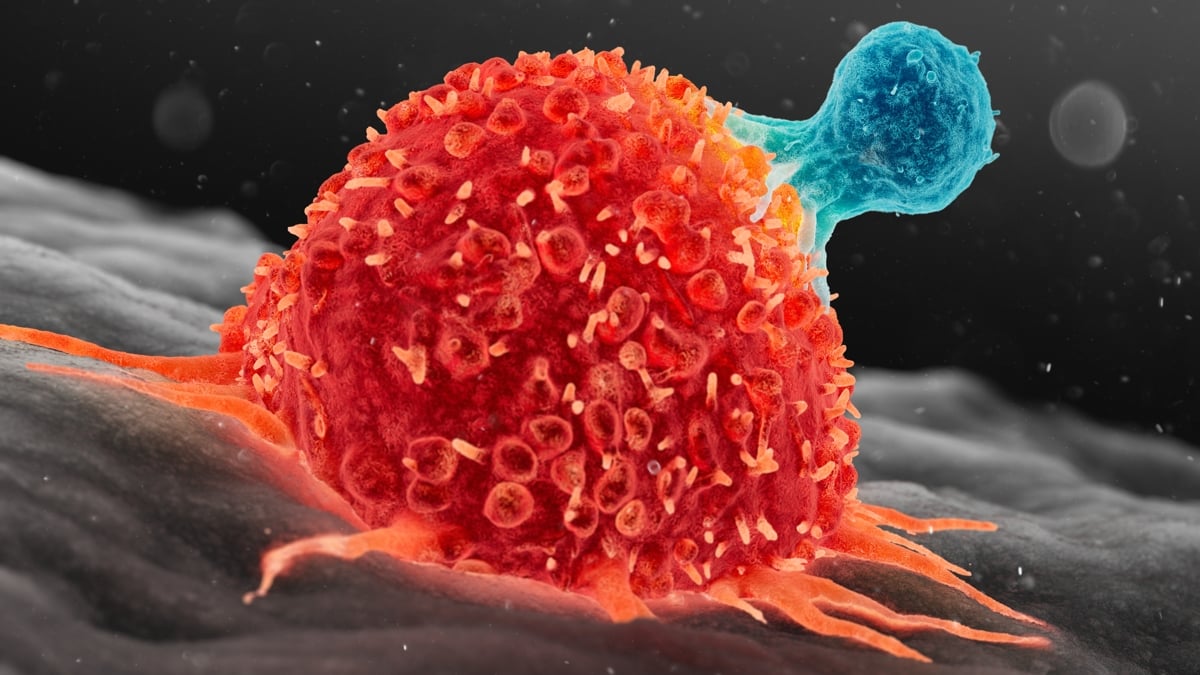
A significant breakthrough in cancer treatment has been reported with the use of Chimeric Antigen Receptor (CAR) T cell therapy. This immunotherapy technique involves reengineering a patient’s immune cells to target and attack cancer cells. Traditionally effective against blood cancers, recent successes have also emerged in addressing solid tumors.
An inspiring case described in The New England Journal of Medicine showcases a three-year-old boy with hepatoblastoma, a type of liver cancer. After undergoing conventional treatments without success, he participated in a clinical trial that utilized a novel CAR T cell therapy targeting glypican-3, a protein prevalent in liver cancers.
The boy received two doses of the engineered therapy, leading to remarkable results: scans revealed no remaining signs of cancer, and after a year, he remained disease-free. This case underscores the potential for CAR T cell therapy in treating solid tumors and highlights the need for continued research in this area, especially for patients with GPC3+ solid tumors.
The promising outcomes encourage further exploration and testing in trials like the CARE study. The findings are significant, especially considering liver cancer is a leading cause of cancer-related death globally.
For more details, you can read the full report published in The New England Journal of Medicine.


