The Challenges and Opportunities of African Aviation in Light of Recent Conflicts
The eruption of conflict in the Middle East in 2026 has led to significant disruptions in the Gulf airspace, impacting global aviation networks, including Africa. This situation has brought to light a long-standing issue: Africa’s reliance on external transit hubs for both international and intra-African connectivity.
Current Landscape of African Aviation
Many African travelers are compelled to route through international hubs like Dubai, Doha, or Istanbul to reach their destinations within the continent. This dependency not only highlights the fragility of Africa’s aviation infrastructure but also underscores the urgent need for enhanced intra-African connectivity to improve operational efficiency and resilience.
Historical precedents remain influential, as colonial air networks prioritized connections to European capitals. Even post-independence, African states have established national carriers, yet many routes have continued to favor former colonial powers. Research indicates that Africa is endowed with immense aviation potential, yet fragmented markets and weak connectivity have resulted in a reliance on foreign airlines.
Economic Impacts of the Crisis
The Gulf crisis illustrates the economic vulnerabilities faced by African airlines. With disruptions forcing airlines to extend flight paths, there’s a rise in operating costs, including fuel and insurance premiums. These expenses inevitably get passed onto passengers and exporters, exacerbating an already challenging economic situation for African airlines, which face some of the highest operating costs globally.
In addition, African airlines struggle to maintain competitiveness against larger international carriers that benefit from economies of scale. As reliance on air cargo for exporting goods increases, any delays can negatively impact the quality of perishable products, hampering competitiveness in global markets.
Strategic Opportunities for Growth
Despite these challenges, the situation also presents opportunities. African hubs like Addis Ababa, Nairobi, and Johannesburg are in a prime position to capture more traffic if supported by coordinated air services and efficient visa regimes. However, successful transformation requires not only improved infrastructure but also strong institutional frameworks to manage and respond to crises effectively.
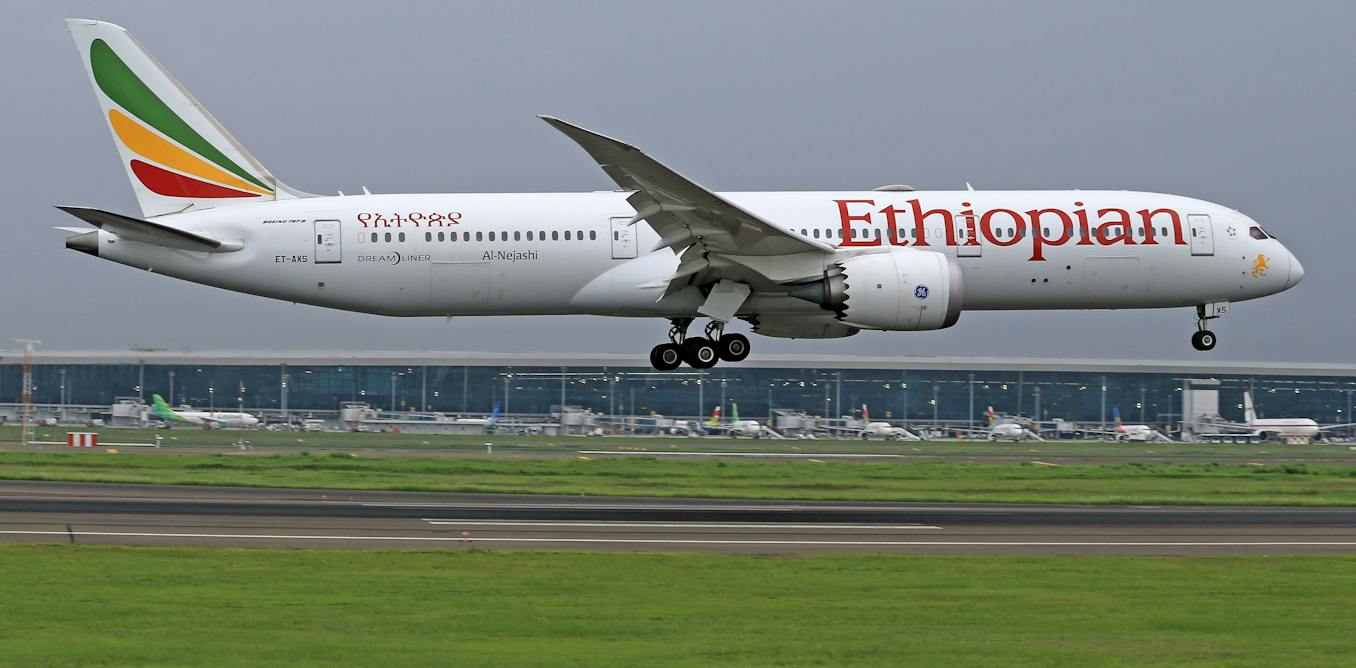
Ethiopian Airlines exemplifies how coherent institutional support can lead to success, yet many other airlines encounter barriers that hinder their growth potential, such as inconsistent regulatory environments.
Legal Frameworks for Integration
While there have been efforts to establish legal frameworks to enhance aviation integration—most notably through the signing of the Lomé Declaration and the Yamoussoukro Decision—progress remains slow. Critical next steps include reinforcing the African Civil Aviation Commission with the mandate and resources needed to facilitate cooperation and compliance among member states effectively.
Moreover, addressing enforcement mechanisms is crucial. Airlines frequently face challenges, such as route denials, despite existing commitments. Strengthening the dispute settlement mechanisms will enhance confidence among investors and ensure predictable aviation rules.
Learning from Global Examples
As the European Union has demonstrated, successful aviation markets rely on both liberalization and strong regulatory institutions. By ensuring consistent application of rules and resolving disputes authoritatively, Africa can create a more integrated and efficient aviation network.
In conclusion, while the recent Gulf conflict poses immediate challenges for African aviation, it also provides a unique opportunity to rethink and restructure air transport systems, promoting greater integration, resilience, and self-sufficiency within the continent.