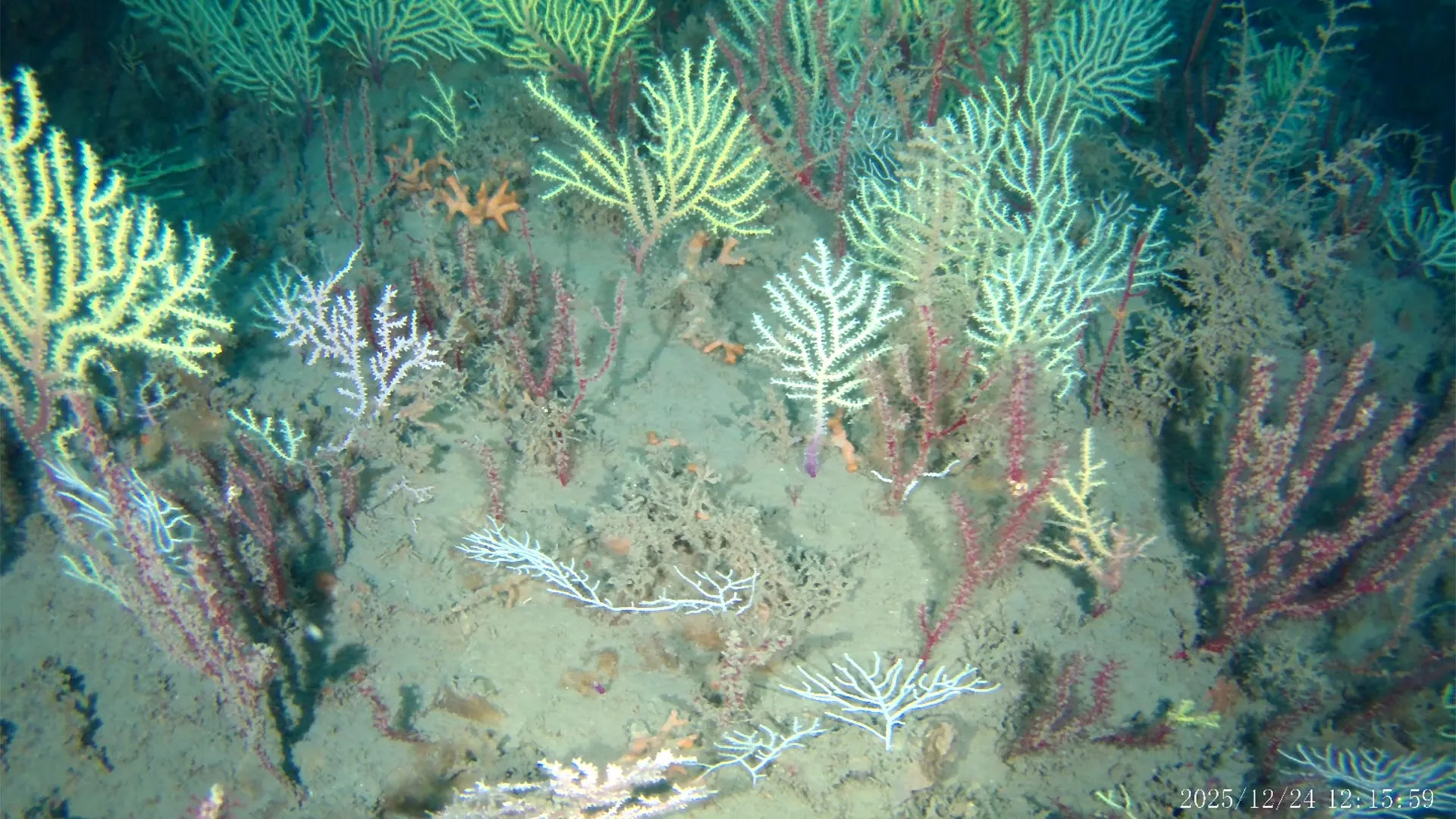
Newly Discovered Coral Reef Off the Coast of Benin
Recent findings off the coast of Benin have revealed a coral reef previously thought to be dead, showcasing a thriving ecosystem. Historical surveys from the 1960s indicated the reef was likely lifeless, but modern-day investigations have provided a different narrative.
Modern Exploration Techniques
Utilizing advanced sonar technology and the Deep Sea Camera System from the National Geographic Exploration Technology Lab, scientists embarked on a challenging field campaign. Gérard Zinzindohoué from the Institut de Recherches Halieutiques et Océanologiques du Bénin noted the difficulties they faced, from long days at sea to uncertainties about their findings. However, sonar signals indicated potential reef structures, igniting hope among researchers.
Unveiling the Underwater Landscape
With an underwater drone, the team captured images of the seafloor, revealing a vibrant coral community. Initial surveys indicated the reef was over 50 meters deep, possibly consisting of a mesophotic coral ecosystem, characterized by scattered coral patches rather than a continuous barrier.
Biodiversity Observations
The research uncovered eight coral species and multiple fish, including African snappers and angelfish, which utilize the reef for shelter and sustenance. This discovery marks the first confirmed record of a living mesophotic coral ecosystem along the Gulf of Guinea continental shelf.
Future Research Opportunities
While initial findings are promising, researchers caution that this is merely a preliminary exploration. The potential extent of the reef system may reach up to 40 kilometers along the coast, emphasizing the need for thorough scientific diving and sampling to confirm species identification and better understand the ecosystem.
Zinzindohoué highlights the importance of further exploration in West Africa, stating that many coral systems likely remain undocumented or forgotten, igniting curiosity about the oceanic history in the region. Each additional discovery could shed light on the ecological transformations that have occurred over time.


