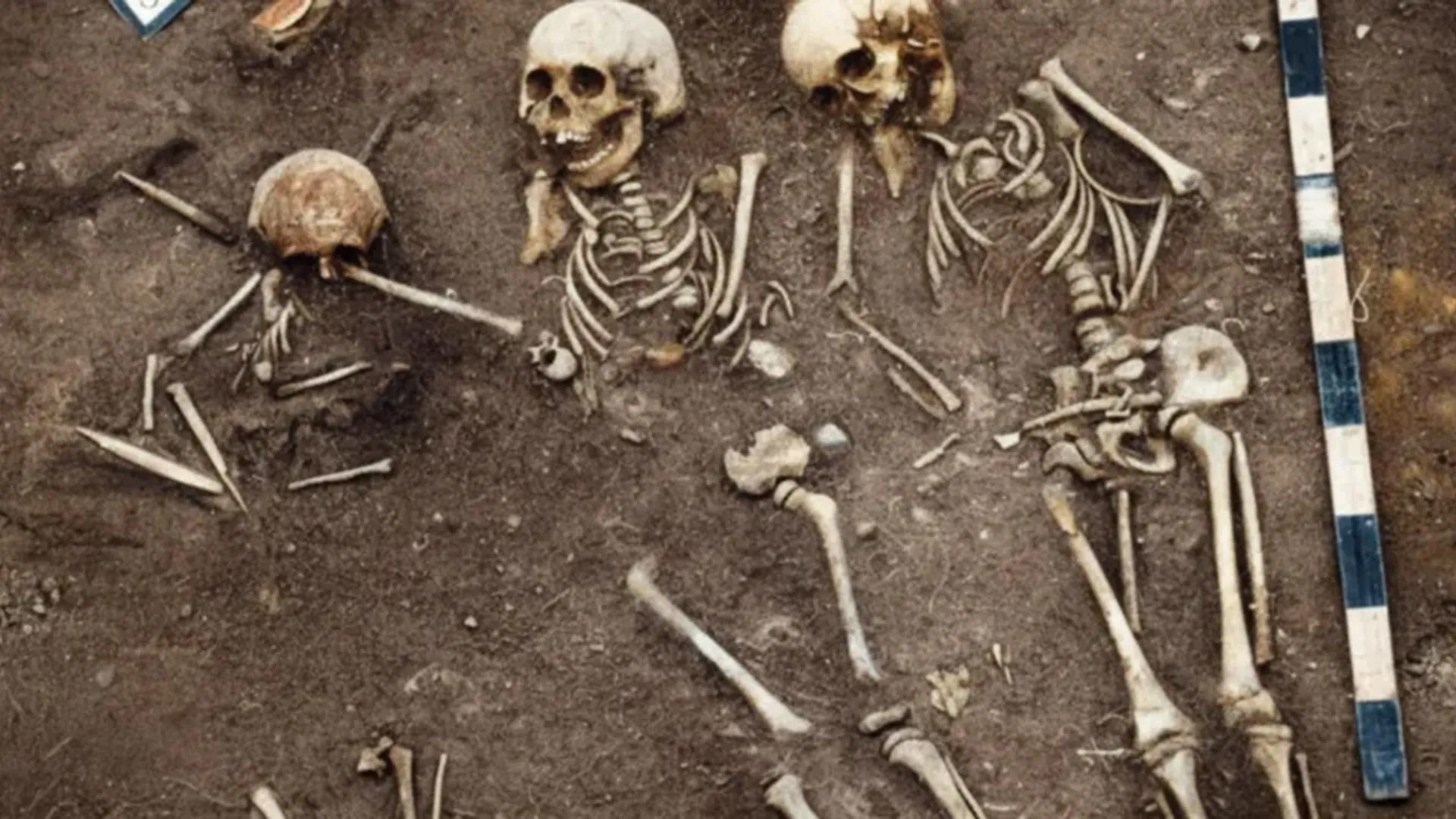
The research published in Nature reveals that plague was a significant threat over 5,500 years ago, affecting small hunter-gatherer groups long before urbanity created conditions for widespread outbreaks. A team analyzed ancient DNA from burial sites in East Siberia, identifying the bacterium Yersinia pestis in nearly 40% of the individuals tested, surpassing detection rates found in medieval cemeteries.
Despite earlier beliefs that ancient strains were less virulent due to missing genetic features allowing flea transmission, findings suggest these early plague strains were lethal. The unusually high number of child and teenage deaths in the burial sites had puzzled archaeologists until this study linked the deaths to plague outbreaks.
Radiocarbon dating indicated the deaths occurred in rapid succession, often involving family members. Importantly, the ancient strains contained a unique superantigen leading to heightened immune responses, which could explain the severity of the outbreaks. This suggests that the earliest plague outbreaks may have been as deadly as those in later periods.
Additionally, the study supports the hypothesis that plague may have originated in Central or Northeast Asia and spread through contact with wild rodents, like marmots, which continue to carry the disease today. Thus, plague was effectively causing deadly outbreaks thousands of years before urbanization intensified its spread.


